

Description
Dolce and Gabbana Designers: The Italian Fashion Partnership That Redefined Luxury
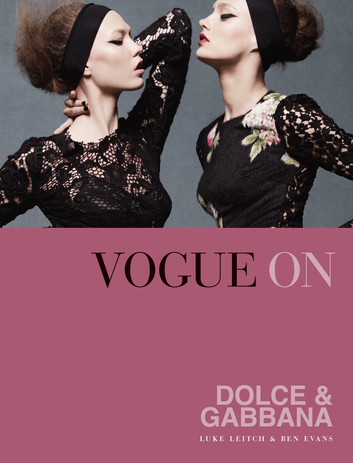
Dolce and Gabbana designers represent fashion’s most successful creative partnership in modern history. Luke Leitch’s “Vogue on: Dolce & Gabbana” chronicles Domenico Dolce and Stefano Gabbana’s extraordinary journey. Moreover, this compact guide explores how two Milan-based designers transformed global luxury fashion.
The book belongs to the prestigious Vogue on Designers series celebrating iconic fashion houses. Furthermore, it reveals how Mediterranean tradition merged with contemporary design innovation brilliantly. Their story demonstrates that authentic cultural storytelling can create enduring commercial success.
Domenico Dolce and Stefano Gabbana met in 1980 at Giorgio Correggiari fashion house. Gabbana mentored the young Sicilian designer, teaching him business operations and sketching techniques. However, both men dreamed of creating something entirely their own beyond their employer. In 1983, they made the bold decision to launch an independent design partnership. Therefore, they established a creative collaboration that would revolutionize Italian fashion forever.
Their first women’s collection debuted at Milan Fashion Week in 1985 remarkably. The New Talents section provided emerging designers with crucial industry exposure and recognition. Yet, few could have predicted the global empire these two designers would build. Their designs immediately captured attention with bold sensuality and Mediterranean cultural references. In addition, they brought fresh energy to Milan’s established fashion scene dramatically.
From Sicilian Roots to Global Empire: Dolce and Gabbana Designers’ Rise
Dolce and Gabbana designers built their aesthetic foundation on authentic Italian cultural heritage. Domenico Dolce’s Sicilian background profoundly influenced every collection they created together consistently. His childhood memories of Sicily’s vibrant colors, textures, and traditions became design inspiration. Moreover, the island’s baroque architecture, religious imagery, and folk costumes appeared repeatedly. Gabbana’s Milanese sophistication balanced Dolce’s passionate Mediterranean sensibility perfectly and harmoniously.
The designers refused to follow Paris or New York fashion trends slavishly. Instead, they celebrated Italy’s rich cultural legacy through contemporary luxury design boldly. Furthermore, they positioned themselves as cultural storytellers rather than mere fashion creators. This authentic approach resonated with customers seeking meaningful connections to their clothing. Therefore, their designs offered more than beautiful garments—they provided cultural experiences.
Their early collections featured corsetry, lace, and tailoring inspired by Italian cinema classics. They referenced Sophia Loren, Anna Magnani, and other iconic Italian actresses frequently. In addition, they drew inspiration from Sicily’s traditional festivals and religious processions. Black lace, red roses, and gold embellishments became signature elements immediately recognizable.
The 1990s brought revolutionary changes to menswear through their innovative masculine aesthetic. Dolce and Gabbana designers challenged conventional ideas about how men should dress. They introduced fitted suits, open shirts, and sensual fabrics traditionally reserved for women. Moreover, they celebrated masculine beauty and sexuality in unprecedented ways for mainstream fashion. Their menswear collections featured models with Mediterranean looks rather than Nordic types.
This bold approach initially sparked controversy among conservative fashion critics and industry observers. However, younger consumers embraced their vision of modern masculinity enthusiastically and immediately. Furthermore, celebrities and musicians adopted their distinctive style, providing invaluable cultural endorsement. The designers proved that menswear could be as expressive and sensual as women’s fashion.
Signature Style Elements and Iconic Dolce and Gabbana Designers Collections
The design duo developed a distinctive visual language that became instantly recognizable worldwide. Their aesthetic combined seemingly contradictory elements: tradition and modernity, sensuality and sophistication, opulence and simplicity. Moreover, they mastered the art of making luxury feel accessible and desirable. Their collections celebrated femininity and masculinity without apology or restraint throughout their career.
Key design innovations and signature style elements that define their work include:
- Sicilian-inspired prints: Lemons, tomatoes, majolica tiles, and Mediterranean botanical motifs
- Corsetry and structured tailoring: Emphasizing the body’s natural curves and silhouette
- Black lace and religious imagery: Incorporating Catholic iconography, crosses, and sacred hearts
- Animal prints: Leopard, zebra, and other bold patterns used luxuriously and dramatically
- Gold embellishments: Baroque-inspired metalwork, coins, and ornate decorative details
- Transparent fabrics: Sheer materials revealing skin in sophisticated, sensual ways
- Red and black color palette: Dramatic contrasts reflecting Italian passion and elegance
- Family-themed collections: Celebrating mothers, children, and Italian domestic life
Their Alta Moda and Alta Sartoria collections represent the pinnacle of Italian craftsmanship. These haute couture presentations showcase traditional artisan techniques passed through generations carefully. Furthermore, they stage these exclusive shows in spectacular Italian locations annually and consistently. Venues have included Capri, Sicily, Venice, and other culturally significant Italian destinations.
The Alta Moda events celebrate Italian culture through fashion, music, and architectural heritage. Moreover, they attract international clients willing to invest in one-of-a-kind couture pieces. These collections demonstrate the designers’ commitment to preserving traditional Italian craftsmanship methods. In addition, they prove that handmade luxury remains relevant in contemporary fashion.
Their ready-to-wear collections made Italian luxury accessible to broader audiences successfully. They maintained high quality while expanding production to meet growing global demand. Therefore, they built a business model balancing exclusivity with commercial viability brilliantly. This approach allowed them to compete with established French luxury houses effectively.
Building a Comprehensive Luxury Lifestyle Brand Beyond Fashion
Dolce and Gabbana designers expanded far beyond clothing into a complete luxury lifestyle empire. They recognized early that their aesthetic could translate across multiple product categories. Moreover, they maintained creative control over every brand extension, ensuring consistent quality. This comprehensive approach distinguished them from designers who merely licensed their names.
Dolce & Gabbana Beauty launched as a dedicated subsidiary, making fashion history significantly. They became the first Italian fashion brand to manage beauty operations directly. Furthermore, this decision gave them complete creative control over fragrances and cosmetics. Their perfumes became bestsellers, with scents like Light Blue achieving iconic status.
The beauty line reflects their fashion aesthetic through packaging, advertising, and product development. Moreover, they feature the same Mediterranean imagery and sensual themes consistently throughout. Their makeup collections emphasize Italian beauty ideals: bold lips, dramatic eyes, and glowing skin. In addition, they collaborate with top makeup artists and photographers regularly.
In 2011, they launched their first fine jewelry collection featuring eighty exquisite pieces. The collection included necklaces, charm bracelets, and bejeweled rosaries with religious themes. Furthermore, subsequent jewelry collections celebrated history, culture, and masterful Italian craftsmanship beautifully. These pieces incorporated the same baroque influences and ornate details as their clothing.
Their expansion into home goods and small appliances surprised many fashion industry observers. However, it demonstrated their commitment to creating a complete lifestyle brand authentically. Moreover, they partnered with SMEG to create designer kitchen appliances featuring Sicilian motifs. These products brought their aesthetic into customers’ homes in unexpected, delightful ways.
The designers maintained that every product category must reflect authentic Italian cultural values. Therefore, they refused to dilute their vision for commercial expediency or market trends. This consistency built extraordinary brand loyalty among customers worldwide seeking genuine luxury. Furthermore, it proved that cultural authenticity could drive commercial success sustainably.
Digital Innovation and Contemporary Relevance for Modern Luxury
The COVID-19 pandemic forced Dolce and Gabbana designers to embrace digital technology rapidly. They presented Alta Moda collections online in July 2020, adapting to unprecedented circumstances. Moreover, they discovered new possibilities for reaching global audiences through digital platforms. This experience transformed their perspective on technology’s role in luxury fashion permanently.
In 2021, they announced an exclusive NFT collection in collaboration with UNXD. This digital marketplace specializes in luxury and culture within the blockchain ecosystem. Furthermore, the NFT collection demonstrated their willingness to explore emerging technologies courageously. They recognized that younger luxury consumers increasingly value digital ownership and experiences.
The designers view digital innovation as complementary to traditional craftsmanship rather than threatening. Moreover, they believe technology can enhance storytelling and customer engagement when used thoughtfully. Their social media presence showcases behind-the-scenes content, artisan techniques, and cultural inspiration. In addition, they engage directly with followers, building community around their brand.
Despite embracing digital tools, they remain committed to physical fashion shows and experiences. They understand that luxury requires tangible, sensory experiences that digital cannot fully replicate. However, they use technology to extend their reach beyond traditional fashion capitals. Therefore, they balance innovation with preservation of traditional luxury values successfully.
Luke Leitch’s book captures this evolution from emerging designers to digital-age luxury leaders. Moreover, it provides context for understanding their enduring relevance in contemporary fashion. The Vogue on Designers series offers authoritative, accessible guides to fashion’s most influential figures. Furthermore, Leitch’s expertise as a fashion journalist brings insider perspective and critical analysis.
The book includes stunning photography documenting their most iconic collections and moments. Moreover, it features insights into their creative process and design philosophy throughout. Readers gain understanding of how cultural heritage informs contemporary luxury design effectively. In addition, the compact format makes it perfect for fashion enthusiasts and students.
Conclusion: The Enduring Legacy of Dolce and Gabbana Designers
Dolce and Gabbana designers transformed Italian fashion through unwavering commitment to cultural authenticity. Their partnership demonstrates that creative collaboration can produce extraordinary, sustained commercial success. Moreover, they proved that regional cultural identity could resonate globally when expressed authentically. Their journey from emerging Milan designers to billion-dollar luxury empire inspires countless creatives.
Their influence extends beyond fashion into broader cultural conversations about heritage and identity. They championed Italian craftsmanship when globalization threatened traditional artisan techniques and skills. Furthermore, they created employment for skilled artisans throughout Italy, preserving endangered crafts. Their success demonstrates that luxury consumers value authentic cultural storytelling and meaningful design.
The designers’ ability to evolve while maintaining core values explains their enduring relevance. They embraced digital innovation without abandoning traditional craftsmanship or aesthetic principles consistently. Moreover, they expanded into new product categories while maintaining rigorous quality standards. This balance between innovation and tradition defines truly successful luxury brands.
Luke Leitch’s “Vogue on: Dolce & Gabbana” provides essential understanding of their contributions. The book contextualizes their work within broader fashion history and contemporary luxury culture. Furthermore, it offers accessible entry point for readers discovering their designs for the first time. The Vogue on Designers series continues documenting fashion’s most influential creative voices.
Their story reminds us that fashion can be both commercially successful and culturally meaningful. Moreover, it demonstrates that authentic partnerships based on shared vision create lasting impact. The legacy of Domenico Dolce and Stefano Gabbana will influence fashion for generations. Therefore, understanding their journey enriches appreciation for contemporary luxury design and Italian cultural heritage.






Reviews
There are no reviews yet.