

Description
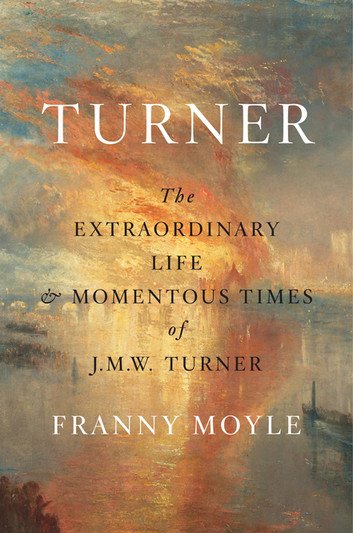
Turner: The Extraordinary Life and Momentous Times of J.M.W. Turner – A Biography of England’s Greatest Landscape Painter
J.M.W. Turner stands as one of history’s most revolutionary and influential painters. Moreover, his extraordinary life story reveals a complex genius who transformed landscape art forever. Franny Moyle’s comprehensive biography explores Turner’s remarkable journey from humble beginnings to artistic immortality.
Furthermore, this painter’s innovative techniques and visionary approach changed how artists perceive light and color. Because Turner pushed boundaries relentlessly, he became Britain’s most celebrated landscape painter. Therefore, understanding his life illuminates the birth of modern art itself.
The Rise of a Revolutionary Painter
Joseph Mallord William Turner was born in 1775 in London’s Covent Garden district. Moreover, his father worked as a barber while his mother struggled with mental illness. Despite these challenging circumstances, young Turner showed exceptional artistic talent early. Furthermore, he entered the Royal Academy Schools at just fourteen years old. Because his abilities impressed everyone, he quickly gained recognition and patronage.
Turner’s early career demonstrated both ambition and remarkable skill as a painter. Additionally, he exhibited his first watercolor at the Royal Academy when only fifteen. His dedication to mastering his craft set him apart from contemporaries. Moreover, he studied old masters while developing his unique artistic vision. Therefore, Turner combined classical training with bold experimentation throughout his career.
By his mid-twenties, Turner had already achieved significant success and financial stability. Furthermore, he became the youngest artist ever elected to the Royal Academy. Because he worked tirelessly, his output remained prolific throughout his lifetime. Additionally, he traveled extensively across Britain and Europe seeking inspiration. Consequently, these journeys profoundly influenced his artistic development and subject matter.
Turner’s Artistic Innovation and Masterpieces
Turner revolutionized landscape painting through his groundbreaking approach to light, atmosphere, and color. Moreover, he moved beyond traditional representation toward emotional and impressionistic expression. Because he experimented fearlessly, critics often found his work controversial and challenging. Furthermore, his later paintings became increasingly abstract and luminous. Therefore, Turner anticipated Impressionism by several decades.
His most celebrated masterpieces showcase his extraordinary technical abilities and visionary imagination. Additionally, works like “The Fighting Temeraire” and “Rain, Steam and Speed” demonstrate his genius. These paintings capture movement, light, and atmosphere with unprecedented power. Moreover, Turner’s seascapes and storms reveal nature’s sublime force and beauty. Because he observed natural phenomena intensely, his work achieves remarkable authenticity.
Turner’s innovative techniques included unusual pigment applications and experimental methods. Furthermore, he often applied paint with his fingers, rags, and unconventional tools. His studio practices shocked traditionalists but produced stunning visual effects. Additionally, he layered translucent glazes to create luminous, atmospheric depth. Consequently, his paintings seem to glow with inner light and energy.
The Complex Personal Life Behind the Painter
Franny Moyle’s biography reveals the complicated personal dimensions of Turner’s extraordinary life. Moreover, the painter maintained intense privacy about his relationships and domestic arrangements. Because he never married, Turner’s romantic life remained largely hidden from public view. Furthermore, he fathered two daughters with his housekeeper, Sarah Danby. Additionally, he later formed a long-term relationship with Sophia Booth.
Turner’s personality combined fierce ambition with surprising generosity and deep insecurities. Moreover, he could be difficult, secretive, and socially awkward in company. However, he also showed kindness to struggling artists and supported the Royal Academy. Furthermore, his devotion to his craft bordered on obsession throughout his life. Because painting consumed him completely, personal relationships often suffered.
The painter’s later years brought both triumph and physical decline. Additionally, his work became more experimental and abstract, puzzling many contemporaries. Critics sometimes dismissed his late masterpieces as unfinished or incomprehensible. However, Turner continued working with undiminished passion until his death. Moreover, he died in 1851, leaving behind an unparalleled artistic legacy.
Turner’s Lasting Impact on Art History
Turner’s influence on subsequent generations of artists cannot be overstated. Moreover, the Impressionists, particularly Claude Monet, acknowledged their debt to this visionary painter. Because Turner liberated color and light from strict representation, he opened new possibilities. Furthermore, his work inspired countless landscape painters and modern artists. Therefore, his legacy extends far beyond his own era.
Key aspects of Turner’s enduring influence include:
- Revolutionary use of light and color: He transformed how artists depict atmospheric effects and luminosity
- Anticipation of Impressionism: His loose brushwork and emphasis on perception preceded the movement by decades
- Elevation of landscape painting: He proved landscapes could convey profound emotion and philosophical depth
- Technical innovation: His experimental methods expanded artistic possibilities for future generations
- Romantic vision: He captured nature’s sublime power and humanity’s relationship with the environment
- Prolific output: Over 550 oil paintings and thousands of watercolors demonstrate his dedication
Modern art historians recognize Turner as a pivotal figure bridging classical and modern traditions. Additionally, his work commands record prices at auctions worldwide. Museums dedicate entire galleries to his paintings and watercolors. Moreover, the prestigious Turner Prize honors his legacy by celebrating contemporary British artists. Because his vision remains relevant, new generations continue discovering his genius.
Franny Moyle’s Biographical Approach
Franny Moyle brings meticulous research and engaging narrative skill to this comprehensive biography. Moreover, she draws on extensive archival materials, letters, and contemporary accounts. Because she contextualizes Turner within his historical moment, readers understand his world completely. Furthermore, Moyle explores the social, political, and cultural forces shaping his career.
The biography examines how Turner navigated Britain’s transformation during the Industrial Revolution. Additionally, Moyle shows how wars, technological changes, and social upheaval influenced his art. She reveals the painter’s business acumen and strategic career management. Moreover, the book illuminates Turner’s relationships with patrons, critics, and fellow artists. Therefore, readers gain insight into both the man and his times.
Moyle’s writing makes Turner’s story accessible while respecting its complexity and depth. Furthermore, she balances artistic analysis with human drama and historical context. Because she writes with clarity and passion, the biography appeals to specialists and general readers alike. Additionally, her portrait reveals Turner’s contradictions without diminishing his achievements. Consequently, this biography stands as the definitive account of the painter’s extraordinary life.
Why Turner’s Story Matters Today
Turner’s life demonstrates how artistic vision can transcend limitations and transform culture. Moreover, his journey from modest origins to international acclaim inspires contemporary artists. Because he remained true to his vision despite criticism, his example encourages creative courage. Furthermore, his work reminds us that innovation often faces initial resistance.
The painter’s relationship with nature speaks powerfully to our current environmental moment. Additionally, his sublime landscapes celebrate the natural world’s beauty and power. Turner witnessed industrialization’s early impact on Britain’s countryside and coastlines. Moreover, his paintings preserve vanishing landscapes while questioning progress’s costs. Therefore, his work resonates with contemporary ecological concerns.
Franny Moyle’s biography reveals why Turner remains relevant and fascinating centuries after his death. Furthermore, understanding this revolutionary painter enriches our appreciation of art history’s development. Because Turner’s influence continues shaping visual culture, his story deserves wide readership. Additionally, his life exemplifies dedication, innovation, and artistic integrity. Consequently, “Turner: The Extraordinary Life and Momentous Times of J.M.W. Turner” offers both inspiration and illumination for modern audiences seeking to understand genius.





Reviews
There are no reviews yet.