

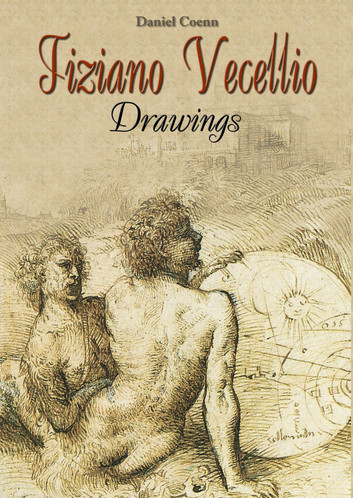
Description
Titian Drawings: Exploring Tiziano Vecellio’s Masterful Sketches
Titian, born Tiziano Vecellio, stands as one of the greatest masters of the Venetian Renaissance. Moreover, Titian revolutionized painting through his innovative use of color and dramatic compositions. Throughout his long career, Titian created works that influenced generations of artists.
His drawings, however, reveal an intimate glimpse into his creative process. Furthermore, these sketches showcase a different dimension of Titian’s artistic genius. Therefore, studying his drawings provides essential insights into Renaissance art-making techniques.
Titian’s Drawing Techniques and Artistic Methods
Titian employed various drawing materials throughout his prolific career. He primarily worked with chalk, charcoal, and occasionally pen and ink. His drawing style differed markedly from his finished paintings. Additionally, his sketches displayed a loose, expressive quality that captured movement and emotion. Consequently, these preliminary studies reveal his spontaneous creative thinking. The master often used drawings to explore compositional arrangements before painting.
His technique emphasized bold, gestural marks rather than precise detail. Furthermore, Titian’s drawings show confident, sweeping lines that define form quickly. He rarely created highly finished preparatory drawings like some contemporaries. Instead, his sketches served as visual notes and experimental explorations. Moreover, this approach allowed him greater freedom in developing his painted compositions.
The Subjects and Themes in Titian’s Drawings
Religious themes dominated much of Titian’s drawn work throughout his career. He created numerous studies for altarpieces and devotional paintings. Additionally, mythological scenes provided rich subject matter for his exploratory sketches. These drawings often depicted gods, goddesses, and classical narratives. Furthermore, portrait studies allowed him to capture the essence of his subjects.
Figure studies represent a significant portion of his surviving drawings. He carefully observed human anatomy and movement in these works. Moreover, his figure drawings demonstrate his understanding of weight, balance, and gesture. Consequently, these studies informed the dynamic poses in his paintings. The drawings also include landscape elements and architectural details. Therefore, they provide comprehensive documentation of his artistic interests and working methods.
Titian’s Influence on Renaissance Art and the Venetian School
Titian’s impact on Renaissance art cannot be overstated in historical terms. He established Venice as a major artistic center rivaling Florence and Rome. Furthermore, his innovative techniques influenced countless artists across Europe. The Venetian school developed a distinctive approach emphasizing color over line. Additionally, Titian’s dramatic compositions inspired Baroque masters like Rubens and Velázquez.
His drawings particularly influenced how artists approached preliminary studies and sketching. Moreover, his loose, expressive style encouraged greater freedom in artistic exploration. Consequently, later artists adopted similar methods for capturing ideas quickly. His legacy extends beyond painting into fundamental drawing practices. Therefore, understanding his sketches enriches our appreciation of Renaissance artistic development.
Key Characteristics of Titian’s Drawing Style
The distinctive features of his drawing technique include several notable elements:
- Bold, gestural lines that capture movement and energy
- Minimal detail focusing on essential forms and compositions
- Expressive use of light and shadow through tonal variations
- Dynamic figure poses demonstrating anatomical understanding
- Spontaneous quality revealing his creative thought process
- Integration of multiple studies on single sheets
- Emphasis on capturing emotion and psychological depth
The Value of This My Pocket Gallery Collection
This e-book from the My Pocket Gallery series offers exceptional access to rare works. “Titian: Drawings” by Daniel Coenn presents a curated selection of important sketches. Moreover, the collection allows art enthusiasts to study these masterworks conveniently. Digital access democratizes appreciation of Renaissance art for contemporary audiences. Furthermore, the portable format enables study anywhere, anytime.
The book provides valuable insights into the master’s creative process and techniques. Additionally, it reveals the foundation underlying his celebrated painted masterpieces. Consequently, readers gain deeper understanding of Renaissance artistic practices. The collection serves both casual art lovers and serious students equally well.
Therefore, this e-book represents an essential resource for anyone interested in Venetian Renaissance art. Moreover, it celebrates the enduring legacy of one of history’s greatest artists. His drawings continue inspiring and educating audiences centuries after their creation.






Reviews
There are no reviews yet.