

Description
The White Road by Edmund de Waal: A Journey Through Porcelain, Obsession, and the Quest for White Gold
Introduction: Edmund de Waal’s Lifelong Obsession with Porcelain
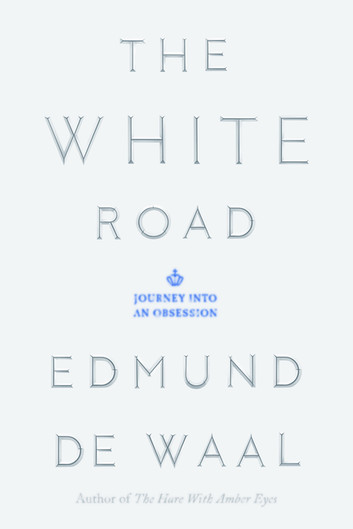
The White Road: Journey into an Obsession by Edmund de Waal explores his lifelong fascination with porcelain. As a renowned ceramicist and potter, de Waal recounts his connection to “white gold.” He blends memoir, history, and detective story into a compelling narrative, so readers discover both his personal journey and the global history of porcelain.
Edmund de Waal has spent decades creating porcelain in his London studio. His work reflects a deep dedication to understanding this material. In his view, porcelain is more than clay—it embodies purity and perfection. As a result, The White Road becomes a spiritual pilgrimage exploring the nature of whiteness.
This intimate narrative history guides readers across continents and centuries of craft. De Waal visits the “white hills,” porcelain’s birthplace, and reveals how artisans envisioned, fired, and refined the material. The book weaves personal reflection with thorough historical investigation.
The journey begins in de Waal’s studio but extends to China, Germany, England, and America. Each location is crucial to porcelain’s development and cultural significance. Furthermore, these travels reveal how the obsession with porcelain shaped economies and empires. Thus, The White Road connects personal passion to sweeping historical forces.
The Five Journeys: Tracing Porcelain’s Global History
In The White Road, de Waal structures his narrative around five distinct journeys through porcelain landscapes. These travels take him to sites where porcelain was created, collected, and treasured, with each journey highlighting different facets of humanity’s obsession with this material. As a result, readers experience porcelain’s history through a range of cultural and geographical perspectives.
The first journey takes de Waal to China, where porcelain originated centuries ago. Chinese artisans were the first to discover how to create this hard, fireproof ceramic material. Furthermore, they guarded their secrets jealously for generations, creating mystique and desire. Therefore, China represents the birthplace of both porcelain and its global obsession.
Germany’s Meissen factory forms the second crucial stop in de Waal’s pilgrimage. European alchemists spent years trying to recreate the magical properties of Chinese porcelain. Additionally, they sought to transform base materials into “white gold” through experimentation. Thus, the German journey explores themes of alchemy, science, and artistic ambition.
England’s contribution to porcelain history receives detailed examination in The White Road. British potters developed their own techniques and styles over centuries of practice. England became a major center for porcelain production and innovation. De Waal traces how British culture shaped and was shaped by porcelain.
The American journey completes de Waal’s exploration of porcelain’s global reach and influence. He examines how porcelain crossed the Atlantic and found new meanings. American collectors and artists developed unique relationships with this ancient material. The book demonstrates porcelain’s continuing relevance in contemporary culture.
Understanding Porcelain: The Material and Its Magic
Porcelain stands apart from other ceramics through its unique physical and aesthetic properties. This material creates hard, fireproof, waterproof, and bacteria-resistant objects of remarkable beauty. Moreover, porcelain achieves a whiteness that no other ceramic material can match. Consequently, artisans and collectors have prized it for over a thousand years.
Creating porcelain demands specific clays, precise temperatures, and exceptional skill. Success requires artisans to understand chemistry, physics, and art equally well. The firing process, in turn, transforms raw materials into pieces that seem almost magical in their appearance, blending science and art throughout history.
Edmund de Waal explains how porcelain reflects light, captivating viewers. The material’s translucency and whiteness create effects impossible with other ceramics. Furthermore, skilled potters can make porcelain both incredibly thin and remarkably strong at the same time. Thus, porcelain represents the pinnacle of ceramic achievement and technical mastery.
The obsession with whiteness forms a central theme in The White Road. De Waal asks repeatedly: “What is this thing of whiteness?” He explores how different cultures have understood and valued porcelain’s pure color. The book becomes a meditation on purity, perfection, and aesthetic ideals.
Part Memoir: De Waal’s Personal Connection to His Craft
The White Road offers intimate glimpses into Edmund de Waal’s life as a working potter. He shares decades of experience creating porcelain objects in his London studio. He reveals the physical and emotional demands of working with this material. Readers understand porcelain through the hands and heart of a master craftsman.
De Waal’s personal obsession with porcelain began early and has never diminished. He describes the tactile pleasure of working with clay and the anticipation of firing. Moreover, he explains how each piece teaches him something new about the material. Consequently, his memoir sections ground the historical narrative in lived experience.
The book explores how making porcelain has shaped de Waal’s understanding of beauty. He reflects on the relationship between simplicity and sophistication in ceramic art. He considers how repetition and variation create meaning in his work. The White Road illuminates the philosophical dimensions of craft and creation.
De Waal’s writing conveys the spiritual aspects of working with porcelain over the course of decades. He describes moments of transcendence when material, maker, and meaning align perfectly. Furthermore, he acknowledges the frustrations and failures that accompany any artistic practice. Thus, the memoir portions offer honest, nuanced perspectives on the creative life.
Part History: Porcelain’s Role in Global Culture and Commerce
The White Road chronicles how porcelain shaped trade, politics, and culture through the centuries. Porcelain drove exploration, inspired espionage, and generated great wealth. The quest to create porcelain influenced scientific and artistic innovation. De Waal reveals porcelain as a force that changed history.
Chinese porcelain became one of the most valuable commodities in world trade. European aristocrats paid fortunes for Chinese bowls, vases, and plates. The inability to recreate porcelain frustrated European craftsmen for generations. Porcelain represented both artistic achievement and economic power for China.
The eventual European discovery of the secrets of porcelain-making transformed the continent’s economy and culture. German alchemists finally cracked the code in the early eighteenth century. Additionally, this breakthrough led to the establishment of major porcelain factories across Europe. Thus, porcelain production became a source of national pride and commercial success.
Edmund de Waal explores how the collecting of porcelain became an obsession among the wealthy. Monarchs, merchants, and aristocrats filled palaces with porcelain treasures from around the world. Moreover, the display of porcelain signaled taste, wealth, and cultural sophistication. Consequently, porcelain shaped interior design and social customs for centuries across cultures.
Part Detective Story: Uncovering Porcelain’s Secrets and Stories
The White Road unfolds as a detective story with Edmund de Waal investigating porcelain’s mysteries. He searches archives, visits museums, and interviews experts to uncover hidden histories. He traces the movements of objects across continents and centuries. The book combines research with the excitement of historical investigation.
De Waal uncovers stories of artisans who created porcelain under difficult conditions. Many potters worked in secrecy, protecting valuable techniques from competitors and spies. Some faced exploitation while others achieved fame and fortune. The human stories behind porcelain add depth to the material history.
The book reveals how industrial espionage played a crucial role in the spread of porcelain. Spies stole secrets, artisans defected, and governments fiercely guarded their knowledge of porcelain-making. Moreover, these stories of intrigue demonstrate how valuable porcelain knowledge was considered. Consequently, readers discover a world of competition, secrecy, and international rivalry.
Edmund de Waal investigates how porcelain objects traveled and changed hands over time. He traces pieces from creation through many owners to their current locations. These object biographies reveal changing tastes and cultural meanings across eras. Individual porcelain pieces become windows into broader historical changes and movements.
Themes: Alchemy, Art, Wealth, Craft, and Purity
The White Road explores the theme of alchemy as both a literal and a metaphorical pursuit. Early porcelain-makers saw themselves as alchemists transforming base clay into precious material. Moreover, the quest to create porcelain involved genuine scientific experimentation and discovery. Consequently, de Waal connects porcelain-making to humanity’s broader desire to transform and transcend.
The relationship between art and craft forms another central theme throughout the book. Edmund de Waal examines how porcelain occupies a unique position between functional object and artwork. Furthermore, he considers how different cultures have valued porcelain’s aesthetic qualities versus its practical ones. Therefore, the book raises important questions about how we define and value art.
Wealth and economic power emerge as recurring themes in the global history of porcelain. The material generated enormous profits for those who controlled its production and trade. Additionally, ownership of porcelain became a marker of social status and financial success. Thus, The White Road reveals how material objects reflect and reinforce economic hierarchies.
The concept of purity—both physical and symbolic—runs throughout Edmund de Waal’s narrative. Porcelain’s whiteness has represented purity, perfection, and transcendence across cultures and centuries. Moreover, the material’s resistance to staining and decay reinforces these symbolic associations. Consequently, porcelain becomes a vehicle for exploring human ideals and aspirations.
Key Elements That Make The White Road Essential Reading
This book stands out through several distinctive features that define its unique appeal:
- Multi-Genre Approach: Seamlessly blends memoir, history, and detective story into a cohesive narrative
- Global Perspective: Travels across China, Germany, England, and America, tracing porcelain’s journey
- Expert Authority: Written by a renowned ceramicist with decades of hands-on porcelain experience
- Beautiful Prose: Elegant, spiritual writing that matches the beauty of its subject
- Historical Depth: Covers centuries of porcelain history with scholarly rigor and accessibility
- Personal Intimacy: Shares de Waal’s own struggles, triumphs, and obsessions with the material
- Cultural Analysis: Explores how porcelain shaped art, commerce, politics, and social customs
- Philosophical Inquiry: Meditates on whiteness, purity, beauty, and the nature of obsession
These elements combine to create a reading experience that educates, inspires, and moves. Furthermore, the book appeals to diverse audiences, from artists to historians. Therefore, The White Road successfully transcends typical art-historical or memoir categories.
The Spiritual Dimension: Pilgrimage and Meditation
Edmund de Waal frames The White Road explicitly as a pilgrimage rather than tourism. He approaches each site with reverence and seeks a deeper understanding beyond facts. Moreover, the journey becomes a way to connect with centuries of artisans and seekers. Consequently, the book takes on spiritual dimensions that elevate it beyond conventional travel narrative.
The meditation on whiteness itself becomes a form of spiritual inquiry throughout the book. De Waal repeatedly asks what whiteness means, represents, and evokes in human consciousness. Furthermore, he explores how different traditions have understood porcelain’s pure color philosophically. Therefore, the book engages with aesthetic and spiritual questions about purity and perfection.
The act of making porcelain serves as a meditative practice in de Waal’s life. He describes the focus, patience, and presence required to work with this material. Additionally, he reflects on how repetitive craft work creates space for contemplation. Thus, The White Road connects manual labor with spiritual practice and personal growth.
De Waal’s pilgrimage ultimately seeks to deepen his understanding of his own obsession with porcelain. He examines why this material has captivated him for decades of creative work. Moreover, he considers what porcelain reveals about human desires for beauty and transcendence. Consequently, the book becomes a journey of self-discovery as much as historical exploration.
Who Should Read The White Road by Edmund de Waal?
This book appeals to diverse readers seeking beauty, knowledge, and inspiration through literature:
- Ceramicists and Potters: Artists working with clay who want a deeper understanding of porcelain
- Art Historians: Scholars interested in decorative arts, material culture, and global art history
- Museum Professionals: Curators and educators working with ceramic collections and exhibitions
- Travel Writers: Those who appreciate literary journeys that combine place with personal reflection
- Memoir Readers: People drawn to intimate, reflective writing about creative lives and obsessions
- History Enthusiasts: Readers fascinated by how objects shape culture, commerce, and politics
- Philosophy Students: Those interested in aesthetics, beauty, and the meaning of material objects
- Collectors: Anyone who collects porcelain or wants to understand collecting’s psychological dimensions
The book’s accessible prose makes it perfect for general readers without specialized knowledge. Furthermore, experts will appreciate the depth of research and nuanced understanding throughout. Therefore, The White Road works for both newcomers and those already familiar with porcelain.
Edmund de Waal’s previous bestseller, The Hare with Amber Eyes, successfully attracted a wide audience. However, The White Road offers something different—more focused, more meditative, more personal. Moreover, it demonstrates de Waal’s growth as both writer and thinker since that earlier work. Consequently, fans of his previous writing will find new depths here.
The Writing: Elegant Prose That Matches Its Subject
Edmund de Waal writes with elegance and precision that mirrors porcelain’s own aesthetic qualities. His sentences flow smoothly while maintaining clarity and purpose throughout the narrative. Moreover, he balances lyrical description with factual information without sacrificing either element. Consequently, the prose itself becomes a pleasure that significantly enhances the content.
The book’s structure reflects the careful craftsmanship of porcelain-making itself. Each chapter builds on previous ones while maintaining its own integrity and completeness. Furthermore, transitions between memoir, history, and investigation feel natural rather than forced. Therefore, the reading experience flows smoothly despite the book’s multi-genre approach.
De Waal demonstrates a remarkable ability to make technical information accessible to general readers. He explains complex ceramic processes without overwhelming or boring his audience. Additionally, he uses vivid imagery and metaphor to help readers visualize unfamiliar concepts. Thus, even readers with no ceramic knowledge can follow and appreciate the narrative.
The author’s voice throughout The White Road conveys both authority and humility effectively. He shares his expertise while acknowledging what he doesn’t know or understand fully. Moreover, he invites readers to join his journey of discovery rather than lecturing. Consequently, the book feels like a conversation with a knowledgeable, thoughtful companion.
Why The White Road Matters in Contemporary Culture
The White Road by Edmund de Waal offers important perspectives on craft in our digital age. The book celebrates slow, patient work with physical materials in an era of speed. Furthermore, it demonstrates how traditional crafts remain relevant and meaningful in contemporary culture. Therefore, the book contributes to ongoing conversations about making, materiality, and meaning.
De Waal’s exploration of obsession resonates in a culture increasingly focused on passion and purpose. He shows how deep engagement with one subject can yield profound insights. Moreover, he demonstrates that obsession can be productive rather than destructive when channeled properly. Consequently, The White Road offers a model for meaningful engagement with work and art.
The book’s global perspective reminds readers how interconnected human cultures have always been. Porcelain traveled across continents, inspiring imitation and innovation wherever it went. Additionally, the quest to create porcelain drove cross-cultural exchange and learning. Thus, de Waal’s narrative counters simplistic notions of isolated cultural development.
The White Road also contributes to growing interest in material culture and object studies. The book demonstrates how physical objects carry meaning, history, and human connection. Furthermore, it shows how studying objects can reveal broader cultural patterns and values. Therefore, the book participates in important scholarly and popular conversations about materiality.
Conclusion: A Journey Worth Taking with Edmund de Waal
The White Road: Journey into an Obsession by Edmund de Waal offers readers an unforgettable experience. This book combines personal memoir, global history, and detective story into one elegant narrative. Furthermore, Edmund de Waal brings decades of expertise and genuine passion to every page. Therefore, readers gain both knowledge and inspiration from this remarkable journey.
The exploration of porcelain becomes a meditation on beauty, craft, and human aspiration. De Waal’s travels to China, Germany, England, and America reveal the global significance of porcelain. Moreover, his personal reflections ground the historical narrative in lived creative experience. Consequently, The White Road succeeds on multiple levels simultaneously for diverse audiences.
This book demonstrates that obsession, when pursued with dedication and intelligence, yields profound rewards. Edmund de Waal’s lifelong engagement with porcelain has produced both beautiful objects and beautiful writing. Additionally, his willingness to share his journey invites readers into a deeper appreciation. Therefore, the book enriches readers’ understanding of art, history, and the creative life.
Read The White Road to discover why porcelain has captivated humanity for centuries. Experience Edmund de Waal’s elegant prose and thoughtful exploration of “white gold.” Furthermore, join a pilgrimage that illuminates both material culture and personal meaning. This book proves that some obsessions deserve our attention, respect, and celebration.





Reviews
There are no reviews yet.