

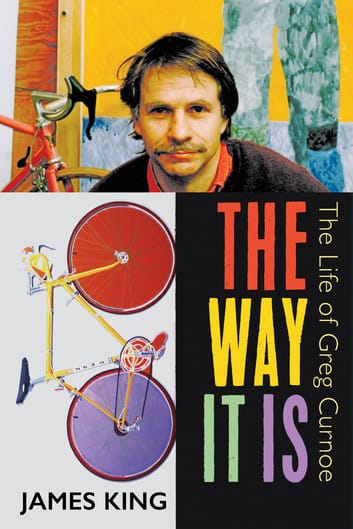
Description
The Way It Is: A Comprehensive Look at Greg Curnoe’s Life and Legacy
Introduction: Discovering Greg Curnoe Through James King’s Biography
“The Way It Is: The Life of Greg Curnoe” by James King offers readers an intimate portrait of one of Canada’s most influential artists. This comprehensive biography explores Greg Curnoe’s remarkable journey from his birth in 1936 to his untimely death in 1992. Furthermore, the book reveals how this London, Ontario native became a driving force in Canadian art.
King’s meticulous research brings to life the story of an iconoclast who transformed his hometown into an artistic hub. Moreover, readers discover how Greg Curnoe’s work celebrated both regional identity and national pride.
The biography captures the essence of an artist who lived authentically. Therefore, King presents Curnoe as a “walking autobiography” whose life and art were inseparable. Additionally, the book examines how his creative vision extended beyond painting into music and cultural activism.
Greg Curnoe: The Artist Who Defined London Regionalism
Greg Curnoe emerged as the central figure in the London Regionalism movement during the 1960s. This artistic movement challenged the dominance of international art trends and celebrated local identity. Consequently, London, Ontario became an important center for Canadian artistic production. The movement attracted talented artists who shared Curnoe’s vision of creating authentic regional art.
King’s biography details how Curnoe rejected anonymous, technical approaches to painting. Instead, he reached beyond art into life itself. His work constructed ambiguous images that belonged to neither art nor life exclusively. Furthermore, this approach made him a visionary who shaped an authentic myth from his region.
The book explores Curnoe’s relationships with fellow artists and supporters. Poet James Reaney and professor Ross Woodman became important friends and collaborators. Meanwhile, arts reporter Lenore Crawford championed his work in the London Free Press. These connections helped establish the theoretical framework for London Regionalism.
The Vibrant World of Greg Curnoe’s Artistic Practice
James King’s biography reveals the diverse nature of Greg Curnoe’s creative output. His brightly colored compositions became instantly recognizable in Canadian art circles. Moreover, his innovative use of text-based elements set him apart from his contemporaries. The book examines how Curnoe incorporated words and phrases into his visual compositions.
Curnoe’s famous bicycle paintings captured the public imagination and became iconic. However, his artistic practice extended far beyond this single subject matter. Therefore, King shows readers the full range of Curnoe’s creative exploration. The biography documents his constant experimentation with materials, techniques, and concepts.
His work celebrated everyday life in London, Ontario with remarkable attention to detail. Additionally, Curnoe created pieces that expressed his strong Canadian nationalism. His 1972 work “Map of North America” exemplified his political and cultural concerns. Furthermore, pieces like “STOP the American takeover of Canada!” demonstrated his activist spirit.
Key Themes in Greg Curnoe’s Life and Work
The biography identifies several recurring themes that defined Curnoe’s artistic journey:
- Regionalism: Deep commitment to celebrating London, Ontario and local identity
- Nationalism: Strong advocacy for Canadian culture and resistance to American influence
- Daily Life: Documentation of ordinary experiences and quotidian details
- Innovation: Constant reinvention and experimentation with artistic forms
- Community: Building and supporting local artistic networks and institutions
- Authenticity: Rejection of international trends in favor of personal vision
These themes interweave throughout King’s narrative, creating a comprehensive portrait. Moreover, they demonstrate how Curnoe’s personal values shaped his artistic output. The biography shows how these concerns remained consistent throughout his career.
Greg Curnoe: Musician and Cultural Activist
Beyond painting, Greg Curnoe co-founded the experimental music group Nihilist Spasm Band. This noise band became legendary in Canadian avant-garde music circles. Furthermore, Curnoe played drums and kazoo with characteristic enthusiasm and innovation. The band’s performances challenged conventional notions of music and performance art.
King’s biography explores how Curnoe’s musical activities complemented his visual art practice. Both pursuits shared his commitment to experimentation and regional identity. Additionally, the band provided another platform for his creative expression. The Nihilist Spasm Band continues to be recognized as a pioneering experimental music group.
Curnoe also founded publications and galleries that supported regional artists. He established a magazine called “Region” to promote local artistic production. Moreover, he helped create the 20/20 Gallery in London, Ontario. These institutional efforts demonstrated his commitment to building sustainable artistic communities.
The Personal Life Behind the Public Figure
James King’s biography delves into Greg Curnoe’s family life and personal relationships. The book presents him as a complex individual with contradictory qualities. Therefore, readers encounter both his warmth and his occasional crankiness. King balances hagiography with honest assessment of Curnoe’s personality.
The biography explores how Curnoe’s personal experiences informed his artistic vision. His deep attachment to London, Ontario shaped his entire worldview. Furthermore, his family relationships provided both inspiration and stability. The book reveals how he integrated his domestic life into his artistic practice.
King documents Curnoe’s friendships with poets, professors, and fellow artists. These relationships created a vibrant intellectual community in London. Moreover, they provided the theoretical foundation for understanding his work. The biography shows how collaboration enriched Curnoe’s creative development.
Critical Reception and National Recognition
The biography traces Greg Curnoe’s journey from local artist to national icon. The landmark 1968 “Heart of London” exhibition at the National Gallery brought widespread attention. This touring exhibition introduced Curnoe’s work to audiences across Canada. Consequently, London Regionalism gained recognition as a significant artistic movement.
King examines how critics and curators responded to Curnoe’s unconventional approach. Some praised his visionary qualities and authentic regional voice. However, others struggled to categorize his work within established frameworks. The biography presents these varied responses with balanced perspective.
Pierre Théberge organized a major retrospective of Curnoe’s work for the National Gallery. This exhibition solidified his reputation as a major Canadian artist. Furthermore, it demonstrated the breadth and depth of his creative output. The book details how this recognition affected Curnoe’s subsequent career.
The Tragic End and Lasting Legacy
Greg Curnoe died in a bicycle accident in 1992, just days before his 56th birthday. This untimely death cut short a career of constant reinvention and creative exploration. Therefore, the art world lost a vital voice at the height of his powers. King’s biography captures the shock and grief that followed his passing.
The book examines Curnoe’s enduring influence on Canadian art and culture. His commitment to regionalism inspired subsequent generations of artists. Moreover, his integration of text and image influenced contemporary artistic practices. The biography shows how his legacy extends beyond his individual works.
King concludes by assessing Curnoe’s place in Canadian art history. His work demonstrated that regional identity could have national and international significance. Furthermore, his example encouraged artists to remain true to their authentic vision. The biography presents him as both a product of his time and a timeless figure.
James King’s Approach to Biography
Author James King brings extensive experience as a biographer to this project. His thorough research draws on archives, interviews, and personal documents. Additionally, he consulted with Curnoe’s family, friends, and colleagues. This comprehensive approach creates a richly detailed portrait.
King’s writing style balances scholarly rigor with accessible prose. However, some reviewers noted that certain passages could be dryly expressed. Nevertheless, the biography succeeds in capturing Curnoe’s complexity and contradictions. The author presents both admiration and critical distance.
The book includes quotidian details that bring Curnoe’s daily life into focus. These specifics help readers understand how he transformed ordinary experience into art. Furthermore, King’s perceptive analysis illuminates the connections between life and work. The biography demonstrates how Curnoe’s art emerged from his lived experience.
Understanding London Regionalism Through Curnoe’s Story
The biography serves as an essential guide to understanding London Regionalism. King explains how this movement differed from 1930s American Regionalism. Curnoe himself stated he was unaware of the earlier American movement. Instead, London Regionalism emerged organically from local conditions and concerns.
The movement represented “essentially a region of the mind” rather than geographic boundaries. Therefore, it offered an alternative to international artistic trends. Artists sought to avoid the anonymity of problem-solving technical approaches. Moreover, they wanted to create work rooted in specific places and experiences.
King documents how the movement included artists like Jack Chambers and Murray Favro. These artists shared Curnoe’s commitment to regional identity and authentic expression. Furthermore, they created a supportive community that nurtured experimental work. The biography shows how collective effort amplified individual achievements.
The Book’s Structure and Content
“The Way It Is” follows a chronological structure through Curnoe’s life. King begins with his early interest in Dadaism and artistic experimentation. Subsequently, the narrative traces his development as a mature artist. The biography concludes with his tragic death and lasting influence.
Each chapter explores different aspects of Curnoe’s multifaceted career. Therefore, readers gain comprehensive understanding of his diverse activities. The book examines his painting, music, writing, and institutional work. Additionally, it explores his political activism and cultural advocacy.
King includes analysis of major works and exhibitions throughout the narrative. These discussions help readers understand Curnoe’s artistic evolution. Moreover, they demonstrate how his work responded to changing cultural contexts. The biography balances biographical detail with art historical analysis.
Why This Biography Matters Today
James King’s biography remains essential reading for understanding Canadian art history. Greg Curnoe’s influence continues to resonate in contemporary artistic practice. Furthermore, his commitment to regional identity offers lessons for today’s globalized world. The book demonstrates how local concerns can achieve universal significance.
The biography challenges readers to reconsider the relationship between art and place. Curnoe’s example shows that authentic expression requires rootedness in specific contexts. Moreover, his work proves that regional art can speak to national concerns. Therefore, the book remains relevant beyond its immediate subject.
King’s thorough research provides valuable documentation of a crucial period in Canadian culture. The 1960s and 1970s saw tremendous growth in Canadian artistic confidence. Additionally, this era witnessed important debates about cultural nationalism and identity. The biography captures these larger historical currents through one artist’s story.
Conclusion: A Life Fully Lived
“The Way It Is: The Life of Greg Curnoe” by James King offers readers an intimate and comprehensive portrait. This first biography of Curnoe recaptures in vivid detail both public achievements and personal struggles. Moreover, it demonstrates how one artist’s vision transformed an entire community. King’s meticulous research and perceptive analysis create an essential resource for understanding Canadian art.
Greg Curnoe emerges from these pages as a complex, passionate, and committed artist. His dedication to regional identity never limited his artistic ambition or achievement. Instead, it provided the foundation for work of lasting significance. Furthermore, his constant reinvention kept his practice fresh and relevant throughout his career.
The biography succeeds in presenting Curnoe as both a product of his time and a timeless figure. His concerns about cultural identity and authentic expression remain urgent today. Therefore, readers will find much to inspire and challenge them in this account. King has created a fitting tribute to an artist who lived and worked with remarkable intensity.
For anyone interested in Canadian art, cultural nationalism, or artistic biography, this book is essential reading. It illuminates not only one artist’s life but an entire cultural movement. Moreover, it demonstrates how individual vision can shape collective identity. “The Way It Is” stands as both scholarly achievement and engaging narrative.


Reviews
There are no reviews yet.