

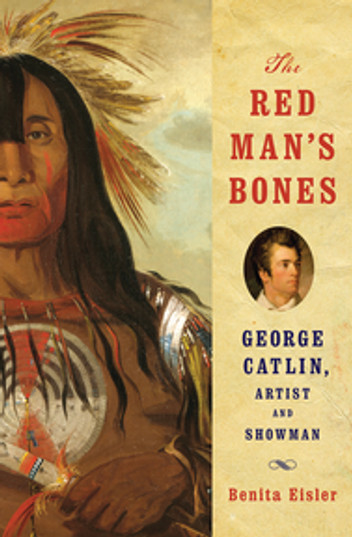
Description
The Red Man’s Bones: A Comprehensive Look at George Catlin’s Extraordinary Life
George Catlin stands as one of America’s most fascinating 19th-century figures. Benita Eisler’s “The Red Man’s Bones” brings his remarkable story to life. This biography explores the artist who dedicated his career to documenting Native American culture. Furthermore, it reveals the complex man behind the paintings.
Who Was George Catlin?
George Catlin was born in 1796 in Pennsylvania. Initially, he trained as a lawyer to please his family. However, his true passion lay in art and adventure. Consequently, he abandoned his legal practice in the 1820s.
Moreover, Catlin became obsessed with a singular mission. He wanted to paint every Native American tribe before they disappeared. This ambitious goal would define his entire life. Additionally, it would lead him on extraordinary journeys across the American frontier.
The Artist’s Mission and Vision
Catlin believed Native American cultures faced extinction. Therefore, he felt compelled to create a visual record. His paintings would serve as historical documents. Furthermore, they would educate future generations about these vanishing peoples.
Between 1830 and 1836, he traveled extensively. He visited over 50 tribes across the Great Plains. Meanwhile, he created hundreds of portraits and scenes. Each painting captured details of clothing, ceremonies, and daily life.
George Catlin’s Travels and Artistic Work
The biography details Catlin’s incredible adventures. He journeyed up the Missouri River into uncharted territories. Subsequently, he witnessed buffalo hunts, religious ceremonies, and tribal councils. These experiences shaped his artistic vision profoundly.
Eisler describes how Catlin worked tirelessly in harsh conditions. He painted in sweltering heat and bitter cold. Nevertheless, he remained committed to his documentary mission. His dedication produced an unparalleled collection of Native American imagery.
Key Achievements in Catlin’s Career
The book highlights several major accomplishments:
- Created over 500 paintings of Native American life
- Documented tribes that soon faced devastating population losses
- Established the first “Indian Gallery” exhibition
- Traveled to Europe to showcase his collection
- Published multiple books about his experiences
- Advocated for the preservation of Native American cultures
The Showman Emerges
Catlin wasn’t just an artist; he was also an entrepreneur. Consequently, he transformed his paintings into a traveling exhibition. His “Indian Gallery” toured American cities first. Then, it crossed the Atlantic to Europe.
Moreover, Catlin brought Native American performers to his shows. These live demonstrations attracted huge crowds. However, this decision raised ethical questions. Eisler explores these moral complexities throughout the biography.
Financial Struggles and Personal Challenges
Despite initial success, Catlin faced constant money problems. His exhibitions required enormous expenses. Additionally, he struggled to find permanent buyers for his collection. Therefore, debt haunted him throughout his life.
Furthermore, personal tragedies compounded his difficulties. His wife and young son died during their European tour. This devastating loss deeply affected him. Nevertheless, he continued working and promoting his collection.
George Catlin’s Complex Legacy
Eisler presents a nuanced portrait of her subject. Catlin genuinely admired Native American cultures. However, he also exploited them for profit. This contradiction defines his legacy.
On one hand, his paintings preserve invaluable historical information. They document tribes, customs, and individuals now lost to history. On the other hand, his showmanship sometimes bordered on exploitation. Consequently, modern viewers must grapple with these ethical tensions.
The Book’s Major Themes
“The Red Man’s Bones” explores several interconnected themes:
- The tension between art and commerce
- Cultural preservation versus cultural appropriation
- The impact of westward expansion on Native peoples
- The role of artists as historical documentarians
- The price of obsession and ambition
- The complexities of cross-cultural representation
Eisler’s Research and Writing Style
Benita Eisler conducted extensive research for this biography. She examined Catlin’s letters, journals, and business records. Additionally, she consulted contemporary accounts and historical documents. This thorough approach creates a richly detailed narrative.
Moreover, Eisler writes in an engaging, accessible style. She balances scholarly rigor with compelling storytelling. Therefore, the book appeals to both academics and general readers. Her prose brings the 19th century vividly to life.
The Fate of Catlin’s Collection
The biography traces the collection’s troubled journey. Catlin desperately sought an institutional buyer throughout his life. He approached the U.S. government repeatedly. However, Congress refused to purchase his work.
Eventually, after his death, the Smithsonian Institution acquired the collection. Today, it forms a cornerstone of their American art holdings. Thus, Catlin’s dream of preservation finally came true, albeit posthumously.
Historical Context and Significance
Eisler situates Catlin within broader American history. His career coincided with rapid westward expansion. Meanwhile, Native American tribes faced forced removal and cultural destruction. Consequently, his paintings document a pivotal, tragic period.
Furthermore, the book examines 19th-century attitudes toward Native peoples. These ranged from romantic idealization to outright hostility. Catlin embodied both perspectives simultaneously. Therefore, his story illuminates the era’s contradictions.
Critical Reception and Impact
“The Red Man’s Bones” received widespread critical acclaim. Reviewers praised Eisler’s balanced, thoughtful approach. Moreover, they appreciated her willingness to examine Catlin’s flaws. The biography won several awards and honors.
Additionally, the book sparked renewed interest in Catlin’s work. Museums organized new exhibitions of his paintings. Scholars published fresh analyses of his legacy. Thus, Eisler’s biography revitalized Catlin studies significantly.
Why Read This Biography?
This book offers multiple rewards for readers. First, it tells a genuinely fascinating life story. Catlin’s adventures rival any fiction. Second, it provides insight into American history and culture.
Moreover, it raises important questions about representation and preservation. How do we document other cultures ethically? What responsibilities do artists bear? These questions remain relevant today. Therefore, the book speaks to contemporary concerns.
Furthermore, Eisler’s writing makes complex history accessible. She explains historical context clearly. Additionally, she develops Catlin as a fully human character. Readers see his brilliance, his flaws, and his contradictions.
The Book’s Structure and Organization
Eisler organizes the biography chronologically. She begins with Catlin’s childhood and early career. Then, she follows his western travels in detail. Subsequently, she covers his European years and later struggles.
This straightforward structure serves the story well. Readers can easily follow Catlin’s journey. Moreover, Eisler includes helpful context at each stage. She explains historical events and cultural movements clearly.
Illustrations and Visual Elements
The book includes numerous reproductions of Catlin’s paintings. These images enhance the text significantly. Readers can see the works Eisler discusses. Consequently, they better understand Catlin’s artistic achievement.
Additionally, the illustrations reveal his technical skill. His portraits capture individual personalities vividly. His scenes convey action and atmosphere effectively. Therefore, the visual elements prove essential to appreciating his work.
Conclusion: A Definitive Portrait
“The Red Man’s Bones” stands as the definitive Catlin biography. Eisler combines thorough research with engaging narrative. She presents her subject honestly, acknowledging both achievements and failures. Moreover, she places his work in meaningful historical context.
The book illuminates a crucial period in American history. It examines the collision between cultures and the role of art in documenting change. Furthermore, it tells a deeply human story of ambition, loss, and legacy.
For anyone interested in American art, history, or Native American studies, this biography proves essential reading. Eisler has created a lasting contribution to our understanding of George Catlin and his era. Ultimately, she helps us see both the man and his work with fresh eyes.




Reviews
There are no reviews yet.