

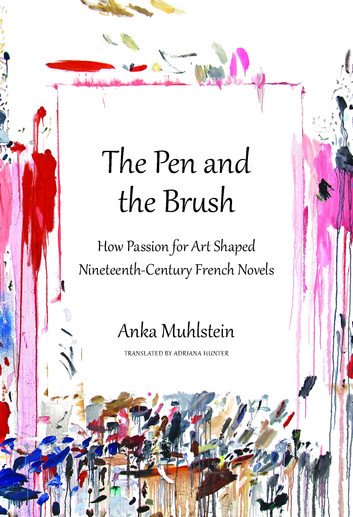
Description
Passion for Art Nineteenth-Century French Novels: How Visual Aesthetics Transformed Literature
Introduction to Art and Literature’s Intersection
“The Pen and the Brush” by Anka Muhlstein explores passion for art nineteenth-century French novels with scholarly depth. This fascinating study reveals how visual aesthetics profoundly influenced literary creation.
Moreover, Muhlstein demonstrates that writers and painters shared intimate creative circles. Consequently, their artistic visions merged in unexpected and revolutionary ways. Therefore, readers discover a hidden dimension of French literary history.
The book examines how novelists absorbed artistic techniques into their writing. Furthermore, it shows how painters inspired narrative innovations and descriptive methods. Muhlstein writes with clarity while maintaining rigorous academic standards throughout. Additionally, she brings these historical relationships to life with vivid detail.
The Cultural Context of Nineteenth-Century France
Nineteenth-century Paris became the undisputed center of European artistic innovation. Writers and painters gathered in salons, cafes, and studios regularly. Moreover, they debated aesthetics, critiqued each other’s work, and formed lasting friendships. Consequently, boundaries between literary and visual arts began dissolving gradually.
This cultural environment fostered unprecedented creative cross-pollination between artistic disciplines. Furthermore, economic changes allowed more artists to pursue their passions professionally. The rise of art galleries and literary journals created new opportunities. Therefore, artists could reach broader audiences than ever before possible.
Balzac and the Art of Observation
Honoré de Balzac stands as a central figure in Muhlstein’s analysis. His novels demonstrate deep engagement with visual arts and artistic thinking. Moreover, Balzac collected paintings and studied artistic techniques with genuine passion. Consequently, his descriptive passages often resemble detailed paintings rendered in words.
Muhlstein reveals how Balzac’s friendships with painters shaped his literary vision. He learned to observe society with a painter’s meticulous eye. Additionally, he structured scenes using compositional principles borrowed from visual arts. Therefore, his novels achieved unprecedented levels of visual richness and detail.
The author examines specific passages where Balzac’s artistic knowledge shines through. Furthermore, she traces connections between his descriptions and contemporary painting styles. These insights illuminate Balzac’s creative process in fascinating new ways. Subsequently, readers gain deeper appreciation for his technical mastery and innovation.
Stendhal’s Aesthetic Philosophy
Stendhal brought a different perspective to the relationship between literature and art. His Italian travels exposed him to Renaissance masterpieces that transformed his thinking. Moreover, he wrote extensively about painting in essays and art criticism. Consequently, his novels reflect sophisticated understanding of visual aesthetics and composition.
Muhlstein analyzes how Stendhal’s art criticism informed his fictional techniques. He believed novels should capture beauty with the same intensity as paintings. Additionally, he advocated for emotional authenticity over mere technical skill. Therefore, his characters experience art with passionate intensity and personal engagement.
The book explores Stendhal’s concept of “crystallization” in romantic love. This idea draws directly from his observations about artistic perception. Furthermore, it demonstrates how visual thinking shaped his psychological insights. Subsequently, readers understand his novels as products of cross-disciplinary artistic thought.
Flaubert’s Visual Precision
Gustave Flaubert pursued visual precision with almost obsessive dedication in his writing. He spent hours crafting single sentences to achieve perfect clarity. Moreover, he studied paintings to understand how artists created unified impressions. Consequently, his prose achieves painterly qualities that few other writers matched.
Muhlstein examines Flaubert’s famous descriptive passages through an artistic lens carefully. She shows how he composed scenes using principles of visual balance. Additionally, she reveals his strategic use of color, light, and perspective. Therefore, readers recognize his debt to contemporary painting movements and techniques.
The Goncourt Brothers and Artistic Circles
Edmond and Jules de Goncourt moved freely between literary and artistic worlds. They collected Japanese prints and championed eighteenth-century French art enthusiastically. Furthermore, they wrote novels that celebrated artistic sensibility and aesthetic refinement. Consequently, their work exemplifies the fusion of visual and literary arts.
The brothers maintained close friendships with leading painters of their era. Moreover, they documented artistic life in their famous journal with meticulous detail. These observations directly influenced their fictional portrayals of artists and creativity. Therefore, their novels provide invaluable insights into nineteenth-century artistic culture.
Zola and Impressionism
Émile Zola’s relationship with Impressionist painters forms a crucial chapter in Muhlstein’s study. He championed Édouard Manet when critics attacked the painter’s revolutionary work. Additionally, he defended Claude Monet and other Impressionists against hostile reception. Consequently, he became deeply invested in their artistic vision and methods.
Muhlstein explores how Impressionist techniques influenced Zola’s naturalist novels significantly. His descriptions often capture fleeting moments and atmospheric effects like paintings. Furthermore, he structured scenes to emphasize sensory impressions over static details. Therefore, his prose achieves effects remarkably similar to Impressionist canvases.
Key connections between Zola and Impressionism include:
- His defense of Manet’s controversial “Olympia” in published criticism
- Friendship with Paul Cézanne from childhood through artistic maturity
- Use of light and color effects in descriptive passages
- Focus on contemporary life and modern urban experiences
- Emphasis on subjective perception rather than objective reality
Proust’s Artistic Education
Marcel Proust represents the culmination of passion for art nineteenth-century French novels. His masterpiece “In Search of Lost Time” overflows with artistic references. Moreover, Proust studied painting extensively and wrote perceptive art criticism himself. Consequently, visual arts became integral to his exploration of memory and time.
Muhlstein analyzes how Proust transformed artistic viewing into literary experience. His narrator’s encounters with paintings trigger profound psychological revelations and memories. Additionally, fictional painter Elstir embodies Proust’s theories about artistic perception. Therefore, the novel itself becomes a meditation on seeing and creating.
The author examines Proust’s debt to John Ruskin’s art criticism. Furthermore, she traces influences from specific painters including Vermeer and Whistler. These connections reveal how deeply visual thinking permeated Proust’s literary imagination. Subsequently, readers recognize his work as synthesis of literary and artistic traditions.
Artistic Descriptions and Literary Innovation
Muhlstein demonstrates how passion for art nineteenth-century French novels drove technical innovation. Writers developed new descriptive methods to capture visual experiences in language. Moreover, they experimented with narrative structures inspired by artistic composition principles. Consequently, the novel form itself evolved through engagement with visual arts.
The book examines specific techniques writers borrowed from painters and adapted. These include use of color symbolism, atmospheric effects, and compositional balance. Additionally, writers learned to suggest rather than exhaustively describe every detail. Therefore, their prose achieved new levels of suggestiveness and aesthetic power.
Conclusion: A Lasting Legacy
Anka Muhlstein’s “The Pen and the Brush” illuminates a crucial dimension of literary history. She reveals how visual arts fundamentally shaped nineteenth-century French fiction. Moreover, she demonstrates that great novels emerged from cross-disciplinary artistic dialogue. Consequently, readers gain fresh perspective on familiar masterpieces and their creation.
This study proves essential for understanding French literary development during this period. Furthermore, it shows how artistic passion enriched literature in lasting ways. The book appeals to scholars, students, and general readers interested in art. Ultimately, Muhlstein has created an illuminating exploration of creativity’s interconnected nature.


Reviews
There are no reviews yet.