

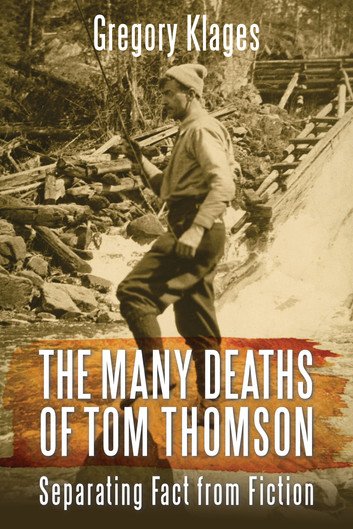
Description
The Many Deaths of Tom Thomson: Unraveling Canada’s Greatest Art Mystery
“The Many Deaths of Tom Thomson: Separating Fact from Fiction” by Gregory Klages investigates one of Canada’s most enduring mysteries. Tom Thomson, a legendary Canadian artist, died under mysterious circumstances in 1917. Moreover, his death has spawned countless theories, rumors, and speculations over the past century. Klages meticulously examines the evidence to distinguish historical truth from persistent myth and fiction.
The book addresses a fundamental question that has haunted Canadian art history for generations. What really happened to Tom Thomson on Canoe Lake in Algonquin Park? Furthermore, why have so many conflicting stories emerged about his final days and death? Klages brings a historian’s rigor to this investigation, challenging assumptions and carefully examining primary sources.
Gregory Klages: The Historian Behind the Investigation
Gregory Klages approaches “The Many Deaths of Tom Thomson” with scholarly precision. He has spent years researching Thomson’s death, examining original documents and contemporary accounts. Klages’s critical thinking skills help him separate verifiable facts from unsubstantiated claims and romantic mythology.
Klages recognizes that popular narratives often overshadow historical evidence. He systematically evaluates each theory about Thomson’s death against documentation and physical evidence. Additionally, he identifies how myths develop and spread, even when they contradict facts. This approach distinguishes his work from previous speculative accounts.
The author’s commitment to historical accuracy drives every aspect of “The Many Deaths of Tom Thomson.” He avoids sensationalizing the story for entertainment. Instead, Klages presents facts, context, and reasoned analysis of competing theories, acknowledging uncertainties and clarifying what the evidence supports or contradicts.
Tom Thomson: Canada’s Iconic Wilderness Artist
Tom Thomson revolutionized Canadian landscape painting with bold depictions of Ontario’s Algonquin Park. His style, influential to the Group of Seven, helped define Canadian art’s relationship with nature and identity.
Thomson was largely self-taught, honing his skills through observation and practice. He worked as a Toronto commercial artist before focusing on wilderness landscapes. His long stays camping and canoeing in Algonquin Park fostered a deep connection to nature, which infused his paintings with authenticity and emotional resonance.
Despite his short career, Thomson produced influential work, blending impressionist methods with Canadian subjects. His vision inspired the future Group of Seven and shaped the direction of Canadian art.
The Mysterious Death of 1917
The mystery that Klages tackles begins on July 8, 1917, when Tom Thomson disappeared on Canoe Lake in Algonquin Park. His overturned canoe was discovered floating on the lake that same afternoon. However, Thomson’s body wasn’t found until eight days later, on July 16, 1917. The circumstances surrounding his death immediately raised questions that have never been definitively answered, setting the stage for ongoing debate.
The official verdict was accidental drowning. Yet numerous details about the case troubled observers from the beginning. Conflicting witness statements and unexplained evidence fueled speculation about alternative explanations. “The Many Deaths of Tom Thomson” examines why this conclusion satisfied few people then or now.
Thomson was an experienced outdoorsman familiar with Canoe Lake’s dangers, making accidental drowning seem unlikely to many who knew him. The condition of his body when recovered raised medical and forensic questions. These inconsistencies fueled alternative theories about murder, suicide, or other possibilities.
The Many Theories Surrounding Thomson’s Death
Reflecting the persistent controversy, “The Many Deaths of Tom Thomson” catalogs the numerous theories that have emerged over the decades. Some people believe Thomson was murdered, possibly over a romantic rivalry or personal dispute. Others suggest suicide, pointing to alleged depression or personal troubles in his final days. Furthermore, some theories involve elaborate conspiracies or cover-ups by various parties with different motives.
The major theories Klages examines include:
- Accidental drowning while fishing or canoeing alone
- Murder by a romantic rival over a relationship dispute
- Suicide due to depression or personal problems
- Death from natural causes, such as a seizure or heart attack
- Accidental death from falling and hitting his head
- Murder related to World War I draft evasion accusations.
- Cover-up by local residents or authorities
Each theory has its proponents, who cite specific evidence or testimony to support their interpretation. However, Klages demonstrates how many theories rely on questionable sources or misinterpreted evidence. Moreover, he shows that later embellishments have significantly distorted the original historical record. The book reveals how myths develop layers of detail that seem convincing but lack foundation.
What Facts Are Actually Known
Klages carefully establishes what historical evidence actually documents about Thomson’s death and final days. Contemporary records provide some basic facts that serious historians and researchers do not dispute. Moreover, physical evidence from the scene and body offers limited but important information. “The Many Deaths of Tom Thomson” grounds readers in this factual foundation before examining theories.
Thomson was last seen alive on the morning of July 8, 1917, departing in his canoe. His overturned canoe was found that afternoon, with no sign of Thomson. Additionally, his body surfaced eight days later with fishing line wrapped around one ankle. An inquest was held, though its thoroughness and conclusions have been questioned ever since.
The condition of Thomson’s body when recovered has been subject to conflicting descriptions and interpretations. Some witnesses reported a head wound, while others didn’t mention any visible injuries at all. Furthermore, the hasty burial and later exhumation have complicated efforts to determine the cause of death. Klages examines these discrepancies and what they reveal about the investigation’s limitations and problems.
How Myths Have Shaped the Narrative
“The Many Deaths of Tom Thomson” reveals how speculation gradually transformed into an accepted “fact” through repetition. Early rumors and theories were repeated so often that many people began treating them as established truth. Moreover, each retelling often added new details or embellishments that weren’t in the original accounts. This process created a mythology that significantly overshadowed the historical record.
Popular books, articles, and even fictional works have contributed to mythologizing Thomson’s death over the decades. Some authors prioritized dramatic storytelling over historical accuracy when presenting theories about the mystery. Additionally, the romantic appeal of an unsolved artist’s death encouraged sensational interpretations and speculation. Klages demonstrates how these cultural forces have distorted public understanding of what actually happened.
The author shows how confirmation bias affects how people interpret ambiguous evidence in this case. Those convinced of murder find evidence supporting murder, while accident proponents see accident evidence. Furthermore, gaps in the historical record allow people to project their preferred narratives onto events. “The Many Deaths of Tom Thomson” teaches readers to recognize the psychological and cultural dynamics at play.
Why the Mystery Endures
Tom Thomson’s death captivates people because it combines art, wilderness, mystery, and Canadian national identity. His status as a beloved artist makes his untimely death all the more poignant and intriguing. Moreover, the case’s unsolved nature invites speculation and allows everyone to become an amateur detective. The mystery has become part of Thomson’s legend and Canadian cultural mythology itself.
The lack of definitive answers frustrates people but also keeps interest alive across generations. Each new theory or piece of evidence reignites debate and draws fresh attention to the case. Additionally, Thomson’s artistic legacy ensures that new audiences continually discover both his work and his mysterious death. The story has become inseparable from the appreciation of his paintings and artistic contributions.
The wilderness setting adds romantic appeal to the mystery of Thomson’s final moments. Algonquin Park represents the Canadian wilderness Thomson painted so powerfully. The isolation of Canoe Lake in 1917 meant few witnesses and limited investigation. These factors create a quality that transcends ordinary historical investigation.
Klages’s Approach to Separating Fact from Fiction
“The Many Deaths of Tom Thomson” employs rigorous historical methodology to evaluate competing claims and theories. Klages examines primary sources, contemporary documents, and firsthand accounts from people actually present in 1917. Moreover, he distinguishes between what witnesses said immediately and what they claimed years later. This chronological analysis reveals how memories and stories have evolved significantly over time.
The author evaluates the credibility of different sources based on their proximity to events and potential biases. He identifies which claims have documentary support and which rest solely on later recollections or hearsay. Additionally, Klages applies logical analysis to determine which theories align with known facts and circumstances. This systematic approach provides readers with tools for critical thinking about historical mysteries generally.
Klages acknowledges the limitations of historical evidence while refusing to fill gaps with speculation or imagination. He clearly distinguishes between what can be proven, what seems probable, and what remains unknown. Furthermore, he explains why certain popular theories lack sufficient evidence despite their widespread acceptance. “The Many Deaths of Tom Thomson” models intellectual honesty in confronting an unsolvable mystery.
The Importance of Historical Accuracy
This book demonstrates why separating fact from fiction is essential to understanding historical events and figures. Myths and legends can obscure truth and prevent an accurate understanding of the past and its lessons. Moreover, romantic speculation can disrespect the actual people involved and their real experiences and suffering. Klages argues for the value of truth even when it’s less dramatic than popular mythology.
Historical accuracy preserves the integrity of Tom Thomson’s actual life and artistic achievements from sensationalism. His paintings deserve appreciation based on their artistic merit rather than morbid fascination with his death. Additionally, accurate history honors Thomson’s memory more genuinely than elaborate conspiracy theories or romantic speculation. “The Many Deaths of Tom Thomson” refocuses attention on what can actually be known and verified.
The book also illustrates how misinformation spreads and becomes entrenched in popular consciousness over time. Understanding this process helps readers evaluate claims more critically in other contexts. Furthermore, it demonstrates the importance of primary sources and contemporary evidence in historical research. These lessons extend beyond Thomson’s case to broader questions about truth and evidence.
What Readers Learn from This Investigation
“The Many Deaths of Tom Thomson” teaches readers how to think critically about historical mysteries and unsolved cases. Klages provides a model for evaluating evidence, assessing source credibility, and distinguishing fact from speculation. Moreover, readers learn to recognize how myths develop and why people find certain narratives appealing. These skills apply to understanding many aspects of history, media, and contemporary information.
The book reveals the complexity of historical investigation and the challenges of accurately reconstructing past events. Readers discover why some questions may never have definitive answers despite extensive research and analysis. Additionally, they learn to accept uncertainty rather than embracing comforting but unsupported explanations. This intellectual humility represents an important lesson in our age of confident but often unfounded claims.
Readers also gain a deeper appreciation for Tom Thomson’s artistic legacy, separate from the mystery surrounding his death. Klages reminds us that Thomson’s significance lies in his paintings and influence on Canadian art. Furthermore, the book contextualizes Thomson within early twentieth-century Canadian art and the Group of Seven’s development. This broader perspective enriches the understanding of his contributions beyond the sensational circumstances of his demise.
Tom Thomson’s Enduring Legacy
Tom Thomson’s influence on Canadian art extends far beyond his brief career and mysterious death. His paintings continue to inspire artists and define how Canadians visualize their natural landscape and wilderness. Moreover, his bold style and dedication to capturing Canadian subjects helped establish a distinct national artistic identity. Thomson’s work remains central to understanding Canadian art history and cultural development significantly.
The Group of Seven artists, who formed shortly after Thomson’s death, acknowledged his profound influence on their work. They considered Thomson a spiritual member despite his death before the group’s official formation. Additionally, his approach to landscape painting shaped their artistic philosophy and choice of subjects. Thomson’s legacy lives through their work and the countless artists they subsequently influenced.
“The Many Deaths of Tom Thomson” ultimately argues that Thomson’s art matters more than the mystery of his death. Klages encourages readers to focus on Thomson’s creative achievements and artistic vision above all else. Furthermore, he suggests that an obsession with the death mystery can distract from appreciating the paintings themselves. The book redirects attention to what Thomson created rather than how he died.
Conclusion: Truth Matters More Than Mystery
“The Many Deaths of Tom Thomson: Separating Fact from Fiction” provides essential reading for anyone interested in Canadian art history. Gregory Klages offers a rigorous, thoughtful examination of one of Canada’s most famous unsolved mysteries. Moreover, he demonstrates the importance of historical accuracy and critical thinking in evaluating popular narratives. The book serves both as an investigation and as a lesson in historical methodology and intellectual honesty.
Klages doesn’t claim to solve the mystery definitively, but he clarifies which evidence actually supports it. He strips away decades of accumulated myth to reveal the limited facts actually known about Thomson’s death. Furthermore, he explains why certain popular theories lack a credible foundation despite their widespread acceptance and appeal. This honest assessment serves truth better than false certainty or sensational speculation ever could.
“The Many Deaths of Tom Thomson” reminds readers that some mysteries may never be solved completely or satisfactorily. However, the pursuit of truth through careful research and critical analysis remains valuable regardless of outcome. The book honors Tom Thomson’s memory by insisting on accuracy and rejecting mythology that obscures his real life and artistic achievements.





Reviews
There are no reviews yet.