

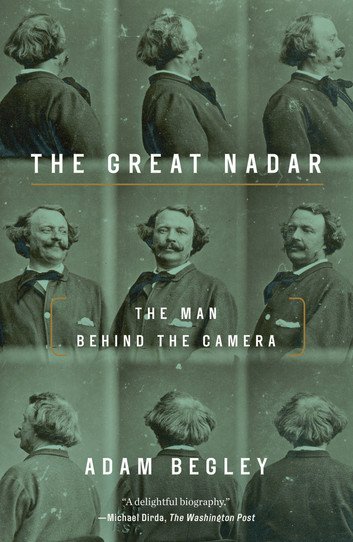
Description
The Great Nadar: The Man Behind the Camera – A Photographic Pioneer’s Biography
Introduction: Discovering a Photographic Pioneer
Adam Begley brings to life the extraordinary story of Nadar, a photographic pioneer. This dazzling biography explores the fabled Parisian photographer’s remarkable journey through art. Moreover, it reveals how one man revolutionized an entire medium with vision. Nadar wasn’t just a photographer; he was an adventurer and cultural icon.
His larger-than-life personality captivated nineteenth-century Paris and beyond it completely. Therefore, Begley’s portrait captures both the artist and the bohemian spirit. Additionally, readers discover the man who helped define modern photography’s possibilities. This stylish biography celebrates a true pioneer of the photographic arts.
Who Was Nadar?
Nadar became one of Paris’s most celebrated figures during his lifetime. Born Gaspard-Félix Tournachon, he adopted his famous pseudonym early in life. However, the name “Nadar” would become synonymous with photographic excellence worldwide. He lived during photography’s most exciting and transformative early decades.
His career spanned multiple artistic and entrepreneurial ventures throughout his long life. Photography became his greatest passion and most enduring legacy for generations. Moreover, he approached the medium with innovation and artistic sensibility always. So Nadar transformed portrait photography from mere documentation into genuine art.
Bohemian Youth and Early Adventures
Nadar’s youth unfolded in the vibrant bohemian circles of Paris completely. He mingled with artists, writers, and revolutionaries who shaped French culture. Additionally, he embraced the unconventional lifestyle that defined his generation’s creative spirits. These early experiences shaped his artistic vision and fearless approach to life.
Financial struggles marked his early years but never dampened his ambitions. He tried journalism, caricature, and various creative pursuits before finding photography. Moreover, his bohemian connections would later become his most famous photographic subjects. Therefore, his youth prepared him perfectly for his revolutionary photographic career ahead.
Revolutionary Approach to Portrait Photography
Nadar revolutionized portrait photography with his innovative techniques and artistic vision completely. He rejected the stiff, formal poses that dominated early photographic portraits. Instead, he captured his subjects’ personalities, emotions, and inner lives authentically. His portraits revealed character rather than simply recording physical appearances alone.
Natural light became his signature tool for creating depth and atmosphere. He positioned subjects thoughtfully to reveal their true essence and spirit. Additionally, he engaged them in conversation to capture genuine expressions naturally. So his portraits felt alive in ways that other photographers couldn’t achieve.
Famous Subjects and Cultural Icons
Nadar photographed virtually every important figure in nineteenth-century French culture extensively. Writers, artists, musicians, and politicians sat before his camera regularly and willingly. Moreover, his studio became the place where Paris’s elite wanted portraits. His subject list reads like a who’s who of the era.
He captured Sarah Bernhardt, Victor Hugo, George Sand, and countless others. Each portrait revealed something essential about these legendary personalities and their genius. Additionally, his photographs became the definitive images of these cultural icons. Therefore, Nadar’s work created a visual record of an entire generation.
Pioneering Aerial Photography
Nadar became the first person to take photographs from a hot air balloon. This daring achievement demonstrated his adventurous spirit and innovative thinking about photography. Moreover, it opened entirely new perspectives and possibilities for the medium. Aerial photography began with Nadar’s courageous experiments high above Paris streets.
He risked his life repeatedly to capture images from the sky. The technical challenges were enormous, but he persisted with determination and ingenuity. Additionally, these aerial photographs amazed the public and inspired future generations. So Nadar proved that photography could go anywhere human courage could reach.
Underground Photography in the Paris Catacombs
Nadar pioneered underground photography in the Paris catacombs and sewers below. He developed artificial lighting techniques to illuminate these dark, mysterious spaces effectively. Moreover, he created haunting images of places never before photographed successfully. This work required both technical innovation and physical bravery in equal measure.
The catacombs presented unique challenges that tested his skills and equipment. He spent months perfecting his lighting methods and photographic processes underground. Additionally, these images fascinated the public with their eerie beauty and novelty. Therefore, Nadar expanded photography’s boundaries both above and below ground level.
Key Achievements of This Photographic Pioneer
Nadar’s contributions to photography and culture include numerous groundbreaking accomplishments:
- Revolutionary portrait techniques that captured personality rather than just appearance
- First aerial photographs taken from hot air balloons above Paris
- Underground photography in the catacombs using innovative artificial lighting
- Famous subject portraits including Victor Hugo, Sarah Bernhardt, and George Sand
- Photographic interviews combining images with written conversations and observations
- Studio innovations creating comfortable spaces where subjects revealed authentic selves
- Cultural documentation preserving visual records of nineteenth-century Parisian intellectual life
Each achievement demonstrated his pioneering spirit and commitment to photographic excellence. Together, they established his reputation as photography’s most innovative early practitioner.
The Nadar Studio Experience
Nadar’s photographic studio became legendary throughout Paris for its welcoming atmosphere. Unlike other photographers, he created a comfortable space where subjects relaxed. Moreover, he treated everyone with respect regardless of their fame or status. His studio felt more like an artist’s salon than a commercial establishment.
Subjects often spent hours talking with Nadar before any photographs were taken. This conversation allowed him to understand their personalities and capture them authentically. Additionally, the relaxed environment produced natural expressions and genuine moments beautifully. Therefore, sitting for Nadar became an experience people cherished and remembered fondly.
Larger-Than-Life Personality
Nadar’s personality matched his photographic ambitions in scale and energy completely. He lived boldly, spoke passionately, and pursued ideas with relentless enthusiasm. Moreover, he befriended everyone from struggling artists to wealthy aristocrats with ease. His charisma made him a central figure in Parisian cultural life.
Stories about his adventures and exploits circulated widely throughout the city. He embraced controversy, championed causes, and never shied from public attention. Additionally, his generosity toward fellow artists became legendary among his contemporaries. So Nadar embodied the romantic ideal of the artist-adventurer perfectly.
Financial Struggles and Business Challenges
Despite his fame, Nadar faced constant financial difficulties throughout his career. His expensive experiments and generous nature often left him in debt. However, he never allowed money troubles to limit his artistic ambitions. Business sense wasn’t his strength, but creativity and vision certainly were.
He invested heavily in new photographic techniques and equipment without hesitation. His aerial photography experiments cost enormous sums with little financial return. Moreover, he often gave away portraits or worked for minimal payment. Therefore, financial security eluded him despite his tremendous success and recognition.
Relationships with Fellow Artists
Nadar maintained deep friendships with the greatest artists of his generation. He supported struggling writers and painters with both money and encouragement. Additionally, he provided them with portraits that helped establish their public images. His studio became a gathering place for creative minds and revolutionary thinkers.
He championed the Impressionists when others dismissed their work as worthless. His studio hosted their first group exhibition, launching a movement that changed art. Moreover, he understood that photography and painting could coexist and enrich each other. Therefore, his support for fellow artists extended beyond mere friendship to advocacy.
Technical Innovations in Photography
Nadar constantly pushed photography’s technical boundaries with experiments and innovations throughout. He improved lighting techniques, developed new chemical processes, and refined equipment. Moreover, he shared his discoveries generously with other photographers and practitioners. Technical excellence mattered deeply to him but always served artistic vision.
His work with artificial light revolutionized indoor and underground photography completely. He experimented with exposure times, lens types, and developing methods continuously. Additionally, he documented his processes to help advance the entire field. So Nadar contributed to photography’s technical development as much as its artistry.
Cultural Impact and Legacy
Nadar’s influence on photography and culture extends far beyond his lifetime. He established portrait photography as a legitimate art form worthy of respect. Moreover, he demonstrated that photographers could be artists, not just technicians. His vision shaped how we understand photography’s possibilities and purposes today.
Contemporary photographers still study his techniques and approach to portraiture carefully. His portraits remain powerful examples of how images capture human essence. Additionally, his adventurous spirit inspires artists to push boundaries and take risks. Therefore, Nadar’s legacy lives on in every photographer who seeks truth.
Adam Begley’s Biographical Approach
Begley crafts a dazzling, stylish biography that matches Nadar’s own personality. He brings nineteenth-century Paris to life with vivid details and engaging prose. Moreover, he balances Nadar’s achievements with his flaws and contradictions honestly. The biography reads like a novel while maintaining historical accuracy throughout.
Begley explores Nadar’s relationships, struggles, and triumphs with equal attention and care. He places the photographer within his cultural context without losing individual focus. Additionally, he explains technical aspects of photography in accessible, understandable language. So readers gain both historical knowledge and intimate understanding of the man.
Paris in the Nineteenth Century
The biography vividly recreates the Paris that Nadar knew and loved. Begley describes the cafes, studios, and streets where artists gathered daily. Moreover, he captures the revolutionary energy that characterized this transformative period. Paris becomes a character in the story, shaping Nadar’s life and work.
Political upheavals, artistic movements, and technological changes swirled around Nadar constantly. He participated in revolutions, both political and artistic, with equal passion. Additionally, he witnessed Paris’s transformation from medieval city to modern metropolis. Therefore, his life story reflects broader historical changes and cultural shifts.
The Intersection of Art and Technology
Nadar embodied the intersection of artistic vision and technological innovation perfectly. He understood that photography required both technical skill and creative imagination. Moreover, he never let technical limitations constrain his artistic ambitions or vision. Instead, he invented solutions to achieve the images he envisioned.
Photography in Nadar’s era was still experimental and unpredictable in many ways. Chemical processes could fail, equipment could malfunction, and results were never guaranteed. However, he embraced these challenges as opportunities for discovery and innovation. So he advanced both the art and science of photography simultaneously.
Nadar’s Written Work and Interviews
Beyond photography, Nadar wrote extensively about art, culture, and his experiences. His memoirs provide fascinating insights into nineteenth-century Parisian life and personalities. Additionally, he pioneered the photographic interview, combining images with written conversations. These interviews captured subjects’ thoughts alongside their physical appearances uniquely.
His writing style matched his photography: direct, honest, and revealing of character. He described his aerial adventures, underground explorations, and artistic encounters vividly. Moreover, his observations about photography’s future proved remarkably prescient and insightful. Therefore, his written legacy complements his photographic achievements beautifully and completely.
The Man Behind the Camera
Begley’s biography reveals the complex human being behind Nadar’s public persona. He was generous yet financially irresponsible, visionary yet sometimes impractical always. Moreover, he was deeply loyal to friends but could be stubborn. These contradictions made him fascinating and fully human rather than merely heroic.
His personal life included romantic relationships, family responsibilities, and private struggles. He balanced his public role as cultural figure with private needs. Additionally, he aged while photography evolved beyond his pioneering techniques and approaches. So the biography presents a complete portrait of a remarkable life.
Conclusion: A Photographic Pioneer’s Enduring Influence
“The Great Nadar” celebrates a photographic pioneer who transformed an entire medium. Adam Begley captures Nadar’s genius, adventures, and lasting cultural impact brilliantly. Moreover, he reveals how one man’s vision shaped photography’s artistic possibilities. This biography deserves attention from anyone interested in photography, art, or history.
Nadar proved that photographers could be artists, adventurers, and cultural leaders. His portraits remain powerful examples of photography’s ability to reveal human truth. Additionally, his technical innovations opened new frontiers for the medium’s development. Therefore, his influence continues shaping photography more than a century after his death.
Begley’s stylish prose brings this fabled Parisian photographer to vivid life again. Readers discover a man whose personality matched his photographic ambitions perfectly. Moreover, they understand how Nadar’s pioneering work established photography’s cultural importance. So this biography honors a true pioneer who deserves recognition and remembrance.
The book offers both entertainment and education about photography’s fascinating early history. It reveals the bohemian world that nurtured artistic innovation and revolutionary thinking. Furthermore, it demonstrates how individual vision can transform technology into art. Pick up this dazzling biography and discover the great Nadar’s extraordinary story.






Reviews
There are no reviews yet.