

Description
The Complete Puccini: Discovering Giacomo Puccini’s Operatic Genius
Introduction to a Master Composer’s Life and Work
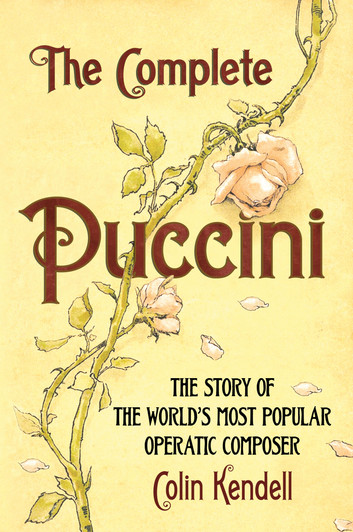
“The Complete Puccini: The Story of the World’s Most Popular Operatic Composer” by Colin Kendell offers readers an intimate portrait of Giacomo Puccini. This comprehensive biography explores the man behind opera’s most beloved melodies. Moreover, it reveals how his personal experiences shaped his timeless compositions. The book serves both seasoned opera lovers and curious newcomers alike.
Kendell’s work stands apart from typical musical biographies. Furthermore, it weaves together Puccini’s life story with detailed analysis of his compositions. Readers discover the emotional depth behind each aria and ensemble piece. Therefore, the book becomes both educational and deeply moving.
Giacomo Puccini’s Journey from Prodigy to Legend
Giacomo Puccini was born into a family of church musicians in Lucca, Italy. His early years showed remarkable promise and natural talent. However, his path to operatic greatness was not without obstacles. The young composer faced financial hardships and personal tragedies throughout his formative years.
Kendell traces Puccini’s development from student to professional composer with careful attention. Additionally, the author highlights key mentors who shaped his musical education. The Milan Conservatory years proved particularly transformative for the budding artist. Consequently, these experiences laid the foundation for his future masterworks.
The book examines how Puccini’s personality influenced his creative output. He possessed both charm and stubbornness in equal measure. Meanwhile, his relationships with librettists often proved contentious yet productive. These collaborations ultimately produced some of opera’s finest dramatic moments.
The Masterworks: Puccini’s Most Famous Operas
La Bohème: A Tale of Love and Loss
La Bohème remains one of the most performed operas worldwide. The story follows young bohemians struggling in 1830s Paris. Moreover, it captures the bittersweet nature of youth, love, and mortality. Puccini’s score perfectly mirrors the emotional journey of its characters.
Kendell explores how Puccini crafted each musical moment with deliberate care. The famous aria “Che gelida manina” showcases his gift for melody. Furthermore, the ensemble scenes demonstrate his mastery of dramatic pacing. The opera’s final act continues to move audiences to tears.
The book reveals Puccini’s compositional choices for this beloved work. He drew inspiration from Henri Murger’s novel “Scènes de la vie de bohème.” Additionally, he infused the score with authentic Parisian atmosphere. Therefore, the opera feels both intimate and universally relatable.
Tosca: Drama, Passion, and Political Intrigue
Tosca represents Puccini at his most dramatically intense. The opera unfolds over a single day in Rome during 1800. However, it contains enough passion and violence for an entire season. The three main characters face impossible moral choices throughout the narrative.
The book examines Tosca’s revolutionary approach to operatic storytelling. Puccini eliminated traditional scene changes and maintained relentless dramatic momentum. Moreover, he used the orchestra to heighten psychological tension. Consequently, audiences experience an almost cinematic level of engagement.
Kendell discusses the famous arias that have become concert staples:
- “Vissi d’arte” – Tosca’s prayer of despair
- “E lucevan le stelle” – Cavaradossi’s final meditation on love
- “Te Deum” – Scarpia’s chilling expression of power
These moments showcase Puccini’s ability to capture complex emotions in music. Furthermore, they demonstrate his understanding of the human voice’s expressive capabilities.
Madama Butterfly: East Meets West in Tragic Beauty
The Story Behind the Opera
Madama Butterfly tells the heartbreaking story of a Japanese geisha. She falls in love with an American naval officer named Pinkerton. However, he abandons her after their marriage ceremony. The opera explores themes of cultural misunderstanding and betrayal.
Puccini researched Japanese music extensively for this work. He incorporated authentic melodic elements into his Western operatic framework. Moreover, he consulted with Japanese performers to ensure cultural accuracy. Therefore, the score achieves a unique blend of musical traditions.
The book details the opera’s initially disastrous premiere in Milan. Nevertheless, Puccini revised the work extensively after that failure. The subsequent performances proved triumphantly successful. Consequently, Madama Butterfly became one of his most popular creations.
Musical Innovation and Emotional Depth
Kendell analyzes how Puccini used orchestration to represent different cultures. Western instruments play Pinkerton’s themes with bold confidence. Meanwhile, Japanese-inspired melodies feature delicate, pentatonic harmonies. This musical contrast reinforces the opera’s central conflict.
The famous aria “Un bel dì vedremo” showcases Butterfly’s unwavering hope. Puccini crafted this moment with extraordinary tenderness and beauty. Furthermore, the final scene’s tragic conclusion remains devastatingly effective. The composer’s empathy for his heroine shines through every note.
Turandot: The Unfinished Masterpiece
Puccini’s Final Opera
Turandot remained incomplete at the time of Puccini’s death in 1924. The opera tells a fairy tale set in ancient China. However, it contains surprisingly dark and violent elements. The story centers on a cold princess who executes her unsuccessful suitors.
The book explores why this particular project captivated Puccini’s imagination. He sought to create something more exotic and spectacular than before. Additionally, he wanted to push his harmonic language into new territories. Therefore, Turandot represents his most adventurous compositional effort.
Kendell discusses the famous aria “Nessun dorma,” sung by the prince Calaf. This piece has become one of opera’s most recognizable melodies. Moreover, it demonstrates Puccini’s undiminished gift for creating memorable tunes. The aria’s soaring climax never fails to thrill audiences.
Completion and Legacy
Franco Alfano completed the opera’s final scenes after Puccini’s death. However, many performances end where Puccini’s own music stops. The book examines various completions and their relative merits. Furthermore, it considers what Puccini might have intended for the ending.
Turandot showcases Puccini’s evolving musical style in his final years. He incorporated more modern harmonies and orchestral colors. Nevertheless, his fundamental gift for melody remained intact. Consequently, the opera bridges romantic and modern operatic traditions.
The Book’s Unique Approach to Biography
Music as the Central Narrative Thread
Kendell structures his biography around Giacomo Puccini’s compositions rather than chronology alone. Each chapter explores a major work in detail. Moreover, the author connects these operas to events in Puccini’s life. Therefore, readers understand how personal experience influenced artistic creation.
This approach makes the book accessible to readers without musical training. Kendell explains technical concepts in clear, straightforward language. Furthermore, he focuses on emotional content rather than complex theory. Consequently, the music comes alive even for those unfamiliar with opera.
The author includes insights from Puccini’s letters and personal documents. These primary sources reveal the composer’s thoughts during creation. Additionally, they show his relationships with collaborators and critics. Thus, readers gain intimate access to his creative world.
Exploring the Creative Process
The book dedicates significant attention to how Puccini actually composed. He worked slowly and revised extensively throughout his career. However, the final results always sound effortlessly natural and spontaneous. This paradox fascinated Kendell and drives much of his analysis.
Puccini’s method involved close collaboration with his librettists. He demanded specific dramatic situations that would inspire musical ideas. Moreover, he often requested multiple revisions to achieve perfect dramatic timing. Therefore, his operas achieve remarkable unity between words and music.
Kendell examines Puccini’s orchestration techniques in accessible terms. The composer used instrumental color to enhance dramatic moments. Furthermore, he understood how to support singers without overwhelming them. Consequently, his operas remain favorites among performers and audiences alike.
From Lucca to International Stardom
Early Influences and Education
Puccini’s family background provided both advantages and pressures. Five generations of Puccinis had served as church musicians in Lucca. However, young Giacomo showed more interest in opera than sacred music. This tension shaped his early development significantly.
The book describes his transformative experience attending a performance of Verdi’s Aida. This event convinced him to pursue operatic composition. Moreover, it established Verdi as both inspiration and intimidating predecessor. Therefore, Puccini spent years finding his own distinctive voice.
Kendell details Puccini’s studies at the Milan Conservatory under Antonio Bazzini. These years proved crucial for his technical development. Additionally, he formed important friendships with fellow musicians and writers. Thus, he built the professional network that supported his later career.
Breakthrough and Recognition
Puccini’s first major success came with “Manon Lescaut” in 1893. This opera established him as Verdi’s natural successor. Furthermore, it demonstrated his gift for creating sympathetic female characters. Consequently, publishers and opera houses began seeking his work eagerly.
The book explores how Puccini navigated the business side of opera. He proved shrewd in negotiating contracts and protecting his interests. Moreover, he understood the importance of publicity and critical reception. Therefore, he carefully managed his public image throughout his career.
Kendell discusses Puccini’s relationships with Italy’s leading music publishers. The Ricordi firm became his primary supporter and advocate. However, these relationships sometimes involved creative disagreements. Nevertheless, the partnerships ultimately benefited all parties involved.
Puccini’s Impact on Italian Opera
Continuing and Transforming Tradition
Puccini inherited the Italian operatic tradition from Verdi and earlier masters. However, he adapted this heritage to suit modern sensibilities. The book examines how he balanced tradition with innovation. Moreover, it shows his influence on subsequent generations of composers.
His operas maintained the primacy of beautiful vocal melody. Nevertheless, he expanded the orchestra’s dramatic role significantly. Furthermore, he incorporated influences from French and German opera. Consequently, his work represents a synthesis of European operatic traditions.
Kendell analyzes Puccini’s contribution to the verismo movement in Italian opera. This style emphasized realistic, contemporary subjects and emotions. However, Puccini never abandoned exotic settings or historical periods entirely. Therefore, his work transcends simple categorization within any single movement.
Global Popularity and Enduring Appeal
Puccini’s operas achieved international success during his lifetime. They continue to dominate opera house repertoires worldwide today. Moreover, his melodies have entered popular culture through films and recordings. Therefore, even people unfamiliar with opera recognize his music.
The book explores why Puccini’s work resonates across cultures and generations. His characters face universal human emotions and dilemmas. Additionally, his music communicates directly to listeners’ hearts. Thus, his operas require no special knowledge to appreciate emotionally.
Kendell discusses Puccini’s influence on musical theater and film composition. His dramatic pacing and emotional directness inspired later creators. Furthermore, his orchestration techniques influenced Hollywood’s golden age composers. Consequently, his impact extends far beyond the opera house.
Why This Book Matters
For Opera Enthusiasts
Seasoned opera lovers will find fresh insights into familiar masterpieces. Kendell’s analysis reveals details that deepen appreciation of Puccini’s craft. Moreover, the book contextualizes the operas within their historical moment. Therefore, readers gain richer understanding of works they already love.
The author includes information about performance history and notable interpreters. He discusses how different singers and conductors approach these roles. Furthermore, he examines how staging concepts have evolved over time. Consequently, the book serves as a comprehensive guide to Puccini performance.
Kendell addresses ongoing debates within the opera community about Puccini’s legacy. Some critics dismiss his work as overly sentimental or manipulative. However, the author makes a compelling case for his artistic integrity. Therefore, readers can form their own informed opinions.
For General Readers and Newcomers
The book requires no prior knowledge of opera or music theory. Kendell writes in clear, engaging prose that welcomes curious readers. Moreover, he conveys genuine enthusiasm for his subject throughout. Therefore, newcomers will find themselves drawn into Puccini’s world.
The biographical elements provide fascinating insights into early twentieth-century European culture. Puccini’s life intersected with major historical events and artistic movements. Additionally, his personal story contains drama worthy of his own operas. Thus, the book works as both biography and cultural history.
Kendell includes practical guidance for those interested in exploring Puccini’s operas. He recommends specific recordings and performances for each work. Furthermore, he suggests how to approach listening for maximum enjoyment. Consequently, readers gain tools for beginning their own operatic journey.
The Complete Picture of a Complex Artist
Personal Life and Relationships
The book doesn’t shy away from Puccini’s personal flaws and controversies. He could be difficult, demanding, and sometimes cruel to those around him. However, Kendell presents these aspects with nuance and context. Therefore, readers encounter a fully human portrait rather than hagiography.
Puccini’s marriage to Elvira Bonturi involved both devotion and turbulence. The couple faced scandals and tragedies throughout their relationship. Moreover, Puccini’s infidelities caused significant pain and conflict. Nevertheless, their bond endured until his death.
Kendell explores how Puccini’s relationships with women influenced his operatic heroines. He created some of opera’s most memorable and sympathetic female characters. Furthermore, he understood feminine psychology with remarkable depth. Consequently, his operas often center on women’s experiences and emotions.
Artistic Struggles and Doubts
Despite his success, Puccini suffered from chronic self-doubt and insecurity. He agonized over every compositional decision and revision. Moreover, he feared that each new opera might prove his last success. Therefore, the creative process often caused him significant anxiety.
The book examines periods when Puccini struggled to find suitable subjects. He rejected numerous librettos and abandoned several projects. Additionally, he sometimes worked on multiple operas simultaneously. Thus, his creative process was far from smooth or predictable.
Kendell discusses Puccini’s relationship with critics and intellectual opinion. Some dismissed his work as merely popular entertainment. However, audiences consistently embraced his operas with enthusiasm. Therefore, he navigated the tension between critical respect and popular success.
Conclusion: A Definitive Portrait
“The Complete Puccini” by Colin Kendell offers the most comprehensive examination available. The book succeeds in making Puccini’s life and work accessible to all readers. Moreover, it provides depth and insight that will satisfy serious scholars. Therefore, it deserves a place on every opera lover’s bookshelf.
Kendell’s approach through the music itself proves particularly effective and engaging. Readers come away understanding not just what Puccini composed but why it matters. Furthermore, they gain tools for deeper appreciation of operatic art generally. Consequently, the book serves as both specific biography and general introduction.
The author’s evident passion for his subject shines through every page. He makes a convincing case for Puccini’s enduring importance and relevance. Moreover, he demonstrates how these operas continue speaking to contemporary audiences. Therefore, readers will likely seek out performances after finishing the book.
This volume fills an important gap in English-language opera literature. It combines scholarly rigor with readable, engaging prose. Additionally, it balances musical analysis with human interest and historical context. Thus, it achieves the difficult goal of serving multiple audiences simultaneously.
For anyone curious about opera’s power to move and inspire, this book provides answers. It shows how one composer captured universal human experiences in unforgettable music. Moreover, it demonstrates why Giacomo Puccini remains the world’s most popular operatic composer. Therefore, “The Complete Puccini” stands as an essential contribution to musical biography.




Reviews
There are no reviews yet.