

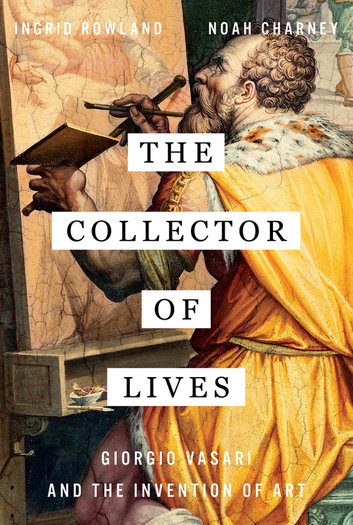
Description
The Collector of Lives: Giorgio Vasari Biography Reveals the Birth of Art History
This Giorgio Vasari biography explores how one Renaissance man invented art history itself. Authors Ingrid Rowland and Noah Charney bring Vasari’s extraordinary story to life. The book earned a 2017 Pulitzer Prize nomination for Biography. Moreover, it reveals how we came to understand and appreciate art today.
Giorgio Vasari lived from 1511 to 1574 in Renaissance Italy. He worked as a painter, architect, sculptor, and writer simultaneously. However, his greatest achievement was creating the first comprehensive art history book. Therefore, Vasari became the father of art historical scholarship and criticism.
The authors examine Vasari’s multifaceted career with remarkable depth and clarity. Furthermore, they show how his personal relationships shaped his historical writings. This work transforms our understanding of Renaissance culture and artistic practice.
Vasari’s Revolutionary Lives of the Artists
Vasari published “Lives of the Most Excellent Painters, Sculptors, and Architects” in 1550. This groundbreaking work profiled over 200 Italian artists from his era. In addition, he revised and expanded the book in 1568. His biographies established the framework for all future art history writing.
The Giorgio Vasari biography by Rowland and Charney explains his innovative methodology. Vasari traveled throughout Italy to research his subjects personally and thoroughly. He interviewed living artists and examined their works directly whenever possible. Moreover, he collected anecdotes, letters, and documents to support his narratives.
His writing style combined factual information with entertaining storytelling and gossip. Therefore, his book appealed to both scholars and general readers alike. Vasari created vivid portraits of artistic personalities and their creative processes. Yet, he also analyzed their techniques, innovations, and contributions to art.
The authors reveal how Vasari shaped our perception of Renaissance masters. His accounts of Michelangelo, Leonardo da Vinci, and Raphael remain influential today. However, modern scholars recognize that Vasari sometimes embellished or invented details. Nevertheless, his work provides invaluable insights into Renaissance artistic culture and practice.
The Man Behind the Masterwork: Vasari’s Life and Career
This Giorgio Vasari biography illuminates the author’s own remarkable artistic achievements. Vasari designed the Uffizi Gallery in Florence, one of history’s greatest museums. In addition, he painted frescoes in the Palazzo Vecchio and other buildings. His architectural projects transformed the urban landscape of Renaissance Florence significantly.
Rowland and Charney explore Vasari’s complex relationships with powerful patrons and rulers. He served the Medici family with unwavering loyalty throughout his career. Therefore, he gained access to commissions, resources, and influential social circles. Yet, this dependence also constrained his artistic freedom and political independence.
The book examines Vasari’s personality, ambitions, and personal struggles in detail:
- Political savvy: Navigating dangerous court politics and rivalries successfully
- Artistic versatility: Excelling in multiple disciplines including painting and architecture
- Social climbing: Rising from modest origins to elite Renaissance society
- Diplomatic skills: Managing relationships with temperamental artists and demanding patrons
- Literary talent: Combining historical research with engaging narrative storytelling
Moreover, the authors show how Vasari’s own artistic practice informed his writing. His technical knowledge allowed him to analyze other artists’ methods accurately. Furthermore, his professional experiences gave him unique insights into creative processes. This combination of practical expertise and scholarly research made his biographies exceptional.
How Vasari Invented Art History as a Discipline
Before Vasari, no comprehensive history of visual arts existed in any culture. Artists were considered craftsmen rather than intellectual creators or cultural heroes. However, Vasari elevated artists to the status of poets and philosophers. Therefore, he fundamentally changed how society valued and understood artistic achievement.
The Giorgio Vasari biography explains his revolutionary conceptual framework for understanding art. Vasari organized artists into three progressive periods or generations of development. He argued that art had declined after ancient Rome’s fall. Yet, it experienced rebirth and improvement during the Renaissance period he witnessed.
This narrative of decline and rebirth shaped art historical thinking for centuries. Moreover, Vasari introduced the concept of artistic genius and individual style. He analyzed how each artist contributed unique innovations to their field. In addition, he traced influences and connections between different artists and schools.
Rowland and Charney demonstrate how Vasari created the vocabulary of art criticism. Terms like “design,” “manner,” and “grace” gained specific technical meanings through him. Furthermore, he established criteria for evaluating and comparing artistic quality objectively. These analytical tools remain fundamental to art historical scholarship today.
The authors also examine Vasari’s biases and limitations as a historian. He favored Florentine artists over those from other Italian regions consistently. Moreover, he sometimes distorted facts to support his theoretical arguments and narratives. Yet, his pioneering work laid the foundation for all subsequent art history.
Why This Biography Matters for Contemporary Readers
This Giorgio Vasari biography offers crucial insights for understanding Western cultural heritage. Vasari’s work shaped how museums organize collections and present art today. Therefore, his influence extends far beyond academic art history into popular culture. Moreover, his biographical approach to understanding creativity remains relevant and influential.
Rowland and Charney write with clarity, wit, and scholarly rigor throughout. They make Renaissance Italy accessible to modern readers without oversimplifying complexities. Furthermore, they balance admiration for Vasari with critical analysis of his methods. This nuanced approach creates a fair and comprehensive portrait of their subject.
The book appeals to multiple audiences including art lovers and history enthusiasts. Scholars will appreciate the thorough research and fresh interpretations presented here. However, general readers will enjoy the engaging narrative and colorful historical details. The authors successfully bridge academic scholarship and popular biography writing seamlessly.
Contemporary artists and writers can learn valuable lessons from Vasari’s career. He demonstrated how to balance creative work with historical documentation effectively. Moreover, he showed how networking and patronage relationships advance professional success. Yet, he also revealed the costs of compromising artistic integrity for security.
The biography reminds us that our understanding of history is always constructed. Vasari didn’t simply record facts; he actively shaped how we perceive Renaissance art. Therefore, readers gain awareness of how historical narratives are created and transmitted. This critical perspective helps us evaluate all historical accounts more thoughtfully.
Conclusion: A Definitive Portrait of Art History’s Founder
Rowland and Charney have created the definitive modern biography of Giorgio Vasari. Their work combines meticulous scholarship with accessible, engaging prose throughout the narrative. Moreover, they illuminate both Vasari’s achievements and his historical context brilliantly. The book deserved its Pulitzer Prize nomination for exceptional biographical writing.
This volume belongs on the shelves of anyone interested in Renaissance culture. It reveals how one man’s vision transformed our relationship with visual art. Furthermore, it demonstrates the power of biographical writing to preserve cultural memory. Vasari collected the lives of artists; Rowland and Charney have collected his.
The legacy of Giorgio Vasari continues to influence how we experience art today. His pioneering work made art history possible as an academic discipline. Therefore, every museum visit and art appreciation course owes him a debt. This biography ensures that his own remarkable life receives the recognition it deserves.





Reviews
There are no reviews yet.