

Description
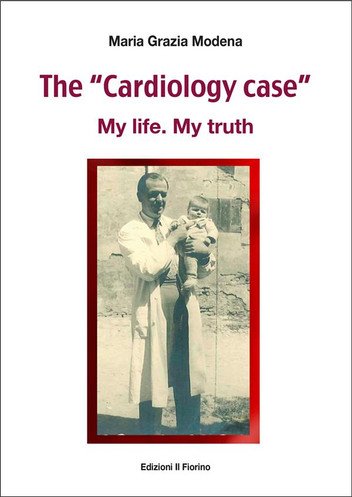
The “Cardiology Case” – My Life. My Truth: A Comprehensive Synopsis of Maria Grazia Modena’s Powerful Memoir
Introduction: Understanding the Cardiology Case
“The ‘Cardiology case’ – My life. My truth” by Maria Grazia Modena tells a compelling personal story. This memoir reveals the challenges faced by a pioneering woman cardiologist. Through exploring professional struggles and personal resilience in the medical field, readers gain insight into both medicine and gender discrimination.
Maria Grazia Modena shares her journey through Italy’s cardiology world, yet her story extends beyond medical practice. Throughout her career, she has confronted institutional barriers and professional obstacles. As a result, this memoir serves as both testimony and inspiration.
The Author: Maria Grazia Modena’s Background
Maria Grazia Modena built a distinguished career in cardiology at prestigious Italian medical institutions. She contributed significantly to cardiovascular research and patient care, earning respect from both colleagues and patients.
Yet her professional journey wasn’t without significant challenges. As a woman in a male-dominated field, Modena faced discrimination and obstacles that male colleagues never experienced. These difficulties set the stage for the events described in her memoir.
What Is the Cardiology Case?
The “cardiology case” refers to a professional controversy that shaped Modena’s career. This situation involved institutional conflicts and workplace disputes, raising questions about fairness and professional treatment. Ultimately, the case became a defining moment in her life.
Modena uses this memoir to present her perspective on these events. She provides detailed accounts of what transpired during this difficult period. Furthermore, she provides evidence and documentation to support her version of events. Therefore, readers can understand the full context of the situation.
My Life My Truth: A Personal Testimony
This book represents Modena’s effort to reclaim her narrative after years of silence. She wanted to document her experiences for future generations, and her testimony serves purposes beyond personal catharsis.
The memoir combines professional history with deeply personal reflections. Modena writes with honesty and vulnerability, allowing readers to connect with her story. She does not shy away from difficult emotions or painful memories, which makes the book resonate on both intellectual and emotional levels.
Early Career and Professional Development
Modena’s early career was marked by dedication to advanced training in cardiovascular medicine and exceptional commitment to patient care. These early years laid the foundation for her future achievements.
Even during her formative years, Modena noticed gender disparities. Male colleagues often received preferential treatment, and women doctors faced skepticism from patients and peers. Still, Modena persevered despite these systemic challenges.
Breaking Barriers in Cardiology
Women cardiologists were rare when Modena entered the field, requiring her to work harder to prove her expertise and navigate gender-based biases. These barriers demanded constant resilience.
Modena’s achievements in cardiology demonstrate her determination and skill. She published research, treated countless patients, and mentored younger doctors, all while contributing to cardiovascular medicine in Italy. Consequently, her professional legacy extends beyond the controversy.
The Cardiology Case: What Happened
The memoir details the specific events that made up the “cardiology case.” Modena describes escalating workplace conflicts and explains how institutional dynamics contributed to the situation. The case involved multiple parties and complex relationships.
She provides her account of meetings, decisions, and communications. Because she kept detailed records, she can support her narrative with evidence. Furthermore, she explains how the situation affected her professionally and personally. Consequently, readers gain a comprehensive understanding of the controversy.
Institutional Challenges and Workplace Dynamics
Italian medical institutions operate within specific cultural and professional contexts. Modena explores how these contexts shaped her experiences. Moreover, she examines power structures within academic medicine. These institutional factors played crucial roles in her story.
Workplace dynamics in cardiology departments can be particularly complex. Because these are high-pressure environments, conflicts sometimes arise. Furthermore, hierarchies and politics significantly influence professional relationships. Yet Modena argues that her situation went beyond normal workplace tensions.
Gender Discrimination in Medicine
The memoir addresses broader issues of gender discrimination in medicine. Modena’s experiences reflect patterns that many women doctors face. Moreover, she documents specific instances of unequal treatment. These examples illustrate systemic problems within medical institutions.
Women in cardiology face particular challenges in male-dominated subspecialties. Because cardiovascular medicine has traditionally been masculine territory, women encounter resistance. Furthermore, stereotypes about women’s capabilities persist despite evidence to the contrary. Therefore, Modena’s story resonates with many female physicians.
My Life My Truth: Personal Impact
The professional controversy took a significant personal toll on Modena. She describes the emotional and psychological effects of the ordeal. Moreover, she shares how the situation affected her family and relationships. The personal cost extended far beyond her career.
However, Modena also found strength and purpose through this challenge. Because she refused to be silenced, she discovered her own resilience. Furthermore, she connected with others who faced similar injustices. Consequently, her personal growth emerged from professional adversity.
Key Themes in the Memoir
Several important themes emerge throughout “The ‘Cardiology case’ – My life. My truth”:
- Truth and justice: The importance of speaking truth despite consequences
- Gender equality: Ongoing struggles for women in medicine
- Institutional accountability: How organizations must address discrimination
- Personal resilience: Finding strength during professional crises
- Professional integrity: Maintaining ethical standards under pressure
These themes interconnect throughout Modena’s narrative, giving the memoir relevance beyond her individual story. In doing so, they address universal issues in medicine and professional life.
The Legal and Professional Aftermath
Modena discusses the legal and professional consequences of the cardiology case. She explains how the situation unfolded through official channels. Moreover, she describes her efforts to seek justice and vindication. The aftermath involved lengthy processes and continued challenges.
The case affected both her career trajectory and professional reputation. Controversies like these change colleagues’ perceptions, leading to ongoing difficulties for Modena. Despite this, she navigated complex institutional politics and remained committed to clearing her name.
Support and Solidarity
Throughout her ordeal, Modena received support from various sources. Some colleagues stood by her despite institutional pressure. Moreover, patients and former students expressed their confidence in her abilities. This solidarity provided crucial emotional sustenance during difficult times.
However, she also experienced isolation and abandonment from some quarters. Because taking sides in institutional conflicts carries risks, some people choose to distance themselves. Furthermore, fear of professional repercussions silenced potential allies. Therefore, Modena learned difficult lessons about loyalty and courage.
The Writing Process and Purpose
Modena explains why she decided to write this memoir. She felt compelled to document her truth for the historical record. Moreover, she wanted to help others facing similar situations. The writing process itself became therapeutic and empowering.
Creating the book required revisiting painful memories and experiences. Because reliving trauma can be difficult, the writing demanded emotional courage. Furthermore, she had to organize complex events into a coherent narrative. Yet the result provides valuable testimony and insight.
Lessons for the Medical Profession
The memoir offers important lessons for medical institutions and professionals. It highlights the need for fair treatment and due process. Moreover, it demonstrates the costs of institutional failures. These lessons remain relevant for contemporary medical practice.
Medical organizations must address gender discrimination and workplace conflicts effectively. Because ignoring these issues harms individuals and institutions alike, action is necessary. Furthermore, transparent processes protect both accused and accusers. Therefore, Modena’s story should prompt institutional reflection and reform.
Impact on Women in Cardiology
Modena’s memoir resonates particularly with women cardiologists and medical students. Her experiences validate their own observations and challenges. Moreover, her courage in speaking out inspires others to share their stories. The book contributes to ongoing conversations about gender in medicine.
Women entering cardiology today still face many obstacles, Modena describes. Because systemic change happens slowly, persistent advocacy remains necessary. Furthermore, individual stories like Modena’s help document patterns of discrimination. Consequently, her memoir serves as both a warning and an encouragement.
The Broader Context of Medical Ethics
The cardiology case raises important questions about medical ethics and professionalism. It explores how institutions should handle conflicts and complaints. Moreover, it examines the responsibilities of medical leaders and administrators. These ethical dimensions extend beyond Modena’s individual situation.
Medical ethics require fairness, transparency, and accountability in professional matters. Because doctors hold positions of trust and authority, higher standards apply. Furthermore, institutions must protect both patients and practitioners. Therefore, Modena’s story illuminates gaps between ideals and reality.
Personal Reflections and Growth
Throughout the memoir, Modena shares personal reflections on her journey. She discusses how the experience changed her perspective and priorities. Moreover, she explores what she learned about herself and others. These reflections add depth to the factual narrative.
The ordeal forced Modena to confront difficult truths about institutions and people. Because adversity reveals character, she gained insights into human nature. Furthermore, she discovered her own capacity for resilience and determination. Consequently, personal growth emerged from a professional crisis.
The Role of Documentation and Evidence
Modena emphasizes the importance of maintaining detailed records and documentation. Her ability to support her claims depended on the evidence she preserved. Moreover, documentation proved crucial in legal and professional proceedings. This practical lesson applies to anyone facing workplace conflicts.
Keeping records protects individuals when disputes arise or accusations surface. Because memories fade and facts become disputed, contemporary documentation matters. Furthermore, written evidence carries more weight than verbal testimony alone. Therefore, Modena advises others to carefully document their professional experiences.
My Life My Truth: Reclaiming the Narrative
The memoir’s subtitle, “My life. My truth,” reflects Modena’s determination to control her story. Others had defined her through the controversy and institutional narratives. However, this book allows her to present her perspective directly. Reclaiming her narrative represents an act of empowerment.
She refuses to let the cardiology case define her entire career and identity. Because she accomplished much beyond this controversy, she wants recognition for her contributions. Furthermore, she insists on being heard in her own voice. Therefore, the memoir serves as both defense and declaration.
Reception and Response
The book generated significant discussion within Italian medical communities. Some readers praised Modena’s courage in speaking out publicly. Moreover, others questioned aspects of her account or interpretation. The varied responses reflect the controversy’s complexity and sensitivity.
Medical professionals debated the issues raised in the memoir. Because the book touches on systemic problems, it sparked broader conversations. Furthermore, it encouraged other women to share their experiences. Consequently, Modena’s memoir contributed to the ongoing dialogue about medical workplace culture.
Advice for Future Generations
Modena offers guidance to young doctors, especially women entering cardiology. She encourages them to pursue their passions despite obstacles. Moreover, she advises them to build support networks and document their work. Her hard-won wisdom provides practical guidance for navigating medical careers.
She urges future generations to speak up against injustice and discrimination. Because silence perpetuates systemic problems, voices of dissent matter. Furthermore, she emphasizes the importance of solidarity among women professionals. Therefore, her memoir serves as both a cautionary tale and an inspirational guide.
The Cardiology Case and Institutional Reform
Modena hopes her story will prompt institutional changes in medical organizations. She advocates for better policies addressing workplace conflicts and discrimination. Moreover, she calls for transparent processes and accountability mechanisms. These reforms could prevent others from experiencing similar ordeals.
Medical institutions must create cultures that support fairness and respect. Because toxic workplace environments harm patient care and professional development, change is essential. Furthermore, institutions should protect whistleblowers and those reporting misconduct. Therefore, Modena’s memoir provides a roadmap for necessary reforms.
Conclusion: The Lasting Impact of My Life, My Truth
“The ‘Cardiology case’ – My life. My truth” stands as powerful testimony. Maria Grazia Modena courageously shares her professional and personal journey. Moreover, she illuminates important issues affecting women in medicine today. Her memoir deserves attention from medical professionals and general readers alike.
The book transcends one individual’s story to address systemic problems. Because Modena’s experiences reflect broader patterns, her testimony carries wider significance. Furthermore, her courage in speaking out inspires others facing similar challenges. Therefore, this memoir contributes meaningfully to conversations about gender and medicine.
Modena’s decision to write this book required tremendous bravery and determination. She risked professional relationships and reputation to share her truth. Moreover, she endured the pain of revisiting traumatic experiences. Yet her willingness to be vulnerable serves a greater purpose.
The cardiology case profoundly affected Modena, but it doesn’t define her entirely. Because she accomplished much throughout her career, she deserves recognition beyond controversy. Furthermore, her contributions to cardiology and patient care merit acknowledgment. Consequently, readers should understand her full professional legacy.
This memoir offers valuable lessons for medical institutions and individual practitioners. It demonstrates the human costs of institutional failures and discrimination. Moreover, it shows the importance of speaking the truth despite personal risk. These lessons remain urgently relevant for contemporary medicine.
Women in cardiology and other medical specialties will find validation in Modena’s story. Her experiences mirror the challenges they face in their own careers. Furthermore, her resilience inspires perseverance in the face of obstacles. Therefore, the memoir serves as both a mirror and a beacon.
“The ‘Cardiology case’ – My life. My truth” ultimately celebrates human resilience and integrity. Modena refused to be silenced or defined by others’ narratives. Moreover, she maintained her commitment to truth and justice throughout her ordeal. Her story reminds us that speaking truth requires courage but serves essential purposes.



Reviews
There are no reviews yet.