

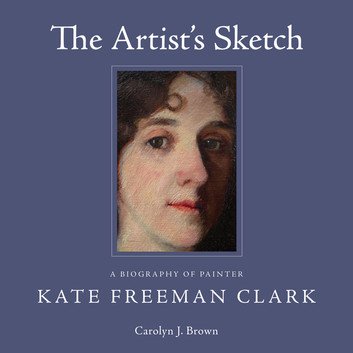
Description
Kate Freeman Clark: The Artist’s Sketch – A Hidden Master Revealed
Introduction: Discovering Kate Freeman Clark
Kate Freeman Clark (1875-1957) lived one of American art’s most mysterious double lives. Moreover, this Mississippi-born painter spent nearly three decades mastering her craft in New York. She studied under renowned artist William Merritt Chase and other world-class masters. Additionally, she created over 1,200 paintings that remained hidden until her death.
Carolyn J. Brown’s “The Artist’s Sketch” brings Kate Freeman Clark out of obscurity. Furthermore, this thoroughly researched biography reveals an extraordinary artistic journey. The book explores why a talented painter abandoned her career at its peak. Therefore, readers discover a fascinating story of art, ambition, and Southern tradition.
Kate Freeman Clark: A Mississippi Artist’s Origins
Kate Freeman Clark was born in Holly Springs, Mississippi, on September 3, 1875. Moreover, she grew up in a prominent Southern family with deep roots. Her father, Edward Clark, provided her with opportunities unusual for women then. Additionally, her upbringing split between Mississippi and New York City shaped her worldview.
Holly Springs represented tradition, family, and Southern gentility for young Kate. Furthermore, the small Mississippi town offered security and social standing. However, it could not satisfy her growing artistic ambitions and creative hunger. Therefore, she looked northward to pursue her passion for painting seriously.
Her privileged background enabled her to study art professionally and extensively. Moreover, few women of her era received such educational opportunities. Kate Freeman Clark seized this chance to develop her considerable natural talent. Consequently, she embarked on a journey that would transform her into an accomplished painter.
Twenty-Nine Years in New York’s Art World
Kate Freeman Clark spent 29 years immersed in New York’s vibrant art scene. Moreover, she arrived during American Impressionism’s golden age and creative flowering. The city offered world-class instruction, galleries, and fellow artists pursuing similar dreams. Additionally, New York provided freedom from small-town expectations and social constraints.
She enrolled in prestigious art schools and studied under celebrated masters. Furthermore, she dedicated herself completely to mastering painting techniques and artistic vision. Her commitment to her craft was absolute and unwavering throughout these decades. Therefore, she developed into a skilled and sophisticated painter with distinctive style.
New York’s cultural richness exposed Kate Freeman Clark to diverse artistic movements. Moreover, she attended exhibitions, visited museums, and engaged with contemporary art debates. These experiences shaped her aesthetic sensibilities and technical approaches to painting. Consequently, her work reflected both traditional training and modern artistic innovations.
Studying Under William Merritt Chase
William Merritt Chase became Kate Freeman Clark’s most influential teacher and mentor. Moreover, Chase ranked among America’s most respected painters and beloved instructors. He taught at the Art Students League and his own Chase School. Additionally, his plein air painting approach profoundly influenced Kate’s artistic development.
Chase emphasized painting outdoors directly from nature with fresh, immediate observation. Furthermore, he encouraged students to capture light, atmosphere, and spontaneous visual impressions. His teaching methods stressed technical excellence combined with personal artistic expression. Therefore, Kate Freeman Clark absorbed both his skills and his artistic philosophy.
Under Chase’s tutelage, she painted earth-toned figure studies and beautiful still lifes. Moreover, she excelled at plein air landscapes that captured nature’s changing moods. Her work demonstrated the master’s influence while developing her own distinctive voice. Consequently, her paintings became tributes to Chase’s teaching and her own considerable talent.
Kate Freeman Clark’s Artistic Achievements and Exhibitions
Kate Freeman Clark exhibited her work widely throughout the northeastern United States. Moreover, she gained recognition in impressive venues and received positive critical attention. Her paintings appeared in galleries alongside other accomplished American Impressionist artists. Additionally, she built a reputation as a serious, talented painter during this period.
Her artistic output was remarkably prolific throughout her New York years. Furthermore, she created hundreds of paintings exploring various subjects and techniques. Landscapes dominated her work, especially scenes painted outdoors in natural light. Therefore, she developed a substantial body of work demonstrating consistent quality and vision.
Kate Freeman Clark’s paintings showcased her mastery of Impressionist techniques and approaches. Moreover, she captured light effects, atmospheric conditions, and natural beauty with skill. Her work reflected both her rigorous training and her genuine artistic sensibility. Consequently, she earned respect from teachers, peers, and critics in competitive art circles.
The Mystery: Why Kate Freeman Clark Stopped Painting
In 1924, Kate Freeman Clark made a shocking decision that puzzled everyone. Moreover, she abruptly ended her painting career and returned permanently to Holly Springs. She was only 49 years old and at the height of her artistic powers. Additionally, she never publicly explained why she abandoned the art world completely.
Several factors may have contributed to her mysterious withdrawal from painting. Furthermore, the art market faced challenges, and personal circumstances may have influenced her. Some scholars suggest family obligations or romantic disappointments played roles in her decision. However, the exact reasons remain unclear and subject to historical speculation.
After returning to Mississippi, Kate Freeman Clark lived quietly as a typical Southern lady. Moreover, few townspeople knew about her extensive artistic training and accomplishments. She settled into Freeman Place, her ancestral home, and embraced conventional life. Therefore, her remarkable artistic past remained hidden from her Holly Springs neighbors.
Carolyn J. Brown’s biography carefully examines this pivotal turning point in Kate’s life. Furthermore, the book explores possible explanations while acknowledging the enduring mystery. Brown provides context about women artists’ challenges during this era and period. Consequently, readers gain insights into the complex factors that may have influenced Kate’s choice.
The Astonishing Discovery After Her Death
Kate Freeman Clark died on March 3, 1957, at age 81. Moreover, her death revealed an astonishing secret that shocked Holly Springs completely. Townspeople discovered she had created over 1,200 paintings and drawings throughout her career. Additionally, she had preserved this entire collection in her home for decades.
Even more remarkably, Kate Freeman Clark left specific instructions in her will. Furthermore, she bequeathed all her artwork to her beloved hometown of Holly Springs. She also left her home and funds to build a museum. Therefore, she ensured her artistic legacy would benefit future generations of Mississippians.
The discovery transformed how people understood this quiet, unassuming woman they had known. Moreover, it revealed the extraordinary double life she had lived so privately. The paintings demonstrated her exceptional talent and dedication to her artistic craft. Consequently, Kate Freeman Clark’s reputation was established posthumously through her generous gift.
Kate Freeman Clark’s Artistic Legacy and Style
Kate Freeman Clark’s paintings reveal a masterful command of Impressionist techniques. Moreover, her work features beautiful plein air landscapes painted with sensitivity and skill. She captured Mississippi and northeastern scenes with equal facility and artistic vision. Additionally, her paintings demonstrate sophisticated understanding of light, color, and composition.
Her artistic style reflects several key characteristics and approaches:
- Plein Air Landscapes: Outdoor scenes painted directly from nature with fresh immediacy
- Impressionist Techniques: Loose brushwork, vibrant color, and atmospheric light effects
- Figure Studies: Earth-toned portraits showing her academic training and technical skill
- Still Life Compositions: Carefully arranged objects painted with attention to form and light
- Seasonal Variations: Landscapes capturing different times of year and weather conditions
The paintings showcase both her rigorous training and her personal artistic sensibility. Furthermore, they demonstrate consistent quality across her prolific 29-year career in New York. Her work stands alongside other accomplished American Impressionists from that era. Therefore, Kate Freeman Clark deserves recognition as a significant regional and national artist.
The Kate Freeman Clark Art Gallery
The Kate Freeman Clark Art Gallery opened in Holly Springs following her bequest. Moreover, it houses the remarkable collection of over 1,200 works she created. The gallery occupies a special place in Mississippi’s cultural landscape and heritage. Additionally, it serves as a museum of fine and social arts as she intended.
Visitors to the gallery encounter an artist previously unknown to most people. Furthermore, they discover a treasure trove of beautiful paintings spanning multiple decades. The collection offers insights into American Impressionism and women artists’ experiences during that period. Therefore, the gallery fulfills Kate Freeman Clark’s vision of sharing art with her community.
The gallery preserves her legacy and introduces her work to new generations. Moreover, it provides educational opportunities and cultural enrichment for Holly Springs and beyond. Exhibitions, programs, and research continue expanding understanding of her artistic contributions. Consequently, Kate Freeman Clark’s posthumous gift keeps giving to her hometown and art lovers.
Carolyn J. Brown’s Biographical Approach
Carolyn J. Brown brings meticulous research and engaging storytelling to this important biography. Moreover, she spent years investigating Kate Freeman Clark’s life through archives and sources. Her work as a writer, editor, and independent scholar prepared her perfectly. Additionally, she combines scholarly rigor with accessible writing that reaches general readers.
Brown’s biography fills a significant gap in American art history and scholarship. Furthermore, she rescues Kate Freeman Clark from obscurity and establishes her rightful place. The book examines both the artist’s accomplishments and the mysteries surrounding her. Therefore, readers gain comprehensive understanding of this fascinating, complex woman and her work.
The author explores the social context that shaped Kate Freeman Clark’s choices. Moreover, she examines challenges facing women artists during the late 19th and early 20th centuries. Brown provides insights into class, gender, and regional identity’s influence on artistic careers. Consequently, the biography offers valuable perspectives on American art and cultural history.
Why This Biography Matters Today
“The Artist’s Sketch” addresses important questions about women artists and historical recognition. Moreover, it demonstrates how talented artists can be forgotten despite significant accomplishments. Kate Freeman Clark’s story reveals the challenges women faced pursuing professional artistic careers. Additionally, it shows how regional artists contributed to American art’s development and richness.
The biography encourages readers to reconsider assumptions about Southern culture and artistic production. Furthermore, it proves that significant art was created outside major metropolitan centers. Kate Freeman Clark’s Mississippi roots and New York training created unique artistic perspective. Therefore, her story enriches our understanding of American art’s diversity and complexity.
Brown’s work also highlights the importance of preserving and studying regional art collections. Moreover, it demonstrates how one person’s legacy can transform a community’s cultural life. The Kate Freeman Clark Art Gallery stands as testament to art’s enduring power. Consequently, this biography inspires appreciation for hidden artistic treasures and forgotten masters.
Who Should Read This Book
Art historians and scholars will find “The Artist’s Sketch” essential and illuminating reading. Moreover, the book provides thoroughly researched documentation of an overlooked American Impressionist painter. Students of women’s history gain insights into female artists’ experiences and obstacles. Additionally, anyone interested in Southern culture and Mississippi history will appreciate this story.
Readers fascinated by artistic biographies and creative lives will enjoy Brown’s engaging narrative. Furthermore, the book appeals to those who love mysteries and unexpected discoveries. Art enthusiasts seeking to learn about American Impressionism will find valuable information here. Therefore, the biography serves both specialized scholars and general readers successfully.
You don’t need extensive art knowledge to appreciate Kate Freeman Clark’s remarkable story. Moreover, Brown’s accessible writing makes complex topics understandable and interesting for everyone. Anyone curious about hidden talents and posthumous recognition will find this compelling. Consequently, “The Artist’s Sketch” reaches diverse audiences with its fascinating subject and excellent storytelling.
Conclusion: Kate Freeman Clark’s Enduring Impact
“The Artist’s Sketch: A Biography of Painter Kate Freeman Clark” rescues an important artist from obscurity. Moreover, Carolyn J. Brown’s thoroughly researched biography reveals a fascinating life of artistic achievement. The book documents how Kate Freeman Clark mastered her craft under world-class teachers. Additionally, it explores the mystery of why she abandoned painting at her career’s peak.
Kate Freeman Clark’s legacy lives on through the gallery bearing her name today. Furthermore, her generous bequest ensures that future generations can appreciate her considerable talent. Her story demonstrates that artistic excellence can flourish in unexpected places and circumstances. Therefore, studying her life and work enriches American art history significantly and meaningfully.
This beautifully written biography deserves attention from everyone interested in American art and culture. Moreover, it provides essential documentation of a significant regional artist’s life and contributions. Brown’s work ensures that Kate Freeman Clark receives the recognition she deserves finally. Consequently, “The Artist’s Sketch” makes vital contributions to art history, women’s studies, and Southern cultural scholarship.





Reviews
There are no reviews yet.