

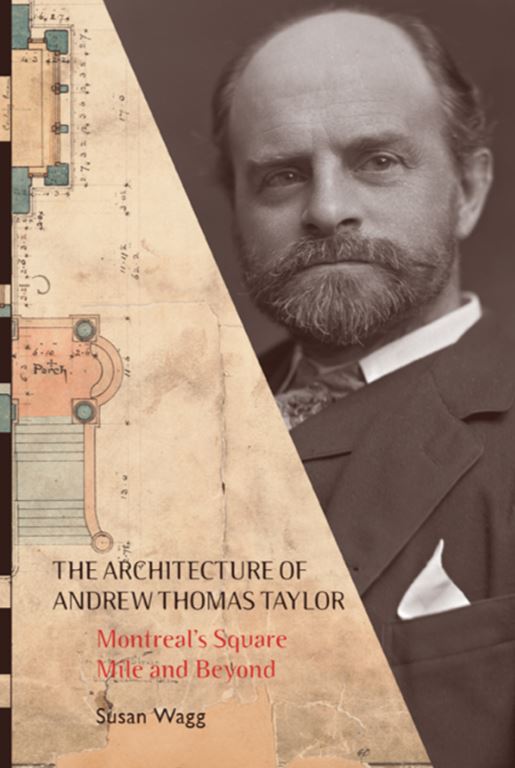
Description
Andrew Thomas Taylor: Master Architect of Montreal’s Golden Square Mile
Introduction to Andrew Thomas Taylor’s Architectural Legacy
Andrew Thomas Taylor stands as one of Montreal’s most influential architects of the late 19th century. His remarkable buildings shaped the city’s prestigious Square Mile neighborhood. Moreover, Andrew Thomas Taylor’s designs extended far beyond this wealthy enclave.
His work defined an era of architectural excellence in Canadian history. Furthermore, his legacy continues to inspire architects and historians today. This comprehensive e-book by Susan Wagg explores his extraordinary contributions to Montreal’s built environment.
The Square Mile: Canvas for Architectural Brilliance
The Square Mile represented Montreal’s wealthiest neighborhood during Taylor’s career. Consequently, it attracted the city’s most ambitious architectural projects. Andrew Thomas Taylor received numerous commissions from prominent families and institutions. His buildings transformed this district into an architectural showcase. Additionally, these structures reflected the aspirations of Montreal’s elite society. The neighborhood became synonymous with wealth, power, and refined taste.
Andrew Thomas Taylor’s Distinctive Architectural Style
Taylor’s architectural approach blended several influential styles seamlessly. He favored Romanesque Revival and Queen Anne elements in his designs. Moreover, he incorporated Scottish Baronial features that reflected his heritage. His buildings featured distinctive turrets, elaborate stonework, and grand proportions. Furthermore, Taylor demonstrated exceptional skill in adapting styles to client preferences. Each project showcased his versatility and creative vision. Therefore, his portfolio displays remarkable diversity while maintaining consistent quality.
Notable Buildings and Landmark Projects
Taylor’s portfolio includes some of Montreal’s most iconic structures. His work encompasses residential mansions, institutional buildings, and commercial properties. Additionally, each project demonstrates his commitment to architectural excellence. The following represent his most significant contributions:
- The Royal Victoria College (1899)
- Multiple mansions along Sherbrooke Street
- The Montreal Diocesan Theological College
- Numerous churches throughout Quebec
- Commercial buildings in downtown Montreal
- Institutional structures for McGill University
Residential Masterpieces in the Square Mile
Taylor designed magnificent homes for Montreal’s industrial and financial elite. These residences featured lavish interiors and imposing exteriors. Moreover, they incorporated the latest technological innovations of the era. His mansions included elaborate reception rooms, grand staircases, and ornate detailing. Furthermore, Taylor understood how architecture communicated social status and wealth. Consequently, his residential work became highly sought after by prominent families.
Institutional Architecture and Public Buildings
Beyond private residences, Taylor excelled at designing institutional buildings. His work for McGill University significantly enhanced the campus landscape. Additionally, he designed several important religious structures throughout Montreal. These buildings required different considerations than residential projects. However, Taylor adapted his approach while maintaining architectural integrity. Therefore, his institutional work demonstrates his professional range and adaptability.
The Royal Victoria College: A Crowning Achievement
The Royal Victoria College represents one of Taylor’s most celebrated projects. This women’s college at McGill University opened in 1899. Moreover, it showcased Taylor’s mature architectural style at its finest. The building features Romanesque Revival elements with Scottish Baronial influences. Furthermore, its design balanced aesthetic beauty with functional educational spaces. Consequently, it became an architectural landmark that endures today.
Materials and Construction Techniques
Taylor favored high-quality materials that ensured longevity and visual impact. He frequently used Montreal greystone for exterior walls. Additionally, he incorporated red sandstone, limestone, and brick in various projects. His buildings featured copper roofing, ornamental ironwork, and carved stone details. Moreover, Taylor insisted on superior craftsmanship from contractors and artisans. Therefore, his buildings have survived remarkably well over the decades.
Influence of Scottish Heritage on Design
Taylor’s Scottish background profoundly influenced his architectural vocabulary. He frequently incorporated Scottish Baronial elements into his designs. Moreover, turrets, crenellations, and steep rooflines reflected this heritage. These features gave his buildings a distinctive, romantic character. Furthermore, they resonated with Montreal’s significant Scottish community. Consequently, his work appealed to clients who valued these cultural connections.
Collaboration with Prominent Clients
Taylor worked closely with Montreal’s most influential families and institutions. His clients included the Molson, Redpath, and Allan families. Additionally, he designed for religious organizations and educational institutions. These relationships required diplomatic skills alongside architectural expertise. Moreover, Taylor successfully balanced client desires with architectural principles. Therefore, he maintained strong professional relationships throughout his career.
Beyond the Square Mile: Expanding Influence
While famous for Square Mile projects, Taylor’s work extended throughout Montreal. He designed buildings in various neighborhoods across the city. Furthermore, his influence reached beyond Montreal to other Quebec communities. His architectural practice addressed diverse building types and client needs. Additionally, this geographic diversity demonstrates his widespread reputation and appeal. Consequently, his impact on Quebec architecture extends far beyond one neighborhood.
Architectural Context: Montreal in the Late 19th Century
Montreal experienced tremendous growth during Taylor’s active years. The city emerged as Canada’s commercial and financial capital. Moreover, rapid industrialization created enormous wealth among business leaders. This prosperity fueled ambitious architectural projects throughout the city. Furthermore, Montreal’s elite competed to build increasingly impressive residences. Therefore, architects like Taylor found abundant opportunities for significant commissions.
Competition and Contemporary Architects
Taylor worked alongside other talented architects in Montreal’s competitive environment. His contemporaries included Edward Maxwell, Alexander Dunlop, and others. However, Taylor distinguished himself through his distinctive style and reliability. Moreover, he secured many prestigious commissions through his professional reputation. Additionally, his work set standards that influenced other architects. Consequently, he helped elevate Montreal’s overall architectural quality.
Preservation and Heritage Significance
Many of Taylor’s buildings survive today as protected heritage structures. These buildings represent irreplaceable examples of Victorian-era architecture. Moreover, they contribute significantly to Montreal’s architectural character and identity. Furthermore, preservation efforts have recognized their historical and aesthetic importance. However, some Taylor buildings have been lost to demolition over time. Therefore, protecting remaining structures remains an ongoing concern for heritage advocates.
Susan Wagg’s Research and Documentation
Author Susan Wagg conducted extensive research for this comprehensive study. She examined archival documents, building records, and historical photographs. Additionally, she analyzed Taylor’s surviving buildings through detailed architectural surveys. Her work provides the most thorough examination of Taylor’s career available. Moreover, Wagg contextualizes his work within broader architectural and social history. Therefore, this book represents an essential resource for architecture enthusiasts and historians.
Architectural Drawings and Visual Documentation
The book includes numerous architectural drawings, photographs, and illustrations. These visual materials bring Taylor’s designs to life for readers. Moreover, they reveal the intricate details that characterized his work. Historical photographs show buildings in their original context and condition. Furthermore, contemporary images document their current state and preservation status. Consequently, readers gain comprehensive visual understanding of Taylor’s architectural legacy.
Impact on Montreal’s Urban Landscape
Taylor’s buildings fundamentally shaped Montreal’s architectural character and urban identity. His work defined the aesthetic of the city’s most prestigious neighborhood. Additionally, his influence extended to institutional and religious architecture citywide. Moreover, his buildings created a cohesive architectural environment in the Square Mile. Furthermore, they established design standards that influenced subsequent generations of architects. Therefore, his impact on Montreal’s built environment remains visible and significant today.
Lasting Legacy and Contemporary Relevance
Andrew Thomas Taylor’s architectural legacy continues to resonate in contemporary Montreal. His buildings remain functional, beautiful, and culturally significant over a century later. Moreover, they demonstrate the enduring value of quality design and construction. Furthermore, Taylor’s work inspires current architects and preservationists alike. Additionally, his buildings contribute to Montreal’s tourism appeal and cultural identity. Consequently, studying his work provides valuable lessons for contemporary architectural practice.
Conclusion: Celebrating an Architectural Master
Susan Wagg’s comprehensive study celebrates Andrew Thomas Taylor’s remarkable contributions to Canadian architecture. This e-book provides essential documentation of his life, work, and lasting influence. Moreover, it reveals how one architect profoundly shaped Montreal’s architectural heritage.
Furthermore, Wagg’s research ensures Taylor’s achievements receive appropriate recognition and appreciation. Therefore, this book serves as both scholarly resource and engaging narrative. Ultimately, it confirms Andrew Thomas Taylor’s position among Canada’s most significant historical architects.




Reviews
There are no reviews yet.