

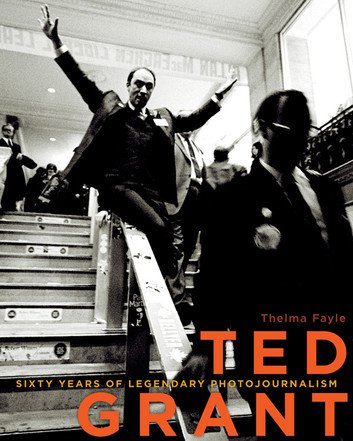
Description
Ted Grant: Sixty Years of Legendary Photojournalism – A Comprehensive Synopsis
Introduction: Discovering Ted Grant Photojournalism
Ted Grant’s photojournalism represents six decades of Canadian visual history captured through one lens. Author Thelma Fayle chronicles this remarkable career in her definitive book about Grant’s work. Moreover, this volume showcases hundreds of iconic images from Grant’s extensive archive. Furthermore, readers discover the stories behind photographs that defined generations of Canadian experience.
This book celebrates one of Canada’s most influential photographers and his enduring legacy. Additionally, it provides intimate glimpses into Grant’s creative process and professional philosophy. Therefore, the collection serves as both a historical document and artistic inspiration.
What Is Ted Grant: Sixty Years of Legendary Photojournalism?
Thelma Fayle’s book presents a comprehensive retrospective of Ted Grant’s extraordinary photographic career. The volume contains hundreds of carefully selected images spanning the 1940s through the early 2000s. Moreover, each photograph includes contextual information and behind-the-scenes stories from Grant himself. Consequently, readers gain unprecedented access to his creative thinking and working methods.
The book organizes Grant’s work chronologically while also grouping images thematically. Furthermore, Fayle includes extensive commentary from Grant about his most memorable assignments. She also features reflections from colleagues, subjects, and fellow photographers. Therefore, the book provides multiple perspectives on Grant’s impact and significance.
This beautifully produced volume showcases both famous and previously unpublished photographs. Additionally, it includes personal snapshots and contact sheets revealing Grant’s selection process. The book demonstrates how Ted Grant’s photojournalism evolved across six transformative decades. Thus, readers witness both technical and artistic development throughout his career.
Who Was Ted Grant?
Ted Grant became one of Canada’s most respected and prolific photojournalists. Born in 1929, he began his career in photography as a teenager. Moreover, Grant worked for major Canadian publications, including Weekend Magazine and Maclean’s. Additionally, he contributed to international publications such as Time, Life, and National Geographic.
Grant’s career spanned from post-war Canada through the digital photography revolution. Furthermore, he documented every Canadian prime minister from Louis St. Laurent onward. His lens captured ordinary Canadians alongside celebrities, politicians, and cultural icons. Consequently, Grant’s archive constitutes an invaluable record of Canadian social history.
He received numerous awards, including the National Newspaper Award and the Order of Canada. Moreover, Grant mentored generations of younger photographers throughout his long career. His commitment to photojournalism’s ethical standards influenced the entire profession. Therefore, Grant’s legacy extends beyond his impressive body of work.
Six Decades of Ted Grant Photojournalism
Grant’s career began in the 1940s when photojournalism was still relatively young. Initially, he worked with bulky cameras and limited film stocks. However, Grant quickly mastered technical challenges and developed his distinctive style. Moreover, he embraced new technologies as they emerged throughout subsequent decades.
The 1950s saw Grant establishing himself as a premier magazine photographer. Furthermore, he covered Canada’s post-war transformation and growing cultural confidence. His images from this era capture optimism and social change. Additionally, Grant documented the rise of Canadian nationalism and identity.
During the 1960s and 1970s, Grant photographed major political and cultural upheavals. He covered the FLQ crisis, Trudeaumania, and Canada’s centennial celebrations. Moreover, his work reflected the social movements transforming Canadian society. Consequently, these decades produced some of Grant’s most historically significant images.
Grant continued working actively through the 1980s, 1990s, and into the 2000s. Furthermore, he adapted to changing media landscapes and new photographic technologies. His later work maintained the same commitment to storytelling and human connection. Therefore, Grant’s six-decade career demonstrates remarkable consistency and evolution simultaneously.
Major Historical Events Captured by Ted Grant
Ted Grant’s photojournalism documented countless pivotal moments in Canadian and international history. His camera witnessed political transitions, cultural shifts, and social transformations. Moreover, Grant had an uncanny ability to be present when history unfolded. Additionally, his images often became the definitive visual records of important events.
Grant photographed every Canadian federal election from the 1950s through the 1990s. Furthermore, he captured intimate moments with prime ministers and political leaders—his political photography balanced respect for office with journalistic objectivity. Consequently, Grant’s political images reveal both public personas and private humanity.
He covered major international stories, including the Vietnam War and European events. Moreover, Grant documented social movements, protests, and cultural celebrations across Canada. His lens captured everything from royal visits to labor strikes. Therefore, his archive spans the full spectrum of Canadian experience.
Key Events and Subjects Photographed
Ted Grant’s six-decade career encompassed an extraordinary range of subjects and moments:
- Canadian prime ministers from Louis St. Laurent through Jean Chrétien
- The 1967 Canadian Centennial celebrations and Expo 67
- The October Crisis and FLQ events in Quebec
- Pierre Trudeau’s rise and the phenomenon of Trudeaumania
- Royal visits, including Queen Elizabeth II and Princess Diana
- Major sporting events, including Grey Cups and Stanley Cup finals
- Cultural icons like Leonard Cohen, Joni Mitchell, and Glenn Gould
- Ordinary Canadians in cities, small towns, and rural communities
- Indigenous peoples and their struggles for recognition and rights
- Labor movements, strikes, and working-class life across Canada
- Environmental issues and Canada’s changing landscapes
- Immigration and the evolution of Canadian multiculturalism
Ted Grant’s Distinctive Photographic Style
Grant developed a recognizable approach that balanced technical excellence with emotional authenticity. Moreover, he believed in getting close to subjects and capturing genuine moments. His style emphasized human connection rather than detached observation. Furthermore, Grant rarely used telephoto lenses, preferring to engage directly with subjects.
He possessed an extraordinary ability to make subjects feel comfortable in front of his camera. Consequently, Grant’s portraits reveal personality and character with remarkable clarity. His images feel intimate even when depicting public figures or strangers. Additionally, Grant’s compositional skills created visually compelling frames that enhanced storytelling.
Grant worked primarily in black and white throughout most of his career. Moreover, he mastered the medium’s ability to emphasize form, texture, and emotion. His understanding of light and shadow created dramatic yet naturalistic images. Therefore, Ted Grant’s photojournalism exemplifies the art of black-and-white photography.
He approached every assignment with curiosity and respect for his subjects. Furthermore, Grant believed photojournalists had ethical responsibilities to truth and fairness. His work never exploited subjects or manipulated situations for dramatic effect. Consequently, his images maintain integrity while remaining visually powerful and emotionally resonant.
Documenting Canadian History and Identity
Ted Grant’s work provides an unparalleled visual chronicle of Canadian national development. Moreover, his photographs capture how Canada evolved from a post-war nation to a multicultural society. Grant documented both momentous events and everyday life with equal attention. Furthermore, his images reveal the diversity and complexity of the Canadian experience.
He photographed Canada’s regions from the Atlantic provinces to the Pacific coast and the Arctic. Additionally, Grant captured urban centers, rural communities, and everything between them. His work shows Canadians at work, at play, and in moments of celebration or struggle. Therefore, his archive constitutes essential documentation of Canadian social history.
Grant had a particular interest in photographing ordinary Canadians and their daily lives. Moreover, he believed these images were as historically important as political events. His photographs of workers, families, and communities humanize historical narratives. Consequently, Grant’s work provides texture and depth to our understanding of Canadian history.
He also documented Canada’s relationship with its Indigenous peoples throughout his career. Furthermore, Grant photographed both injustices and cultural celebrations with sensitivity and respect. His images contributed to growing awareness of Indigenous issues and rights. Therefore, this aspect of his work carries particular historical and cultural significance.
Thelma Fayle’s Contribution as Author
Thelma Fayle brings extensive expertise to this comprehensive examination of Grant’s career. Moreover, she worked closely with Grant before he died in 2016. Her intimate knowledge of his archive and working methods enriches the book significantly. Additionally, Fayle conducted extensive interviews with Grant about his most important photographs.
Fayle’s writing provides essential context for understanding Grant’s images and their significance. Furthermore, she explains the historical context of the major photographs in the collection. Her commentary illuminates technical aspects of Grant’s work and his creative decisions. Consequently, readers gain a deeper appreciation for the artistry behind seemingly spontaneous images.
She also includes perspectives from Grant’s colleagues, subjects, and fellow photographers. Moreover, Fayle weaves these voices into a multifaceted portrait. Her editorial choices effectively showcase the breadth and depth of Ted Grant’s photojournalism. Therefore, Fayle’s contribution elevates the book beyond a simple photo collection to a comprehensive study.
The author’s organization of material makes Grant’s six-decade career accessible and engaging. Furthermore, Fayle balances chronological progression with thematic groupings intelligently. Her writing style remains clear and informative without becoming academic or dry. Consequently, the book appeals to both photography enthusiasts and general readers.
Key Photographs Featured in the Book
The volume includes many of Grant’s most iconic and historically significant images. Moreover, readers encounter photographs that have become synonymous with Canadian history. These images appeared in major publications and shaped public understanding of events. Additionally, the book features lesser-known gems from Grant’s extensive archive.
Grant’s photograph of Pierre Trudeau sliding down a banister exemplifies his spontaneous style. Furthermore, his portraits of Leonard Cohen and other cultural figures reveal artistic sensitivity. Images of ordinary Canadians at work and play demonstrate his democratic approach. Consequently, the book’s selection represents the full range of Grant’s talents.
The collection includes powerful images from political campaigns and parliamentary proceedings. Moreover, Grant’s coverage of social movements and protests documents important historical moments. His photographs of Indigenous peoples and multicultural communities show an evolving Canadian identity. Therefore, these images collectively tell the story of modern Canada.
Fayle also includes contact sheets and unpublished photographs revealing Grant’s working process. Furthermore, these materials show how he selected final images from multiple frames. Readers gain insight into the decisions that separate good photographs from great ones. Consequently, aspiring photographers find valuable lessons in these behind-the-scenes materials.
The Technical Evolution of Ted Grant Photojournalism
Grant’s career spanned dramatic technological changes in photography and photojournalism. Initially, he worked with large-format cameras and slow film speeds. Moreover, early assignments required careful planning due to limited exposure available. However, Grant adapted quickly as new technologies emerged throughout his career.
The introduction of 35mm cameras revolutionized Grant’s ability to capture spontaneous moments. Furthermore, faster films allowed shooting in available light without intrusive flash equipment. These technical advances perfectly suited Grant’s preference for natural, unposed photographs. Consequently, his work from the 1960s onward shows increased spontaneity and intimacy.
Grant embraced color photography when magazines began demanding it in later decades. Moreover, he applied his mastery of composition and light to color work. However, many consider his black-and-white images his most powerful work. Therefore, the book includes both color and monochrome photographs showcasing his versatility.
He witnessed the transition from film to digital photography near the end of his career. Furthermore, Grant adapted to digital technology while maintaining his core photographic principles. His approach to storytelling and human connection remained consistent across technological changes. Consequently, his work demonstrates that great photojournalism transcends specific tools or technologies.
Why Ted Grant Matters to Canadian Culture
Ted Grant’s contribution to Canadian visual culture extends far beyond individual photographs. Moreover, his work helped define how Canadians see themselves and their history. Grant’s images appeared in publications that shaped national consciousness for decades. Furthermore, his photographs continue to influence contemporary understanding of Canadian identity and heritage.
He elevated photojournalism’s status as both profession and art form in Canada. Additionally, Grant demonstrated that documentary photography could achieve artistic excellence while serving journalistic purposes. His ethical approach to subjects and situations established standards for the profession. Therefore, his influence on Canadian photojournalism remains profound and lasting.
Grant’s archive provides invaluable primary source material for historians and researchers; moreover, his photographs document social, political, and cultural changes with unmatched comprehensiveness. Future generations will rely on his images to understand twentieth-century Canadian experience. Consequently, preserving and celebrating his work serve important cultural and historical purposes.
He also inspired countless younger photographers through his example and mentorship. Furthermore, Grant’s commitment to craft and ethics influenced entire generations of photojournalists. His legacy lives on through photographers who learned from his work and wisdom. Therefore, Ted Grant’s photojournalism continues to shape Canadian visual culture even after his death.
Who Should Read This Book?
This comprehensive volume appeals to diverse audiences interested in photography and Canadian history. Photography enthusiasts will appreciate Grant’s technical mastery and artistic vision throughout six decades. Moreover, the book provides inspiration and instruction for aspiring photojournalists and documentary photographers. Additionally, Grant’s work demonstrates timeless principles of visual storytelling and composition.
History buffs discover an unparalleled visual record of modern Canadian social and political development. Furthermore, the book documents events and personalities that shaped contemporary Canada. Readers interested in specific periods or events find Grant’s eyewitness photographs invaluable. Consequently, the book serves as both a historical document and an engaging narrative.
Students of journalism and media studies benefit from examining Grant’s ethical approach. Moreover, his career illustrates photojournalism’s evolution across technological and cultural changes. The book demonstrates how individual photographers can influence public understanding of events. Therefore, it offers valuable lessons about the media’s role in democratic societies.
Anyone interested in Canadian culture and identity will find this book rewarding. Furthermore, Grant’s photographs reveal the diversity and complexity of the Canadian experience. His images celebrate ordinary Canadians while documenting extraordinary moments and personalities. Consequently, the book appeals to anyone curious about Canada’s journey through six transformative decades.
Ideal Readers Include:
- Professional and amateur photographers seeking inspiration and technical insights
- Photojournalism students and practitioners studying the craft’s evolution
- Canadian history enthusiasts and researchers requiring primary visual sources
- Media studies scholars examining photography’s role in shaping public consciousness
- Art collectors and curators interested in Canadian documentary photography
- Anyone who lived through the periods Grant documented and wants to revisit them
- Younger Canadians are curious about their country’s history and cultural development.
- Libraries, schools, and institutions are building Canadian cultural collections.
The Book’s Production Quality and Design
Thelma Fayle’s book features exceptional production values that honor Grant’s photographic excellence. Moreover, the large format allows Grant’s images to be reproduced with impressive clarity. High-quality printing captures the tonal range and detail of his original photographs. Furthermore, the book’s physical design complements the content’s historical and artistic significance.
The layout provides generous space for photographs to breathe and make a visual impact. Additionally, Fayle’s text integrates smoothly without overwhelming the images themselves. Careful attention to typography and design creates an elegant, readable presentation—consequently, the book functions as both a coffee table volume and a serious photographic study.
Image reproduction quality allows readers to appreciate Grant’s technical mastery and artistic vision. Moreover, the printing captures subtle gradations in his black-and-white work. Color photographs also reproduce faithfully, maintaining Grant’s original color palette and mood. Therefore, the book does justice to Grant’s lifetime of photographic achievement.
The volume includes helpful supplementary materials, such as a chronology and index. Furthermore, these additions make the book a valuable reference work and research tool. Thoughtful organization allows readers to explore the book linearly or thematically. Consequently, the design serves both casual browsers and serious students of photography.
Ted Grant’s Legacy and Continuing Influence
Grant’s death in 2016 ended an extraordinary career but not his influence. Moreover, his photographs continue appearing in exhibitions, publications, and educational contexts. The National Gallery of Canada and other institutions hold significant collections of his work. Furthermore, Grant’s images remain relevant to contemporary discussions about Canadian identity and history.
Young photographers continue to discover Grant’s work and learn from his example. Additionally, his approach to photojournalism offers alternatives to sensationalism and exploitation. Grant demonstrated that ethical photography can be both powerful and commercially successful. Therefore, his career provides a model for aspiring photojournalists navigating today’s challenges.
This book ensures Grant’s work remains accessible to current and future generations. Moreover, Fayle’s comprehensive treatment definitively establishes Grant’s place in Canadian cultural history. The volume serves as both a celebration and a preservation of an irreplaceable artistic legacy. Consequently, Ted Grant’s photojournalism will continue to inspire and inform for decades to come.
His influence extends beyond Canada to international photojournalism communities as well. Furthermore, Grant’s work exemplifies universal principles of documentary photography and visual storytelling. His images transcend their specific Canadian context to speak to human experience more broadly. Therefore, this book deserves attention from anyone interested in photography’s power and potential.
Conclusion: An Essential Volume
Ted Grant: Sixty Years of Legendary Photojournalism stands as the definitive examination of Grant’s career. Moreover, Thelma Fayle has created a comprehensive, beautifully produced tribute to his work. The book succeeds as both a historical document and an artistic celebration. Furthermore, it makes Grant’s invaluable archive accessible to broad audiences.
Readers discover six decades of Canadian history through one photographer’s remarkable vision. Additionally, they gain insights into photojournalism’s craft, ethics, and evolution across transformative decades. Grant’s images continue resonating because they capture authentic human moments with technical excellence. Therefore, this book belongs in every collection of Canadian photography and history.
The volume demonstrates why Ted Grant’s photojournalism remains relevant and powerful decades later. Moreover, it shows how individual photographers can shape collective memory and understanding. Grant’s commitment to truth, craft, and human dignity offers inspiration for contemporary practitioners. Consequently, this book serves as both a historical record and an ongoing inspiration.
Whether you’re a photography enthusiast, history buff, or simply curious about Canada, this book rewards attention. Furthermore, Grant’s images provide windows into moments and experiences that shaped modern Canada. Thelma Fayle has given us an essential volume that appropriately honors Grant’s legacy. Therefore, Ted Grant: Sixty Years of Legendary Photojournalism deserves a place on every Canadian’s bookshelf.





Reviews
There are no reviews yet.