

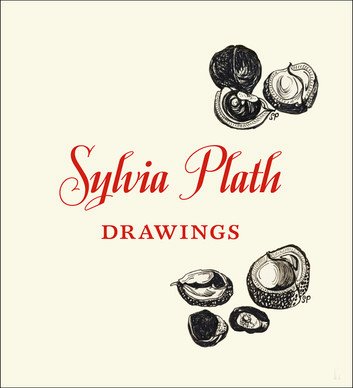
Description
Sylvia Plath Drawings: A Rare Visual Journey Into the Poet’s Creative Mind
Discovering Sylvia Plath Drawings: An Intimate Artistic Collection
Sylvia Plath’s drawings reveal a hidden dimension of the legendary poet’s creative genius. This remarkable collection showcases pen-and-ink artwork created between 1955 and 1957. Moreover, these pieces capture a transformative period in Plath’s life. The book presents an intimate look at her visual artistry during her Fulbright scholarship years.
Frieda Hughes, Plath’s daughter, introduces this extraordinary collection with personal insights. Furthermore, she provides context that illuminates her mother’s artistic journey. The drawings emerged during Plath’s time at Newnham College, Cambridge University. Consequently, readers witness a pivotal moment in literary and artistic history.
The Cambridge Years: When Sylvia Plath’s Drawings Came to Life
Plath arrived at Cambridge University as a Fulbright scholar in 1955. Additionally, this period marked significant personal and creative development. She immersed herself in academic studies while exploring visual expression. Therefore, her drawings reflect both intellectual rigor and emotional depth.
The collection spans two crucial years of artistic experimentation. Meanwhile, Plath was developing her distinctive poetic voice. Her pen-and-ink works demonstrate technical skill and emotional intensity. Thus, these drawings complement her literary achievements beautifully.
During this time, Plath met poet Ted Hughes at a party. Subsequently, their relationship would profoundly influence both their creative outputs. They married in 1956, creating a dynamic artistic partnership. Nevertheless, Plath maintained her individual creative vision throughout this period.
Visual Artistry Meets Literary Genius
The drawings in this collection showcase Plath’s versatility as an artist. Moreover, they reveal her keen observational skills and technical precision. Each piece demonstrates careful attention to line, shadow, and composition. Furthermore, the artwork provides insight into her psychological landscape.
Plath’s visual work often features:
- Detailed architectural studies of Cambridge buildings
- Intimate portraits capturing human emotion and character
- Natural landscapes reflecting her connection to the environment
- Abstract compositions exploring form and texture
- Personal objects that held symbolic significance
These subjects reveal Plath’s diverse interests and artistic range. Additionally, they show her ability to find beauty in everyday scenes. The pen-and-ink medium suited her precise, controlled artistic approach. Therefore, each drawing feels deliberate and emotionally charged.
Letters and Diary Entries: Context for Sylvia Plath Drawings
The book includes personal writings that accompany the visual artwork. Consequently, readers gain a deeper understanding of Plath’s creative process. Her letters reveal thoughts about art, poetry, and personal relationships. Moreover, diary entries expose her inner struggles and aspirations.
These written materials provide invaluable context for the drawings. Furthermore, they illuminate the connections between her visual and literary work. Plath often wrote about her artistic experiments in correspondence. Thus, the book creates a comprehensive portrait of her creative life.
Her writings from Cambridge reveal intense ambition and self-reflection. Additionally, they show her grappling with identity and artistic purpose. The combination of drawings and text creates a multidimensional experience. Therefore, readers encounter Plath as both a visual artist and writer.
A Daughter’s Perspective: Frieda Hughes’ Introduction
Frieda Hughes brings unique insight as Plath’s daughter and fellow artist. Moreover, she understands both the personal and artistic dimensions of these works. Her introduction contextualizes the drawings within Plath’s broader creative output. Furthermore, she shares family memories that enrich the collection’s meaning.
Hughes thoughtfully discusses her mother’s artistic training and influences. Additionally, she addresses the significance of this formative Cambridge period. Her commentary helps readers appreciate the drawings’ technical and emotional qualities. Thus, the introduction serves as an essential guide to the collection.
The daughter’s perspective adds poignancy to this artistic legacy. Nevertheless, Hughes maintains scholarly objectivity while honoring her mother’s memory. She examines the drawings with both love and critical appreciation. Consequently, her introduction significantly enhances the book’s overall impact.
The Transformative Cambridge Period
Cambridge University provided Plath with intellectual stimulation and creative freedom. Moreover, the historic setting inspired much of her visual work. She drew the college architecture, capturing its Gothic beauty precisely. Furthermore, the academic environment challenged her to grow artistically.
This period saw Plath balancing multiple creative pursuits simultaneously. Additionally, she was writing poetry, studying literature, and creating visual art. The intensity of this time profoundly shaped her artistic identity. Therefore, these drawings represent a crucial developmental phase.
Meeting Ted Hughes catalyzed significant personal and creative changes. Subsequently, their relationship became central to her emotional life. However, Plath continued developing her individual artistic voice throughout their courtship. Thus, the drawings reflect both independence and romantic transformation.
Technical Mastery in Pen and Ink
Plath’s choice of pen-and-ink demonstrates her appreciation for precision. Moreover, this medium requires confidence and technical skill. Each line becomes permanent, demanding careful planning and execution. Furthermore, the stark contrast creates a dramatic visual impact.
Her drawings show a sophisticated understanding of light and shadow. Additionally, she employed various techniques to create texture and depth. Cross-hatching, stippling, and bold lines appear throughout the collection. Therefore, the technical variety keeps the artwork visually engaging.
The pen-and-ink medium suited Plath’s perfectionist tendencies perfectly. Nevertheless, spontaneity and emotion shine through the controlled technique. She balanced technical mastery with expressive freedom effectively. Consequently, the drawings feel both disciplined and emotionally authentic.
Themes and Subjects in the Collection
The artwork explores themes that would dominate Plath’s literary work. Moreover, questions of identity, mortality, and beauty appear throughout. She captured human faces with psychological penetration and empathy. Furthermore, architectural subjects reflect her interest in structure and permanence.
Natural landscapes in the collection reveal Plath’s environmental sensitivity. Additionally, she drew trees, flowers, and outdoor scenes with careful attention to detail. These subjects provided respite from intense emotional introspection. Thus, nature drawings offer moments of peace within the collection.
Personal objects and interior spaces also feature prominently in her work. Meanwhile, these intimate subjects reveal her domestic world and daily life. She transformed ordinary items into subjects worthy of artistic attention. Therefore, the drawings effectively democratize artistic subject matter.
Historical and Cultural Context
The mid-1950s represented a complex time for women artists and writers. Moreover, Plath navigated expectations about gender, creativity, and ambition. Her determination to excel in multiple artistic fields was remarkable. Furthermore, she challenged conventional limitations placed on women’s creative work.
Cambridge University’s intellectual atmosphere significantly influenced her artistic development. Additionally, exposure to European art and culture expanded her aesthetic horizons. She absorbed influences as she developed her distinctive artistic voice. Thus, the drawings reflect both tradition and innovation.
The post-war period saw renewed interest in personal expression and authenticity. Subsequently, artists increasingly explored psychological depth and emotional honesty. Plath’s work participated in this broader cultural movement. Therefore, her drawings connect to larger artistic trends of the era.
The Book’s Design and Presentation
This collection presents the drawings with care and scholarly attention. Moreover, high-quality reproductions preserve the artwork’s detail and nuance. The book’s design honors Plath’s artistic vision while ensuring accessibility. Furthermore, a thoughtful layout enhances the reader’s experience.
The accompanying text provides historical context without overwhelming the visual material. Additionally, the balance between image and text feels carefully considered. Readers can appreciate the drawings aesthetically while gaining a deeper understanding. Thus, the book succeeds both as an art book and a biography.
The publication’s physical quality reflects the artwork’s importance. Nevertheless, the presentation remains approachable rather than overly academic. This accessibility invites broader audiences to discover Plath’s visual work. Consequently, the book serves both scholars and general readers effectively.
Rediscovering Sylvia Plath Through Visual Art
This collection challenges common perceptions of Plath as solely a poet. Moreover, it reveals the breadth of her creative talents and interests. The drawings demonstrate that her artistic vision extended beyond literary expression. Furthermore, they provide new avenues for understanding her creative process.
Seeing Plath’s visual work significantly enriches the appreciation of her poetry. Additionally, common themes and preoccupations appear across both mediums. The precision of her pen-and-ink technique mirrors her poetic craftsmanship. Therefore, the drawings and poems illuminate each other beautifully.
For devoted readers of Plath’s poetry, these drawings offer fresh insights. Meanwhile, those unfamiliar with her work discover an accessible entry point. The visual medium invites engagement from diverse audiences and perspectives. Thus, the collection expands Plath’s artistic legacy in meaningful ways.
Legacy and Influence
Plath’s influence on literature remains profound and enduring decades after her death. Moreover, this collection adds another dimension to her artistic legacy. The drawings reveal a complete artist working across multiple creative forms. Furthermore, they inspire contemporary artists exploring interdisciplinary creative practice.
Frieda Hughes’ stewardship of her mother’s work ensures its continued accessibility. Additionally, publications like this preserve Plath’s artistic output for future generations. The careful curation honors Plath’s memory while serving scholarly and public interests. Therefore, the book contributes significantly to Plath studies and appreciation.
Contemporary artists continue finding inspiration in Plath’s fearless creative exploration. Subsequently, her willingness to experiment across media remains relevant and influential. The drawings demonstrate that creative boundaries are meant to be crossed. Consequently, Plath’s example encourages artistic risk-taking and authenticity today.
Why This Collection Matters Now
Understanding Plath’s complete artistic output provides a richer biographical context. Moreover, the drawings reveal aspects of her personality obscured in poetry alone. They show her capacity for observation, patience, and technical discipline. Furthermore, they demonstrate her commitment to craft across all creative endeavors.
The collection arrives at a time of renewed interest in women’s artistic contributions. Additionally, scholars increasingly recognize the importance of interdisciplinary creative work. Plath’s drawings challenge narrow categorizations of artistic identity and achievement. Thus, the book participates in important contemporary conversations about creativity.
For readers seeking a deeper connection with Plath’s life and work, this book delivers. Meanwhile, it offers visual pleasure alongside biographical and historical insight. The combination creates a reading experience that is both informative and moving. Therefore, the collection effectively serves multiple purposes for diverse audiences.
Conclusion: A Complete Portrait of the Artist
“Sylvia Plath: Drawings” presents an essential addition to understanding this iconic artist. The collection reveals dimensions of Plath’s creativity previously unknown to many readers. Moreover, it demonstrates her versatility, technical skill, and artistic ambition comprehensively. These pen-and-ink works from her Cambridge years capture a transformative period in her creative life.
Frieda Hughes’ introduction provides invaluable context and personal perspective on the artwork. Furthermore, the accompanying letters and diary entries significantly deepen our understanding. Together, these elements create a multifaceted portrait of the artist as a young woman. The book honors Plath’s memory while expanding appreciation of her creative legacy.
This collection proves that Plath’s artistic vision extended far beyond poetry alone. Additionally, it invites readers to reconsider her place in twentieth-century artistic history. The drawings stand as accomplished works deserving recognition and study in their own right. Therefore, this book represents an important contribution to Plath scholarship and artistic appreciation.





Reviews
There are no reviews yet.