

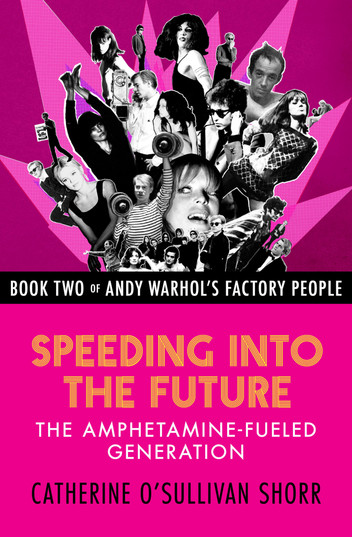
Description
Speeding into the Future: Inside the Amphetamine-Fueled Generation at Warhol’s Factory
Introduction to the Amphetamine-Fueled Generation
The Amphetamine-Fueled Generation defined Andy Warhol’s Factory during the 1960s. Catherine O’Sullivan Shorr’s second book explores this controversial era in depth. Her work examines how speed shaped creativity, relationships, and artistic output. Furthermore, she reveals the human cost behind the Factory’s legendary productivity. This e-book continues the “Andy Warhol’s Factory People” series with unflinching honesty.
Amphetamines weren’t just recreational drugs at the Factory. Instead, they became fuel for round-the-clock creative sessions. Moreover, they shaped the entire culture and aesthetic of the era. Warhol’s world ran on speed, literally and figuratively. Therefore, understanding this drug culture is essential to understanding the art.
Shorr doesn’t glorify or condemn the amphetamine use. Rather, she presents it as a complex reality of Factory life. Her research includes interviews with survivors and extensive historical documentation. Consequently, readers get an authentic picture of this turbulent period.
The Rise of Amphetamine Culture in Warhol’s Factory
Speed arrived at the Factory through various channels. Some participants used prescription diet pills containing amphetamines. Others obtained methamphetamine through underground sources. Additionally, the drug was more socially acceptable in the 1960s. Doctors prescribed it freely for weight loss and depression.
The Factory’s demanding schedule made amphetamines appealing. Warhol worked constantly and expected others to keep up with his pace. Therefore, many Factory regulars turned to speed to keep up. The drug allowed them to work for days without sleep. It also created a sense of euphoria and confidence.
Billy Name, the Factory’s photographer and designer, was particularly associated with speed. He lived in a small room at the Factory. Moreover, he rarely left and survived on amphetamines for extended periods. His silver aesthetic and tireless work ethic defined the Factory’s look.
Creative Output During the Speeding Generation Era
The amphetamine-fueled period produced extraordinary artistic output. Warhol created some of his most famous works during these years. He completed countless silk-screens, experimental films, and multimedia projects. Furthermore, the Factory became a hub for underground culture and innovation.
Speed affected the art itself in noticeable ways. The work became faster, more repetitive, and more mechanical. Additionally, Warhol’s films grew longer and more experimental. Movies like “Chelsea Girls” reflected the amphetamine aesthetic perfectly. They were intense, fragmented, and relentlessly paced.
The Velvet Underground’s music also bore amphetamine’s influence. Their sound was raw, driving, and hypnotic. Songs like “I’m Waiting for the Man” explicitly referenced drug culture. Meanwhile, their performances at the Factory were legendary all-night events.
Key Figures in the Amphetamine-Fueled Generation
Several Factory personalities became synonymous with the speed culture. These individuals pushed creative boundaries while battling personal demons. Shorr’s book profiles them with compassion and honesty. She shows how amphetamines both enabled and destroyed them.
Important figures included:
- Edie Sedgwick: The socialite whose speed use contributed to her tragic decline
- Billy Name: The Factory’s resident photographer who lived on amphetamines
- Ondine: The actor and Factory regular known for his speed-fueled performances
- Brigid Berlin: The artist who documented Factory life while using amphetamines
- Andrea Feldman: The actress whose drug use ended in tragedy
- Eric Emerson: The dancer and actor who embodied the speeding generation
- International Velvet: The superstar whose beauty masked serious addiction
These weren’t just drug users. Rather, they were talented artists whose creativity intersected with addiction. Their stories reveal the complexity of the amphetamine-fueled generation.
The Dark Side of the Speeding Generation
Shorr doesn’t shy away from amphetamines’ devastating effects. The drug caused paranoia, psychosis, and physical deterioration. Moreover, it contributed to several Factory members’ deaths. The creative energy came at an enormous human cost.
Amphetamine use led to erratic behavior and broken relationships. Factory regulars experienced dramatic mood swings and violent outbursts. Additionally, the drug’s addictive nature trapped many in destructive cycles. Some never recovered from their Factory years.
The physical toll was equally severe. Speed caused weight loss, dental problems, and cardiovascular damage. Furthermore, it accelerated aging and weakened immune systems. Many Factory superstars looked decades older than their actual ages.
Mental health consequences were perhaps most devastating. Amphetamines triggered psychotic episodes and severe depression. Consequently, several Factory members required psychiatric hospitalization. Some took their own lives after years of drug use.
Social and Cultural Context of Amphetamine Use
The 1960s drug culture differed significantly from today’s understanding. Amphetamines were legal and widely prescribed by doctors. Therefore, many people didn’t recognize their dangers initially. The medical establishment actually promoted speed for various conditions.
Factory culture reflected broader social changes happening in America. Young people were rejecting traditional values and experimenting with consciousness. Meanwhile, the counterculture embraced drugs as tools for creativity and liberation. Amphetamines fit perfectly into this revolutionary mindset.
Warhol himself maintained a complicated relationship with drugs. He rarely used amphetamines but surrounded himself with users. Instead, he observed and documented their behavior for his art. His detachment allowed him to survive while others didn’t.
Catherine O’Sullivan Shorr’s Research and Perspective
Shorr brings unique insight to this difficult subject. She interviewed surviving Factory members about their experiences with amphetamines. Furthermore, she consulted medical experts about the drug’s effects. Her research is thorough and compassionate.
She avoids sensationalizing the drug use or the tragedies. Instead, she presents factual accounts that honor the participants’ humanity. Moreover, she contextualizes the amphetamine culture within its historical moment. This approach helps readers understand without judging.
Shorr’s writing balances academic rigor with accessible storytelling. She explains complex psychological and social dynamics clearly. Additionally, she includes personal anecdotes that bring the era alive. Readers feel they’re experiencing the Factory firsthand.
Lessons from the Amphetamine-Fueled Generation
This book offers important insights for contemporary readers. The Factory’s amphetamine culture serves as a cautionary tale. However, it also demonstrates creativity’s complex relationship with altered consciousness. Therefore, the story remains relevant today.
Modern society still grapples with stimulant abuse. Prescription amphetamines like Adderall are widely used and misused. Consequently, the Factory’s story provides a historical perspective on current issues. The patterns of addiction and creativity haven’t changed much.
The book also examines how we romanticize destructive artistic lifestyles. Popular culture often glorifies the “tortured artist” narrative. Meanwhile, real people suffer and die from addiction. Shorr’s honest account challenges these dangerous myths.
Why Read “Speeding into the Future”?
This second installment in the Factory People series offers essential reading because:
- Honest examination of the drug culture’s role in artistic creation
- Personal testimonies from those who lived through the era
- Medical and psychological context for understanding amphetamine effects
- Balanced perspective that neither glorifies nor condemns
- Historical documentation of a pivotal cultural moment
- Compassionate portraits of complex, troubled individuals
- Relevant insights for understanding contemporary drug issues
Conclusion: Understanding a Complex Legacy
“Speeding into the Future” completes the picture begun in Shorr’s first book. The amphetamine-fueled generation created groundbreaking art while destroying themselves. Moreover, their story reveals uncomfortable truths about creativity, addiction, and exploitation. Catherine O’Sullivan Shorr handles this difficult material with skill and sensitivity.
The Factory’s speed culture wasn’t glamorous despite its legendary status. Instead, it was often desperate, dangerous, and deadly. However, it also produced remarkable artistic achievements that still resonate today. Understanding this paradox helps us appreciate both the art and its cost.
Readers will find this book challenging but essential. It forces us to confront difficult questions about art and addiction. Furthermore, it honors the memory of those who paid the ultimate price. Shorr has created a powerful testament to the amphetamine-fueled generation’s triumphs and tragedies.






Reviews
There are no reviews yet.