

Description
Smile Now, Cry Later: A Raw Journey Through Guns, Gangs, and Tattoos
Introduction: From Street Violence to Tattoo Artistry
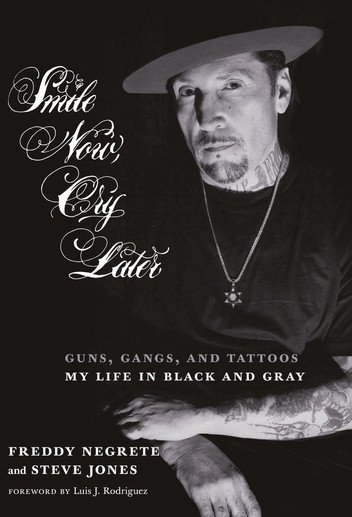
Freddy Negrete’s memoir “Smile Now, Cry Later: Guns, Gangs, and Tattoos-My Life in Black and Gray” tells a powerful story. The book explores his transformation from gang member to legendary tattoo artist. Furthermore, it reveals the harsh realities of guns, gangs, and tattoos in East Los Angeles. Negrete shares his journey with brutal honesty and raw emotion. Meanwhile, co-author Steve Jones helps craft this compelling narrative about redemption.
The memoir takes readers deep into Chicano gang culture. Moreover, it shows how art became Negrete’s salvation from street life. This book stands as both confession and celebration of survival.
Early Life in East Los Angeles
Freddy Negrete grew up in East LA during the 1960s and 1970s. The neighborhood was tough, violent, and unforgiving to young boys. Therefore, many kids joined gangs for protection and belonging. Negrete was no exception to this dangerous pattern.
His childhood was marked by poverty and family struggles. In addition, the streets offered a twisted sense of family. Gang culture dominated every aspect of daily life in his community. However, young Freddy didn’t fully understand the consequences at first.
The allure of respect and power drew him deeper. Consequently, he became involved in criminal activities at an early age. Violence surrounded him constantly, shaping his worldview and choices.
Descent Into Gang Life and Criminal Activity
Negrete’s teenage years brought deeper involvement in gang culture. He participated in fights, robberies, and other criminal acts. Furthermore, guns became a regular part of his existence. The street code demanded loyalty, violence, and fearlessness from members.
Prison became an inevitable destination for many gang members. Similarly, Negrete found himself behind bars multiple times. Meanwhile, these experiences hardened him but also sparked reflection. The criminal world offered no real future, only death or incarceration.
Inside prison walls, Negrete discovered his artistic talent. Therefore, he began tattooing fellow inmates with makeshift equipment. This skill would eventually transform his entire life trajectory.
The Birth of a Tattoo Artist
Prison tattooing taught Negrete fundamental techniques and artistic vision. Moreover, he developed the distinctive black and gray style. This approach became his signature and revolutionized tattoo art. Instead of bright colors, he used shading and contrast masterfully.
His tattoos told stories of Chicano culture and street life. Furthermore, they captured the pain, pride, and beauty of his community. Other inmates recognized his exceptional talent and requested his work. Consequently, his reputation grew within the prison system.
After release, Negrete pursued tattooing as a legitimate career. However, transitioning from criminal to artist proved challenging and difficult. The tattoo industry was different outside prison walls.
Breaking Into Professional Tattooing
Negrete approached established tattoo shops seeking employment opportunities. Meanwhile, many shop owners rejected him due to his background. Nevertheless, his undeniable skill eventually opened doors for him. He landed a position at a shop in Los Angeles.
Professional tattooing required different tools and higher standards. In addition, he needed to adapt his prison techniques. Therefore, Negrete studied constantly and refined his black and gray style. His work began attracting attention from serious collectors and artists.
The tattoo world started recognizing his unique artistic vision. Furthermore, celebrities and musicians sought out his distinctive designs. His reputation spread beyond Los Angeles to international audiences.
Developing the Black and Gray Technique
Negrete’s black and gray style became legendary in tattoo culture. He perfected the use of single-needle techniques for fine details. Moreover, his shading created depth and dimension previously unseen. This approach contrasted sharply with traditional colorful American tattoos.
His designs drew from Chicano culture, religious imagery, and street life. Furthermore, he incorporated elements from his gang experiences authentically. The tattoos reflected both beauty and darkness from his past. Therefore, each piece told a story of survival and transformation.
Other tattoo artists began studying and copying his techniques. However, Negrete’s work maintained a distinctive quality that set him apart. His influence reshaped the entire tattoo industry permanently.
Key Themes in the Memoir
The book explores several powerful themes throughout its narrative:
- Redemption: Transforming from criminal to respected artist
- Identity: Finding self-worth beyond gang affiliation and violence
- Art as salvation: Using creativity to escape destructive patterns
- Cultural pride: Celebrating Chicano heritage through visual storytelling
- Consequences: Facing the lasting impact of youthful choices
- Mentorship: Helping others avoid the same dangerous path
These themes weave together to create a compelling story. Moreover, they offer hope to readers facing similar struggles. The memoir doesn’t glorify gang life or criminal behavior. Instead, it shows the harsh realities and devastating consequences honestly.
The Reality of Guns, Gangs, and Tattoos
Negrete doesn’t romanticize his past involvement in street violence. Furthermore, he describes the fear, paranoia, and constant danger vividly. Gang life meant watching friends die or disappear into prison. Meanwhile, guns represented both power and the threat of death.
The tattoos from that era marked identity and allegiance permanently. However, they also created barriers to legitimate employment and acceptance. Many gang members carried these visible reminders of past mistakes. Therefore, Negrete understood tattoos’ complex meaning in gang culture.
His memoir reveals how tattoos evolved from gang markers to art. In addition, he shows how this transformation mirrored his personal journey. The same symbols that once represented violence became beautiful artwork.
Struggles With Addiction and Recovery
The book honestly addresses Negrete’s battles with substance abuse. Drug addiction plagued him throughout his gang years and beyond. Furthermore, addiction complicated his attempts to build a legitimate career. The criminal world and drug culture were deeply intertwined.
Recovery required confronting painful memories and making difficult changes. Moreover, he needed to break ties with destructive relationships. Therefore, sobriety became essential to his artistic and personal growth. The journey wasn’t linear or easy for him.
Negrete shares his relapses and struggles with brutal honesty. However, he also shows how persistence eventually led to stability. His story offers hope to others fighting similar battles.
Impact on Tattoo Culture
Negrete’s influence on modern tattooing cannot be overstated significantly. He helped elevate tattooing from underground practice to respected art. Furthermore, his black and gray style became internationally recognized. Major tattoo conventions featured his work and honored his contributions.
Young tattoo artists studied his techniques and artistic approach. In addition, museums and galleries began displaying tattoo art seriously. Therefore, Negrete played a crucial role in this cultural shift. His work bridged street culture and fine art successfully.
The memoir documents this transformation of tattoo culture comprehensively. Moreover, it shows how one person’s vision can change an industry. His legacy continues influencing new generations of tattoo artists.
Relationships and Personal Growth
The book explores Negrete’s complicated relationships with family and friends. Gang life damaged many of these important connections permanently. Furthermore, his criminal activities hurt people who loved him deeply. Rebuilding trust required years of consistent effort and change.
His relationship with his children receives particular attention throughout. Moreover, he expresses regret about his absence during their childhoods. Therefore, becoming a better father motivated much of his transformation. These personal stories add emotional depth to the narrative.
Negrete also discusses friendships lost to violence and incarceration. However, he celebrates those who survived and found their own redemption. These relationships shaped his understanding of loyalty and consequences.
The Meaning Behind “Smile Now, Cry Later”
The title references a classic tattoo design in Chicano culture. Two theatrical masks represent life’s duality and inevitable suffering. Furthermore, the phrase captures the gang mentality of living recklessly. It means enjoying the moment despite knowing pain will follow.
This imagery appears throughout the memoir as a central metaphor. Moreover, it reflects Negrete’s own life of temporary pleasures and lasting consequences. The smiling mask represented his youthful bravado and false confidence. Meanwhile, the crying mask symbolized the pain that inevitably followed.
Negrete examines how this philosophy shaped his destructive choices. However, he also shows how understanding it helped his recovery. The title perfectly encapsulates his journey from darkness to light.
Lessons and Reflections
Negrete offers valuable insights gained from his difficult experiences. He emphasizes that gang life leads only to destruction. Furthermore, he warns young people about the permanent consequences of violence. His message carries weight because he lived through these experiences.
The memoir stresses the importance of finding positive outlets. In addition, it shows how art and creativity can save lives. Therefore, Negrete encourages at-risk youth to discover their own talents. He believes everyone possesses something valuable to offer society.
His reflections on wasted years carry particular poignancy and regret. However, he also celebrates the possibility of change and redemption. The book ultimately delivers a message of hope and transformation.
Writing Style and Narrative Approach
Steve Jones helps Negrete craft an accessible and engaging narrative. The writing style remains straightforward and honest throughout the book. Moreover, the authors avoid unnecessary complexity or pretentious language. This approach makes the story accessible to diverse readers.
The memoir uses vivid descriptions to bring scenes to life. Furthermore, dialogue captures the authentic voice of street culture. Therefore, readers feel immersed in Negrete’s world and experiences. The pacing keeps readers engaged from beginning to end.
The book balances harsh realities with moments of beauty. However, it never shies away from uncomfortable truths about violence. This honest approach strengthens the narrative’s impact and credibility.
Cultural Significance and Representation
The memoir provides important representation of Chicano experiences and culture. Negrete shares stories often ignored or misrepresented in mainstream media. Furthermore, he presents his community with complexity and nuance. The book challenges stereotypes while acknowledging real problems honestly.
His portrayal of East Los Angeles captures both struggles and strengths. In addition, he celebrates the resilience and creativity of his community. Therefore, the memoir serves as both personal story and cultural document. It preserves important history and experiences for future generations.
The book has resonated particularly strongly with Latino readers. However, its themes of redemption appeal to universal human experiences. Anyone who has struggled with identity or past mistakes can relate.
Reception and Impact
“Smile Now, Cry Later” received critical acclaim upon its release. Reviewers praised its honesty, emotional depth, and cultural significance. Furthermore, the book found audiences beyond typical memoir readers. Tattoo enthusiasts, social workers, and educators embraced the story.
The memoir has been used in rehabilitation programs and schools. Moreover, it helps counselors connect with at-risk youth effectively. Therefore, the book’s impact extends beyond entertainment or information. It actively helps people make better choices and find hope.
Negrete has spoken at numerous events about his experiences. However, he remains humble about his influence and continued journey. His ongoing commitment to positive change inspires readers and listeners.
Conclusion: A Story of Transformation
“Smile Now, Cry Later” stands as a powerful testament to human resilience. Freddy Negrete’s journey from guns, gangs, and tattoos to artistic success inspires readers. Furthermore, his brutal honesty about mistakes and consequences provides valuable lessons. The memoir doesn’t offer easy answers or quick fixes.
Instead, it shows that change requires sustained effort and courage. Moreover, it demonstrates how art can transform lives and communities. Therefore, the book serves multiple purposes for different audiences. It entertains, educates, and inspires in equal measure.
Negrete’s story proves that past mistakes don’t define future possibilities. However, he acknowledges that consequences often last a lifetime. The memoir ultimately celebrates the human capacity for growth and redemption. It reminds readers that it’s never too late to change direction.
This powerful book deserves attention from anyone interested in gang culture. In addition, tattoo enthusiasts will appreciate the artistic journey documented. Furthermore, anyone seeking inspiration about overcoming adversity will find value. “Smile Now, Cry Later” is more than a memoir—it’s a roadmap to transformation.





Reviews
There are no reviews yet.