

Description
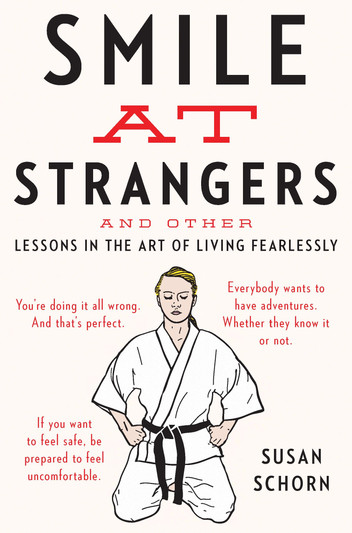
Smile At Strangers: And Other Lessons in the Art of Living Fearlessly – A Comprehensive Book Synopsis
Smile At Strangers by Susan Schorn offers readers an unconventional roadmap to fearless living. Published by HarperCollins/Mariner Books in 2013, this compelling memoir chronicles fifteen transformative years of karate training. Moreover, it translates dojo wisdom into practical life strategies. Schorn’s journey from anxious beginner to confident black belt instructor demonstrates how martial arts can revolutionize everyday existence. The book speaks directly to anyone tired of living in fear.
From Anxiety to Empowerment: The Journey in Smile At Strangers
Susan Schorn’s transformation began in an Austin, Texas, dojo. She arrived as a nervous newcomer seeking something she couldn’t quite name. However, what she discovered changed everything about how she moved through the world. The fifteen-year journey documented in Smile At Strangers reveals both physical and psychological evolution. Consequently, readers witness authentic personal growth rather than quick-fix solutions.
The memoir doesn’t promise overnight transformation. Instead, it honestly portrays the challenging, sometimes painful process of building genuine confidence. Furthermore, Schorn’s narrative demonstrates that empowerment comes through consistent practice and self-examination. Each chapter builds upon previous lessons learned on the training mat.
Training at Sun Dragon Martial Arts became Schorn’s laboratory for life experiments. The dojo provided a safe space to confront fears and test boundaries. Therefore, martial arts training served as more than physical exercise. It became a comprehensive system for personal development and self-discovery.
Susan Schorn: Author and Martial Artist
Susan Schorn brings unique credentials to her memoir writing. She holds black belts in both Kyokushin and Seido karate styles. Additionally, she earned her Ph.D. in Victorian Literature, bringing scholarly rigor to her observations. This combination of physical discipline and intellectual analysis creates remarkable depth throughout the narrative.
Her professional accomplishments extend beyond the dojo and academia. Schorn achieved national certification as a self-defense instructor through NWMAF (National Women’s Martial Arts Federation). Moreover, she writes the popular “Bitchslap” column for McSweeney’s Internet Tendency. Her writing style blends humor with hard-won wisdom, making complex concepts accessible.
The author’s diverse background enriches every page of her memoir. Her literary training sharpens her storytelling abilities and analytical insights. Meanwhile, her martial arts expertise provides authentic, detailed descriptions of training experiences. Consequently, readers receive both entertainment and genuine instruction from someone who has walked the path.
Schorn’s voice resonates with authenticity throughout the book. She doesn’t position herself as a guru or expert dispensing wisdom from above. Instead, she shares her journey as a fellow traveler still learning and growing.
Life Lessons from the Dojo
Smile At Strangers excels at translating martial arts principles into everyday applications. The dojo becomes a metaphor for navigating life’s challenges with grace and strength. However, Schorn never forces these connections or oversimplifies complex situations. Her lessons emerge organically from real experiences and honest reflection.
Japanese martial arts concepts permeate the narrative without becoming inaccessible to Western readers. Terms like “zanshin” (remaining awareness) and “kiai” (spirit shout) gain practical meaning through Schorn’s explanations. Furthermore, she demonstrates how these ancient principles address contemporary problems. The wisdom proves timeless and remarkably relevant to modern life.
Key themes explored throughout the memoir include:
- Discipline as freedom: How structured practice creates space for authentic self-expression
- Handling anger constructively: Transforming destructive emotions into productive energy
- Setting healthy boundaries: Learning when to say no and mean it
- Embracing discomfort: Growth happens outside comfort zones
- Respecting yourself and others: Balance between assertiveness and compassion
- Persistence over perfection: Progress matters more than flawless execution
Each lesson builds upon previous insights, creating a comprehensive philosophy of fearless living. Moreover, Schorn illustrates these principles through vivid anecdotes and personal failures. She doesn’t hide her mistakes or present herself as having all the answers.
The book addresses self-improvement without falling into self-help clichés. Therefore, readers encounter genuine wisdom rather than empty platitudes. Schorn’s humor keeps the tone light even when discussing serious subjects like fear and vulnerability.
Self-Defense and Personal Safety Insights in Smile At Strangers
Physical self-defense forms a crucial component of Schorn’s narrative. As a nationally certified self-defense instructor, she brings professional expertise to discussions of personal safety. However, the book goes far beyond teaching specific techniques or moves. It addresses the psychological dimensions of self-protection that often get overlooked.
Smile At Strangers challenges common misconceptions about self-defense and vulnerability. Many people believe they must choose between being kind and being safe. Consequently, they either become overly aggressive or remain dangerously passive. Schorn demonstrates a third path that integrates strength with compassion and awareness with openness.
The memoir speaks particularly to women tired of feeling afraid in public spaces. Nevertheless, its insights apply to anyone who has felt vulnerable or powerless. Schorn examines how society conditions people, especially women, to ignore their instincts and prioritize others’ comfort. Furthermore, she provides practical strategies for reclaiming personal power without becoming paranoid or hostile.
Self-defense training taught Schorn to trust her body’s wisdom. The physical practice developed intuition and quick decision-making abilities. Therefore, she learned to recognize danger signals before situations escalated. This awareness extends beyond physical threats to emotional and psychological boundary violations.
The book explores how martial arts training changes one’s relationship with fear. Fear transforms from a paralyzing force into useful information. Moreover, Schorn learned to distinguish between legitimate warnings and anxiety-driven false alarms. This discernment proves invaluable in navigating daily life with confidence.
Breaking Down Fear and Building Confidence
Fear serves as the central antagonist in Schorn’s journey. She arrived at the dojo carrying years of accumulated anxiety and self-doubt. However, martial arts training provided tools for dismantling these psychological barriers. The process wasn’t quick or easy, but it was profoundly effective.
The memoir honestly portrays fear’s many faces. Social anxiety, physical vulnerability, fear of failure, and fear of success all make appearances. Additionally, Schorn examines how these fears interconnect and reinforce each other. Understanding fear’s architecture becomes the first step toward dismantling its power.
Confidence building happens gradually through repeated small victories. Each successful technique, each belt promotion, each moment of standing firm contributes to growing self-assurance. Furthermore, Schorn emphasizes that confidence doesn’t mean never feeling afraid. Instead, it means acting despite fear when action serves your values and goals.
The dojo provided a controlled environment for practicing courage. Students could face challenges knowing they had support and safety nets. Therefore, they could push boundaries without catastrophic consequences for failure. This practice translated into greater courage outside the training hall.
Schorn’s writing captures the exhilaration of breaking through fear barriers. She describes the physical sensation of executing a technique that once seemed impossible. Moreover, she conveys the emotional liberation that comes from refusing to let fear dictate choices. These moments of triumph inspire readers to pursue their own breakthroughs.
What Readers Will Discover in Smile At Strangers
Smile At Strangers offers far more than a simple martial arts memoir. Readers discover a comprehensive guide to living with greater courage and authenticity. The book combines personal narrative with practical wisdom applicable to diverse life situations. Consequently, it appeals to martial artists and non-practitioners alike.
The memoir’s humor distinguishes it from typical self-improvement literature. Schorn’s wit makes even difficult subjects approachable and engaging. Furthermore, her self-deprecating style creates immediate connection with readers. She laughs at her own mistakes and celebrates small victories with infectious enthusiasm.
Readers will find detailed descriptions of karate training that bring the dojo experience to life. The physical challenges, the camaraderie among students, and the demanding nature of practice all receive vivid treatment. However, these descriptions always serve the larger narrative about personal transformation. The martial arts context never overshadows the universal human story.
The book addresses anger in particularly insightful ways. Many people, especially women, struggle with expressing anger appropriately. Therefore, Schorn’s exploration of anger as energy rather than emotion proves revolutionary. She demonstrates how martial arts training channels anger productively without suppressing or exploding it.
Discipline emerges as another central theme throughout the narrative. Nevertheless, Schorn reframes discipline as self-care rather than self-punishment. The structured practice of martial arts creates freedom rather than restriction. This perspective shift helps readers reconsider their relationship with commitment and consistency.
Why This Memoir Resonates with Modern Readers
Smile At Strangers addresses concerns that feel increasingly urgent in contemporary society. Many people struggle with anxiety, boundary-setting, and personal empowerment. Moreover, the book speaks to those seeking authentic confidence rather than superficial self-esteem boosting. Schorn’s approach feels refreshingly honest and practical in an age of quick-fix solutions.
The memoir’s publication in 2013 preceded many current conversations about consent, boundaries, and personal agency. However, its insights remain remarkably relevant to ongoing cultural discussions. Furthermore, Schorn anticipated many themes that have since become central to public discourse. Her work continues to offer valuable perspectives on these evolving conversations.
Modern readers appreciate the book’s rejection of false dichotomies. Schorn demonstrates that strength and kindness coexist naturally. Additionally, she shows that vulnerability and power aren’t opposites but complementary qualities. This nuanced understanding resonates with people tired of oversimplified either-or thinking.
The memoir’s accessibility makes it particularly valuable for contemporary audiences. Schorn writes with clarity and humor that engages readers regardless of their familiarity with martial arts. Therefore, the book reaches beyond niche audiences to speak to anyone interested in personal growth. Her storytelling abilities make complex psychological and physical concepts immediately understandable.
The book’s emphasis on process over outcome appeals to readers seeking sustainable change. Quick transformations rarely last, and Schorn acknowledges this reality. Instead, she celebrates the gradual, sometimes frustrating journey toward becoming more fully oneself. This honest approach builds trust and provides realistic expectations.
Conclusion: The Lasting Impact of Smile At Strangers
Susan Schorn’s Smile At Strangers stands as a significant contribution to both martial arts literature and personal development writing. The memoir successfully bridges these genres while transcending their typical limitations. Moreover, it offers readers a genuine roadmap for cultivating fearlessness in everyday life. The book’s combination of humor, honesty, and hard-won wisdom creates an unforgettable reading experience.
The fifteen-year journey documented in these pages demonstrates that meaningful transformation requires time and commitment. However, Schorn makes the process seem not only achievable but genuinely worthwhile. Her story inspires readers to begin their own journeys toward greater courage and authenticity. Furthermore, the practical lessons embedded throughout the narrative provide concrete starting points for personal change.
This memoir ultimately argues that fearless living doesn’t mean eliminating fear entirely. Instead, it means developing the skills and confidence to act according to your values despite fear’s presence. Therefore, readers finish the book with realistic expectations and practical tools. They understand that courage is a practice, not a destination.
Smile At Strangers continues to resonate with readers seeking authentic empowerment and practical wisdom. The book’s insights into self-defense, boundary-setting, and personal transformation remain as relevant today as when first published. Consequently, it deserves recognition as an essential text for anyone interested in living more fearlessly. Susan Schorn’s unique voice and perspective make this memoir an invaluable resource for personal growth and self-discovery.






Reviews
There are no reviews yet.