

Description
Should Auld Acquaintance: Uncovering Jean Armour, the Woman Behind Robert Burns
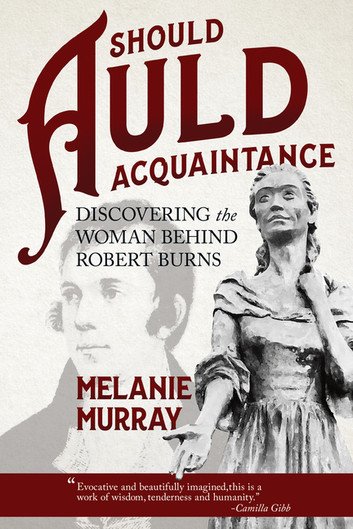
Should Auld Acquaintance: Discovering the Woman Behind Robert Burns brings Jean Armour’s story to life. Written by Melanie Murray, this biographical work reveals the untold narrative of Scotland’s most overlooked woman. Moreover, it explores the talented farmer who became Robert Burns’s wife. The book challenges traditional narratives about Burns and his romantic relationships.
Jean Armour lived in the shadow of her famous husband for centuries. However, her own story deserves recognition and celebration. Murray’s research uncovers a complex woman with agency, talent, and resilience. Furthermore, the book examines how history has marginalized Jean’s contributions and experiences.
The Woman History Forgot: Jean Armour’s Hidden Story
Jean Armour was far more than just Robert Burns’s wife. Additionally, she possessed remarkable talents as a farmer and household manager. Her skills kept the family afloat during difficult financial times. Nevertheless, history books rarely mention her name or acknowledge her contributions.
Born in 18th-century Scotland, Jean faced limited opportunities for women. Therefore, her achievements become even more impressive when viewed in context. She managed farms, raised children, and supported her husband’s literary career. Yet traditional biographies of Burns barely acknowledge her existence beyond romantic scandal.
Should Auld Acquaintance: A Forbidden Love Story
The relationship between Robert Burns and Jean Armour began as forbidden love. Consequently, their early romance scandalized their community and families. Jean’s father strongly opposed the match between his daughter and the poet. Moreover, social class differences complicated their relationship from the beginning.
Burns was a struggling poet with uncertain financial prospects. Meanwhile, Jean came from a respectable family with higher expectations. Their passionate affair defied social conventions and family wishes. Furthermore, the relationship faced numerous obstacles before they eventually married.
Key Challenges in Their Relationship:
- Family opposition from Jean’s father
- Social class differences and expectations
- Financial instability and poverty
- Burns’s reputation as a womanizer
- Multiple pregnancies before marriage
- Public scandal and community judgment
The Tumultuous Life Behind Scotland’s Greatest Poet
Jean Armour endured a tumultuous life filled with hardship and heartbreak. Additionally, she faced poverty, public scandal, and her husband’s infidelities. Burns fathered children with other women during their relationship. Nevertheless, Jean remained committed to her family and marriage despite these betrayals.
The couple struggled financially throughout their marriage and life together. Therefore, Jean’s farming skills became essential to their survival. She managed household finances with remarkable skill and determination. Moreover, she raised their children while Burns pursued his literary ambitions.
Melanie Murray: A Professor’s Perspective on Jean Armour
Melanie Murray brings unique qualifications to this biographical project. Furthermore, she serves as a literature professor at Okanagan College. Her academic expertise in composition and creative writing enriches the narrative. Additionally, her research skills uncover details previously overlooked by other biographers.
Murray approaches Jean’s story with both scholarly rigor and empathy. Consequently, she presents a balanced view of this complex historical figure. The author challenges romanticized versions of Burns’s life and relationships. Moreover, she insists on centering Jean’s perspective and experiences.
Revealing Jean Armour’s Agency and Complexity
Should Auld Acquaintance demonstrates Jean Armour’s remarkable agency throughout her life. Furthermore, the book shows how she made difficult choices in challenging circumstances. Jean wasn’t merely a passive victim of her husband’s behavior. Instead, she actively shaped her own destiny within severe constraints.
Murray reveals Jean as a woman of strength, intelligence, and resilience. Additionally, the biography explores her emotional depth and personal struggles. Jean made strategic decisions to protect her children and secure their future. Moreover, she demonstrated remarkable forgiveness and practical wisdom throughout her marriage.
18th-Century Scotland: Historical Context and Constraints
Understanding Jean’s story requires examining 18th-century Scottish society and culture. Furthermore, women faced severe legal and social restrictions during this period. Married women had virtually no property rights or legal standing. Therefore, Jean’s options were extremely limited by modern standards.
Scottish society strictly enforced class distinctions and social hierarchies during this era. Additionally, religious institutions wielded enormous power over people’s lives. Unmarried pregnancy brought severe social consequences and public humiliation. Moreover, women who defied conventions faced ostracism and economic hardship.
The Talented Farmer: Jean Armour’s Agricultural Skills
Jean Armour possessed exceptional skills in farming and agricultural management. Consequently, these abilities proved crucial to her family’s survival. She understood crop rotation, animal husbandry, and seasonal planning. Furthermore, she could manage workers and negotiate with merchants effectively.
Her farming expertise exceeded that of her famous husband significantly. Moreover, Burns often relied on Jean’s practical knowledge and judgment. She transformed struggling farms into productive enterprises through hard work. Additionally, her management skills compensated for Burns’s financial impracticality.
Beyond the Scandal: Jean’s Pregnancies and Motherhood
Jean Armour bore multiple children to Robert Burns before their marriage. Therefore, she faced public scandal and family rejection during these pregnancies. Her father disowned her temporarily, leaving her vulnerable and alone. Nevertheless, she persevered through these difficult circumstances with remarkable courage.
She eventually gave birth to nine children by Burns. Additionally, she raised some of his illegitimate children from other relationships. Her capacity for forgiveness and maternal devotion seems almost superhuman. Moreover, she managed to keep the family together despite overwhelming challenges.
The Marriage: Partnership and Betrayal
Robert Burns and Jean Armour finally married after years of turmoil. However, their marriage continued to face serious challenges and difficulties. Burns maintained relationships with other women throughout their union. Furthermore, his drinking and financial irresponsibility created ongoing problems.
Despite these betrayals, Jean remained loyal to her husband and family. Additionally, she provided stability that Burns desperately needed for his work. Their partnership was complex, combining genuine affection with profound dysfunction. Moreover, Jean’s contributions made Burns’s literary success possible in many ways.
Jean Armour’s Own Talents and Contributions
Jean possessed talents that extended far beyond farming and household management. Furthermore, she demonstrated remarkable emotional intelligence and interpersonal skills. She maintained relationships with Burns’s literary friends and patrons effectively. Additionally, she understood the importance of preserving her husband’s legacy.
After Burns’s death, Jean worked tirelessly to support their children. Moreover, she helped establish Burns’s reputation as Scotland’s national poet. She shared stories and memories with biographers and scholars generously. Therefore, much of what we know about Burns comes from Jean’s recollections.
Challenging the Traditional Burns Narrative
Murray’s biography challenges romanticized versions of Robert Burns’s life and relationships. Furthermore, it questions narratives that portray Burns as a tragic romantic hero. The book reveals the human cost of Burns’s behavior and choices. Additionally, it centers the experiences of the women he affected.
Traditional biographies often minimize or excuse Burns’s treatment of women. However, Should Auld Acquaintance refuses to perpetuate these problematic narratives. Murray insists on acknowledging the pain Burns caused his wife. Moreover, she demands that readers recognize Jean’s humanity and suffering.
The Research Behind Should Auld Acquaintance
Melanie Murray conducted extensive research to reconstruct Jean Armour’s life accurately. Furthermore, she examined letters, legal documents, and contemporary accounts carefully. She visited historical sites and consulted with Scottish historians and experts. Additionally, she analyzed Burns’s poetry for references to Jean and their relationship.
The author fills gaps in the historical record with informed speculation. Nevertheless, she clearly distinguishes between documented facts and reasonable inferences. Her research reveals previously overlooked details about Jean’s life and character. Moreover, she contextualizes Jean’s experiences within broader historical patterns.
Why Jean Armour’s Story Matters Today
Jean Armour’s story resonates powerfully with contemporary readers and audiences. Furthermore, it illustrates how history often erases women’s contributions and experiences. Her life demonstrates the resilience required to survive patriarchal oppression. Additionally, it shows how women created agency within severe constraints.
Modern readers can appreciate Jean’s strength and practical wisdom more fully. Moreover, her story challenges us to question whose narratives get told. We must ask whose perspectives are centered in historical accounts. Therefore, recovering Jean’s story represents an act of historical justice.
Literary Merit and Narrative Style
Murray writes with both scholarly precision and engaging narrative flair. Consequently, the biography reads like a compelling novel while maintaining accuracy. She brings 18th-century Scotland to life through vivid descriptions. Furthermore, she creates empathy for Jean without sentimentalizing her experiences.
The author balances historical detail with emotional resonance throughout the book. Additionally, she maintains suspense even though readers know the outcome. Her prose style makes academic research accessible to general readers. Moreover, she weaves together multiple narrative threads with skill and clarity.
The Legacy of Should Auld Acquaintance
This biography has changed how scholars and readers view Robert Burns. Furthermore, it has sparked renewed interest in Jean Armour’s life and contributions. The book demonstrates the importance of recovering marginalized women’s stories. Additionally, it provides a model for feminist biographical writing.
Murray’s work has inspired other scholars to examine Burns’s relationships differently. Moreover, it has contributed to broader conversations about literary biography. The book challenges readers to consider whose stories deserve telling. Therefore, it represents an important contribution to Scottish literary history.
Lessons from Jean Armour’s Life
Jean Armour’s life offers valuable lessons about resilience and survival. Furthermore, it demonstrates the power of practical skills and determination. She shows how women navigated impossible situations with grace and strength. Additionally, her story reveals the hidden labor that supports male genius.
Her capacity for forgiveness challenges modern readers to examine their values. Moreover, her loyalty raises questions about when commitment becomes self-sacrifice. Jean’s life illustrates both the constraints and possibilities of her era. Therefore, her story invites reflection on how far we’ve come.
The Importance of Centering Women’s Perspectives
Should Auld Acquaintance demonstrates why centering women’s perspectives matters in historical writing. Furthermore, it shows how different the story looks from Jean’s viewpoint. Traditional narratives focused on Burns’s genius and romantic adventures exclusively. However, Jean’s perspective reveals the human cost of that narrative.
By centering Jean’s experience, Murray creates a more complete historical picture. Additionally, she challenges readers to question whose stories get privileged. The book demonstrates that great men’s achievements often depend on women’s labor. Moreover, it insists that women’s experiences deserve recognition and respect.
Conclusion: Rediscovering Jean Armour Through Should Auld Acquaintance
Melanie Murray’s Should Auld Acquaintance: Discovering the Woman Behind Robert Burns recovers a lost voice from history. Through meticulous research and compelling narrative, Murray brings Jean Armour to life for contemporary readers. The biography reveals a talented farmer, devoted mother, and resilient woman who deserves recognition beyond her famous husband’s shadow.
Jean Armour’s tumultuous life included forbidden love, public scandal, financial hardship, and repeated betrayals. Nevertheless, she demonstrated remarkable strength, practical wisdom, and emotional resilience throughout these challenges. Her agricultural skills and household management kept the Burns family afloat during difficult times. Moreover, her support made Robert Burns’s literary achievements possible in fundamental ways.
Murray’s work as a literature professor at Okanagan College brings scholarly rigor to this biographical project. Furthermore, her research uncovers previously overlooked details about Jean’s agency and complexity. The book challenges romanticized narratives about Burns while insisting on Jean’s humanity and importance. Additionally, it contextualizes her experiences within 18th-century Scottish society’s severe constraints on women.
This biography matters because it demonstrates how history erases women’s contributions and perspectives. By recovering Jean Armour’s story, Murray performs an act of historical justice and feminist scholarship. The book invites readers to question whose narratives get told and whose experiences get centered. Therefore, it represents an essential contribution to both Scottish literary history and women’s biographical writing.
Jean Armour emerges from these pages as a complex, talented woman who shaped her own destiny within impossible constraints. Her story resonates with contemporary readers while illuminating a crucial period in Scottish history. Should Auld Acquaintance ensures that Jean Armour will no longer be forgotten behind her famous husband’s legacy.



Reviews
There are no reviews yet.