

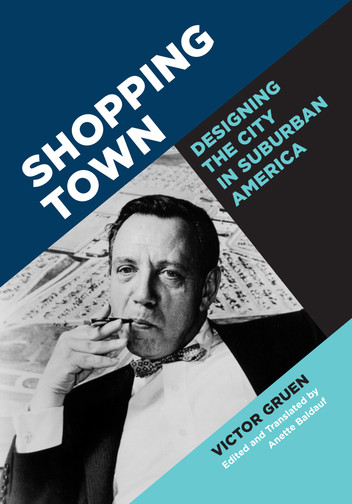
Description
Shopping Town: Designing the City in Suburban America – A Comprehensive Synopsis
Introduction to Victor Gruen’s Revolutionary Vision
Victor Gruen transformed American suburban life through his innovative shopping town concepts. This e-book explores how one architect revolutionized retail and community design. Furthermore, it reveals Gruen’s original vision for shopping centers as civic spaces. The book chronicles his journey from Vienna to becoming America’s most influential mall designer.
The Father of the American Shopping Mall
Victor Gruen earned recognition as the father of the U.S. shopping mall. However, his original vision extended far beyond simple retail spaces. Moreover, he imagined shopping centers as complete community hubs. His designs integrated cultural, social, and civic functions into commercial developments.
Gruen fled Austria during World War II and arrived in America with fresh ideas. Consequently, he brought European urban planning principles to suburban American landscapes. Therefore, his approach differed dramatically from typical American retail design.
Core Principles of Shopping Town Design
Gruen’s philosophy centered on creating vibrant community gathering places. In addition, he believed shopping centers should serve multiple purposes. His designs included these essential elements:
- Public gathering spaces and town squares
- Cultural venues like theaters and art galleries
- Civic buildings and community centers
- Pedestrian-friendly walkways and plazas
- Integration with public transportation systems
Suburban America and Community Development
The book examines how Gruen addressed suburban sprawl through thoughtful design. Meanwhile, post-war America experienced massive suburban expansion. As a result, communities needed new social and commercial infrastructure. Gruen saw shopping malls as solutions to suburban isolation.
His designs created destinations where people could shop, socialize, and participate in community life. Furthermore, these spaces offered protection from weather while encouraging pedestrian activity. Therefore, malls became modern versions of traditional town centers.
Legacy and Modern Urban Planning
Gruen’s influence extends into contemporary urban development and city planning. However, many modern malls diverged from his original community-focused vision. Nevertheless, recent trends show renewed interest in mixed-use developments. In addition, urban planners now embrace his integrated approach to commercial spaces.
The book also explores how some shopping centers evolved into true town centers. Moreover, it examines successful examples that maintained Gruen’s original vision. Consequently, readers gain insight into sustainable community design principles.
Conclusion: Relevance for Today’s Designers
“Shopping Town: Designing the City in Suburban America” offers valuable lessons for modern architects. Additionally, it provides historical context for understanding suburban development patterns. The book demonstrates how commercial spaces can enrich community life beyond mere consumption. Therefore, Gruen’s vision remains relevant for creating vibrant, people-centered urban environments today.






Reviews
There are no reviews yet.