

Description
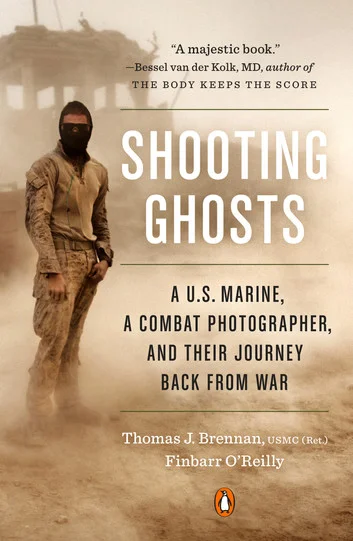
Shooting Ghosts: A U.S. Marine, a Combat Photographer, and Their Journey Back from War
“Shooting Ghosts: A U.S. Marine, a Combat Photographer, and Their Journey Back from War” tells the powerful true story of friendship forged in combat zones. Thomas J. Brennan, a U.S. Marine sergeant, and Finbarr O’Reilly, an award-winning combat photographer, met in Afghanistan’s deadly Helmand Province.
Moreover, their bond deepened through shared experiences in some of the world’s most dangerous war zones. Consequently, this book chronicles not just their time in combat but their difficult journey back from war.
The authors alternate chapters, offering dual perspectives on the same harrowing experiences and aftermath. Brennan writes from the Marine’s viewpoint, leading troops through intense firefights and constant danger. Meanwhile, O’Reilly documents the war through his camera lens, capturing moments of violence and humanity. Therefore, readers gain unprecedented insight into how warriors and witnesses process the same traumatic events differently.
Both men returned home carrying invisible wounds that would reshape their lives completely. However, they discovered that leaving the battlefield didn’t mean escaping the war’s psychological impact. Instead, they faced new battles with PTSD, survivor’s guilt, and the challenge of reintegrating into civilian life.
How a U.S. Marine and Combat Photographer Confronted PTSD Together
The heart of “Shooting Ghosts” explores the brutal reality of post-traumatic stress disorder honestly. Brennan struggled with nightmares, hypervigilance, and the inability to connect with loved ones after deployment. Furthermore, he experienced survivor’s guilt after losing Marines under his command in Afghanistan. Additionally, he found himself unable to explain his experiences to people who hadn’t witnessed war firsthand.
O’Reilly faced his own psychological demons despite his role as an observer rather than combatant. He carried the weight of images he’d captured and stories he’d witnessed throughout multiple war zones. Moreover, he questioned his purpose in documenting suffering without being able to prevent it. Consequently, both men realized that trauma doesn’t discriminate between those who fight and those who document.
Their journey back from war involved confronting several critical challenges:
- Processing traumatic memories from combat experiences in Afghanistan and Iraq
- Dealing with survivor’s guilt and questioning why they lived while others died
- Reconnecting with family members who couldn’t understand their wartime experiences
- Finding purpose and meaning in civilian life after intense combat deployments
- Navigating the inadequate mental health resources available to veterans
- Breaking through the stigma surrounding PTSD and mental health treatment
- Learning to communicate their experiences and emotions after years of suppression
The book reveals how their friendship became essential to their healing process and recovery. They could speak honestly with each other about experiences that seemed impossible to explain to others. Therefore, their bond provided a lifeline when both men struggled with suicidal thoughts and despair.
The Combat Photographer’s Unique Perspective on War and Recovery
O’Reilly’s chapters offer rare insight into the combat photographer’s experience of war and its aftermath. He embedded with military units, sharing their dangers while maintaining journalistic objectivity and professional distance. However, this position created its own psychological complexities and moral dilemmas that haunted him afterward.
His photographs captured the reality of modern warfare with unflinching honesty and powerful visual storytelling. Yet each image represented a moment of human suffering, violence, or loss that stayed with him. Moreover, he grappled with questions about the ethics of documenting tragedy without intervening directly. Consequently, his journey back from war involved reconciling his role as witness with his humanity.
The book explores how O’Reilly’s PTSD manifested differently from Brennan’s military trauma but proved equally devastating. He experienced intrusive memories triggered by sounds, smells, and images from his assignments worldwide. Furthermore, he struggled with the isolation of processing these experiences alone without military support systems. Therefore, his story illuminates how war trauma affects journalists, photographers, and humanitarian workers too.
Why Veterans and Families Need This Journey Back from War Story
“Shooting Ghosts” serves as an essential resource for veterans struggling with their own reintegration challenges. Brennan’s honest account of his PTSD symptoms and recovery attempts validates experiences many veterans face silently. Moreover, he demonstrates that seeking help represents strength rather than weakness in the healing process. Consequently, his story may encourage other veterans to pursue treatment and support without shame.
Military families will find valuable insights into what their loved ones experience during and after deployment. The book explains how combat changes people in ways that aren’t immediately visible or easily understood. Additionally, it offers perspective on why veterans sometimes struggle to communicate about their wartime experiences. Therefore, it can help bridge the gap between veterans and their families during difficult transitions.
Mental health professionals and PTSD researchers will appreciate the detailed, firsthand accounts of trauma symptoms. The dual narrative structure allows comparison between different types of combat-related PTSD and recovery paths. Furthermore, the book highlights gaps in current veteran mental health services and treatment approaches. However, it also celebrates the healing power of friendship, honesty, and shared understanding between survivors.
Conclusion: Two Men’s Powerful Journey Back from War
“Shooting Ghosts: A U.S. Marine, a Combat Photographer, and Their Journey Back from War” stands as a testament to survival and friendship. Thomas J. Brennan and Finbarr O’Reilly created something rare: an honest, unflinching examination of war’s psychological costs. Moreover, they demonstrate that healing requires courage, vulnerability, and connection with others who understand.
This book deserves attention from veterans, military families, mental health professionals, and anyone seeking to understand PTSD. It combines powerful storytelling with important insights about trauma, recovery, and the long journey back from war. Therefore, it serves both as memoir and as a crucial contribution to conversations about veteran mental health.
Ultimately, “Shooting Ghosts” reminds us that the battle doesn’t end when soldiers come home. By sharing their journey back from war so openly, Brennan and O’Reilly offer hope and understanding. Consequently, their story may help others find their own path toward healing and peace.



Reviews
There are no reviews yet.