

Description
Shoot an Iraqi: A Powerful Memoir of Art, Survival, and Political Resistance
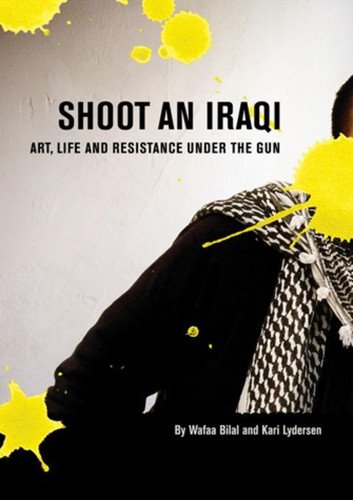
Shoot an Iraqi: Art, Life and Resistance Under the Gun by Wafaa Bilal and Kari Lydersen is a groundbreaking memoir. Moreover, it chronicles one artist’s extraordinary journey from war-torn Iraq to controversial fame. Furthermore, this book interweaves two compelling narratives that challenge readers’ perceptions of war. Consequently, it stands as one of the most provocative memoirs of our time.
Understanding Shoot an Iraqi: Two Stories in One
This remarkable book tells parallel stories that ultimately converge. First, it recounts Wafaa Bilal’s harrowing childhood in Iraq under Saddam Hussein’s brutal dictatorship. Additionally, it documents his revolutionary art project, called “Domestic Tension.” Therefore, readers experience both personal history and artistic innovation simultaneously.
The memoir doesn’t follow a traditional linear structure. Instead, it moves between past and present seamlessly. As a result, readers gain a deeper understanding of how trauma shapes artistic expression.
Growing Up in Saddam’s Iraq
Wafaa Bilal’s early life was marked by unimaginable hardship. He endured an abusive father who ruled with violence and fear. Meanwhile, Saddam Hussein’s regime terrorized the entire nation with equal brutality. Consequently, young Wafaa learned that survival meant silence and submission.
Life under dictatorship meant constant surveillance and danger. Furthermore, speaking against the government could result in imprisonment or death. Therefore, families lived in perpetual fear of secret police and informants.
Escape and the Refugee Experience
Eventually, Bilal fled Iraq, seeking safety and freedom elsewhere. However, escape didn’t mean immediate relief from suffering. Instead, he found himself trapped in overcrowded refugee camps with uncertain futures.
Refugee camps offered survival, but little dignity or hope. Moreover, conditions were often deplorable, with limited resources and opportunities. Nevertheless, Bilal persevered through these dark times with remarkable resilience.
The Domestic Tension Project: Shoot an Iraqi Comes to Life
Years later, Bilal created his most controversial artwork yet. He called it “Domestic Tension,” though many knew it simply as the paintball project. Specifically, he lived in a Chicago gallery for 31 consecutive days. During this time, anyone online could remotely shoot him with a paintball gun.
The project was both performance art and a political statement. Additionally, it served as an interactive commentary on modern warfare. Furthermore, it highlighted the disturbing disconnect between comfort and conflict zones.
How the Project Worked
The setup was deceptively simple, yet profoundly disturbing. Bilal lived in a gallery space with basic necessities. Meanwhile, a paintball gun was mounted and connected to the internet. Consequently, anyone worldwide could aim and fire at him remotely.
Participants could shoot Bilal with just a few clicks. Moreover, they could do so from the safety of their homes. Therefore, the project mimicked the experience of drone warfare operators.
Personal Tragedy Fuels Artistic Vision
Bilal’s brother was killed by a US drone strike in Iraq. This devastating loss profoundly shaped his artistic mission and political perspective. Consequently, “Domestic Tension” became deeply personal rather than merely conceptual.
The death transformed abstract political concerns into visceral, personal pain. Furthermore, it gave Bilal urgent motivation to make Americans understand war’s reality. Therefore, his art became a bridge between two vastly different worlds.
The Comfort Zone Versus the Conflict Zone
The project brilliantly illustrated a disturbing modern reality about warfare. Americans could participate in violence while eating dinner or watching television. Meanwhile, Iraqis lived with the constant threat of death and destruction. Consequently, the project forced uncomfortable questions about moral responsibility and distance.
This contrast between safety and danger was the project’s central theme. Moreover, it revealed how technology creates dangerous emotional detachment from violence. Therefore, participants had to confront their own complicity in remote warfare.
Critical Acclaim and Cultural Impact
The Chicago Tribune praised “Domestic Tension” as exceptionally powerful political art. Specifically, they called it “one of the sharpest works of political art” in recent memory. Additionally, numerous other publications and critics echoed this sentiment enthusiastically.
The project sparked intense debate about art, war, and ethics. Furthermore, it generated international media coverage and public discussion. Consequently, Bilal achieved his goal of forcing Americans to confront uncomfortable truths.
Why This Book Matters Today
Shoot an Iraqi remains urgently relevant in our current political climate. The book addresses themes that continue to resonate with contemporary audiences:
- The psychological impact of living under authoritarian regimes
- The refugee crisis and displacement caused by war
- Remote warfare and its ethical implications
- The role of art in political resistance
- The disconnect between those who wage war and those who suffer it
- How technology changes our relationship with violence
- The power of interactive art to create empathy
A Biography and Art Chronicle Combined
This book functions simultaneously as a memoir and art documentation. Moreover, it provides insight into both Bilal’s personal history and creative process. Therefore, readers gain an understanding of how life experiences shape artistic vision.
The narrative structure mirrors the project’s dual nature effectively. Additionally, co-author Kari Lydersen helps contextualize Bilal’s story within broader political frameworks. Consequently, the book appeals to diverse audiences with different interests.
The Horrors of Conflict Zones
Bilal doesn’t shy away from depicting war’s brutal realities honestly. Instead, he describes the constant fear, violence, and uncertainty with unflinching detail. Furthermore, he shows how conflict destroys not just bodies but souls.
Life in a conflict zone means never feeling truly safe. Moreover, it means watching loved ones suffer and die unnecessarily. Therefore, Bilal’s testimony serves as a powerful witness to war’s human cost.
Interactive Art as Political Resistance
The “Domestic Tension” project pioneered new forms of political engagement through art. Specifically, it used interactivity to implicate viewers in the violence they witnessed. Consequently, passive observation became impossible for participants who chose to shoot.
This approach transformed viewers into active participants rather than distant observers. Moreover, it forced them to make ethical choices in real-time. Therefore, the project created genuine moral dilemmas rather than abstract philosophical questions.
Technology and Modern Warfare
Bilal’s project brilliantly critiqued how technology enables moral disengagement from violence. Drone operators can kill people thousands of miles away without seeing consequences. Similarly, project participants could shoot Bilal without witnessing his pain directly. Consequently, both situations create dangerous psychological distance from violent actions.
This technological mediation of violence raises profound ethical questions. Furthermore, it challenges traditional notions of responsibility and accountability in warfare. Therefore, Bilal’s work remains an essential commentary on contemporary military practices.
The Power of Vulnerability
Bilal’s willingness to make himself vulnerable was central to the project’s impact. He literally put his body on the line for his art. Moreover, he endured physical pain and psychological stress for 31 days straight.
This vulnerability created genuine stakes that purely conceptual art cannot achieve. Additionally, it demonstrated his commitment to his message about war’s reality. Consequently, critics and audiences took his work seriously as authentic testimony.
Endurance and Resilience
Living under constant threat of paintball attacks required extraordinary mental fortitude. Furthermore, Bilal had to maintain his composure while being repeatedly shot. Therefore, the project became a test of endurance as much as an artistic statement.
His resilience mirrored the strength required to survive in actual conflict zones. Moreover, it gave audiences a tiny glimpse into what the constant threat feels like. Consequently, the project succeeded in creating empathy through shared experience.
A Testament to Survival
Ultimately, Shoot an Iraqi is a story about survival against overwhelming odds. Bilal survived dictatorship, abuse, refugee camps, and his brother’s death. Moreover, he transformed his trauma into powerful art that educates and challenges audiences.
The book demonstrates how art can be both personal healing and political activism. Furthermore, it shows that survivors can reclaim their narratives through creative expression. Therefore, it offers hope alongside its difficult truths about war and violence.
Conclusion: Why You Should Read This Book
Shoot an Iraqi: Art, Life and Resistance Under the Gun is essential reading for our times. It combines gripping personal narrative with innovative artistic documentation seamlessly. Moreover, it addresses urgent questions about war, technology, and moral responsibility that remain unresolved.
Whether you’re interested in contemporary art, Middle Eastern politics, or human resilience, this book offers valuable insights. Additionally, Bilal’s story reminds us that behind every statistic about war are real human beings with stories worth hearing. Therefore, this memoir stands as both a historical document and a timeless meditation on survival, resistance, and the transformative power of art.


Reviews
There are no reviews yet.