

Description
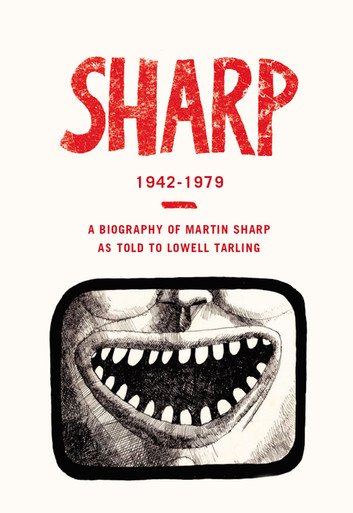
Sharp: 1942-1979 – The Definitive Martin Sharp Biography by Lowell Tarling
Introduction: Discovering the Martin Sharp Biography
This Martin Sharp biography chronicles the extraordinary life of Australia’s most influential pop artist. Furthermore, it explores his creative genius from 1942 through 1979. Lowell Tarling presents a comprehensive portrait of Sharp’s artistic journey and cultural impact.
Martin Sharp revolutionized Australian art through his bold, psychedelic vision and innovative techniques. Moreover, he became a defining voice of the 1960s counterculture movement. Therefore, understanding his life illuminates an entire era of creative rebellion and transformation.
This biography captures Sharp’s evolution from Sydney art student to international cultural icon. Additionally, it reveals the personal struggles behind his most celebrated works. Consequently, readers gain intimate access to one of Australia’s most enigmatic creative minds.
Early Life and Formative Years of Martin Sharp
Martin Sharp was born in Sydney, Australia, in 1942 to a privileged family. However, his comfortable upbringing didn’t shield him from creative restlessness and artistic ambition. Also, his early years shaped the rebellious spirit that defined his later work.
Sharp attended Cranbrook School, where his artistic talents first emerged and flourished significantly. Furthermore, he developed a distinctive visual style that challenged conventional artistic boundaries. Meanwhile, post-war Sydney provided a conservative backdrop against which Sharp’s creativity rebelled.
His family expected him to pursue traditional professional paths and respectable careers. Nevertheless, Sharp felt drawn to art, music, and the emerging counterculture movement. Therefore, he chose creative expression over conventional success and societal expectations.
Martin Sharp’s Education and Artistic Development
Sharp enrolled at the National Art School in Sydney during the early 1960s. Moreover, this period proved crucial for developing his unique artistic voice and vision. Also, he encountered like-minded creatives who shared his passion for pushing boundaries.
The art school environment encouraged experimentation with new techniques and bold ideas. Furthermore, Sharp absorbed influences from pop art, surrealism, and commercial design. Consequently, he began synthesizing these elements into his distinctive psychedelic style.
During his student years, Sharp contributed cartoons and illustrations to various publications. Additionally, he co-founded the satirical magazine Oz with Richard Neville and Richard Walsh. Therefore, his career as a provocative visual artist officially began during this time.
The Oz Magazine Era and Cultural Revolution
Oz magazine became Australia’s most controversial publication during the mid-1960s counterculture explosion. Furthermore, Sharp’s artwork provided the visual identity that made Oz instantly recognizable. Also, his illustrations challenged authority, celebrated sexuality, and questioned social norms relentlessly.
The magazine faced obscenity charges and legal battles that only increased its notoriety. However, Sharp’s artistic contributions elevated Oz beyond mere scandal to genuine cultural significance. Moreover, his work demonstrated that commercial art could carry profound social commentary.
Sharp’s Oz covers featured vibrant colors, distorted figures, and surreal imagery. Additionally, they captured the psychedelic aesthetic that defined 1960s youth culture worldwide. Consequently, these designs became iconic representations of an entire generation’s rebellious spirit.
Moving to London: Martin Sharp’s International Breakthrough
In 1966, Sharp relocated to London, the epicenter of swinging sixties culture. Furthermore, this move transformed him from Australian provocateur to international artistic phenomenon. Also, London’s vibrant creative scene provided endless inspiration and collaborative opportunities.
Sharp shared a flat at 31 Pheasantry with musician Eric Clapton. Moreover, this friendship profoundly influenced both artists’ creative output and personal development. Therefore, Sharp became deeply embedded in London’s rock music and art scenes.
The London version of Oz magazine launched with Sharp as art director. Additionally, his psychedelic designs reached wider audiences and gained international recognition. Consequently, Sharp’s reputation as a visionary artist grew exponentially during this period.
Martin Sharp’s Collaboration with Eric Clapton
Sharp and Clapton’s friendship produced one of rock history’s most memorable collaborations. Furthermore, Sharp designed the iconic cover for Cream’s album “Disraeli Gears” in 1967. Also, this artwork became one of the most recognizable images in rock music.
The “Disraeli Gears” cover featured swirling psychedelic colors and distorted band photographs. Moreover, it perfectly captured the experimental, mind-expanding spirit of Cream’s music. Therefore, the album cover became as legendary as the music itself.
Sharp and Clapton also co-wrote the song “Tales of Brave Ulysses” together. Additionally, this collaboration demonstrated Sharp’s versatility beyond visual arts into musical creativity. Consequently, their partnership enriched both the visual and sonic landscapes of 1960s culture.
The Psychedelic Poster Art of Martin Sharp
Sharp’s poster designs became defining images of the psychedelic era’s visual culture. Furthermore, his work for concerts and events featured bold colors and flowing forms. Also, these posters transformed commercial advertising into legitimate artistic expression.
His poster for Bob Dylan’s 1966 Australian tour remains an iconic piece. Moreover, Sharp created memorable images for Jimi Hendrix, Cream, and other musical legends. Therefore, his posters became collectible art pieces that transcended their promotional purposes.
Sharp’s technique involved collage, hand-lettering, and vibrant color combinations that dazzled viewers. Additionally, he incorporated Art Nouveau influences with contemporary psychedelic sensibilities seamlessly. Consequently, his posters achieved a timeless quality that still resonates today.
Martin Sharp Biography: The Tiny Tim Portrait Series
Sharp created a remarkable series of portraits featuring eccentric performer Tiny Tim. Furthermore, these works demonstrated Sharp’s ability to capture personality through exaggerated, colorful imagery. Also, they revealed his fascination with outsider figures and unconventional celebrities.
The Tiny Tim portraits featured the performer’s distinctive features rendered in Sharp’s psychedelic style. Moreover, they celebrated individuality and eccentricity rather than mocking their unusual subject. Therefore, these works exemplified Sharp’s compassionate approach to portraiture and human subjects.
These portraits appeared in Oz magazine and various exhibitions throughout the late 1960s. Additionally, they showcased Sharp’s range beyond commercial work into fine art territory. Consequently, critics began recognizing Sharp as a serious artist, not merely a designer.
Return to Australia and Artistic Evolution
Sharp returned to Sydney in 1969, bringing international experience and expanded artistic vision. However, he found Australia’s cultural landscape had changed significantly during his absence. Also, the counterculture movement had finally reached conservative Australian shores and minds.
His return coincided with growing interest in Australian identity and cultural nationalism. Furthermore, Sharp began incorporating distinctly Australian themes into his increasingly sophisticated work. Moreover, he started exploring new mediums beyond poster design and magazine illustration.
Sharp established a studio in Sydney and continued producing artwork prolifically. Additionally, he became involved in heritage conservation efforts, particularly regarding Luna Park. Therefore, his focus expanded from pure art creation to cultural preservation activities.
The Luna Park Campaign and Cultural Activism
Sharp became passionately involved in saving Sydney’s Luna Park from demolition threats. Furthermore, this campaign demonstrated his commitment to preserving Australia’s cultural heritage and history. Also, it revealed his belief that art existed in public spaces, not just galleries.
Luna Park’s whimsical architecture and nostalgic charm resonated deeply with Sharp’s artistic sensibilities. Moreover, he created artwork celebrating the amusement park’s unique character and cultural significance. Therefore, Sharp became a leading voice in Sydney’s heritage conservation movement.
His Luna Park paintings featured the park’s iconic laughing face and Art Deco details. Additionally, these works combined his psychedelic style with architectural documentation and social commentary. Consequently, Sharp’s activism and art became inseparable aspects of his creative practice.
Martin Sharp’s Major Artistic Works and Achievements
Sharp’s career produced numerous iconic works that defined an era’s visual culture. Furthermore, his influence extended across multiple mediums and artistic disciplines throughout his life. Also, his legacy continues inspiring contemporary artists and designers worldwide today.
Martin Sharp’s Most Significant Artistic Contributions:
- Co-founding Oz magazine and creating its distinctive psychedelic visual identity
- Designing the legendary “Disraeli Gears” album cover for Cream in 1967
- Creating iconic psychedelic concert posters for Bob Dylan, Jimi Hendrix, and others
- Co-writing “Tales of Brave Ulysses” with Eric Clapton for Cream
- Producing the celebrated Tiny Tim portrait series in vibrant psychedelic style
- Serving as art director for London Oz magazine during peak counterculture years
- Creating the “Mister Tambourine Man” poster series inspired by Bob Dylan
- Developing the “Eternity” series celebrating Sydney’s cultural history and character
- Leading the campaign to save Luna Park through art and activism
- Producing large-scale paintings that elevated pop art to fine art status
- Contributing to underground press publications across Australia, Britain, and America
- Designing theatrical sets and costumes for various Australian productions
- Creating the “Sunblind” series exploring light, color, and perception
- Documenting Sydney’s architectural heritage through detailed, colorful paintings
- Influencing generations of Australian artists through his fearless creative vision
Martin Sharp Artist: Style and Technique Analysis
Sharp’s artistic style blended pop art, Art Nouveau, and psychedelic aesthetics seamlessly. Furthermore, his work featured intense colors, flowing lines, and distorted perspectives consistently. Also, he employed collage techniques that created layered, complex visual narratives.
His color palette favored vibrant yellows, oranges, pinks, and electric blues predominantly. Moreover, these colors created the hallucinogenic quality that defined psychedelic art movements. Therefore, Sharp’s work visually embodied the consciousness-expanding experiences of the 1960s era.
Sharp often incorporated text and typography directly into his visual compositions creatively. Additionally, he used hand-lettering that became an integral part of each artwork’s design. Consequently, his pieces functioned simultaneously as images and readable, meaningful messages.
The Influence of Surrealism on Martin Sharp’s Work
Surrealist artists like Salvador Dalí profoundly influenced Sharp’s artistic development and vision. Furthermore, Sharp admired how surrealism challenged reality and explored subconscious realms fearlessly. Also, he incorporated dreamlike imagery and unexpected juxtapositions into his own work.
Sharp’s portraits often featured melting forms and distorted proportions reminiscent of Dalí. Moreover, he created impossible spaces where multiple perspectives existed simultaneously within compositions. Therefore, his work invited viewers into altered states of perception and consciousness.
The surrealist influence became more pronounced in Sharp’s later, more introspective works. Additionally, he explored themes of memory, time, and mortality through surrealist techniques. Consequently, his art evolved from youthful rebellion to profound philosophical meditation.
Martin Sharp’s Relationship with Australian Identity
Sharp’s work increasingly celebrated distinctly Australian subjects, landscapes, and cultural icons. Furthermore, he became fascinated with Sydney’s unique architectural heritage and urban character. Also, he explored what it meant to be Australian during a transformative era.
His “Eternity” series referenced Arthur Stace, who chalked that word across Sydney. Moreover, Sharp transformed this local legend into powerful artistic statements about permanence. Therefore, he elevated everyday Australian stories to the level of universal human experience.
Sharp’s later paintings documented Sydney’s changing face with both celebration and melancholy. Additionally, he captured the tension between progress and preservation in urban environments. Consequently, his work became an important record of Sydney’s cultural and physical evolution.
The Personal Struggles Behind Martin Sharp’s Art
Despite his success, Sharp battled personal demons including depression and creative anxiety. Furthermore, his perfectionism often prevented him from completing or exhibiting finished works. Also, he struggled with the commercial aspects of the art world throughout his career.
Sharp’s sensitivity to criticism and rejection caused him significant emotional distress regularly. Moreover, he withdrew from public life increasingly as he aged and faced challenges. Therefore, his later years were marked by isolation despite his earlier social prominence.
Financial difficulties plagued Sharp despite his international recognition and artistic achievements consistently. Additionally, he often gave away work or sold pieces for far less than their true value. Consequently, Sharp never achieved the financial security his talent and influence deserved.
Martin Sharp Biography: The 1970s Transition Period
The 1970s represented a transitional period in Sharp’s artistic career and personal life. Furthermore, the counterculture movement that defined his early work had largely dissipated. Also, Sharp needed to redefine his artistic purpose in a changing cultural landscape.
He moved away from commercial work toward more personal, introspective artistic projects. Moreover, Sharp began creating larger-scale paintings that explored deeper philosophical themes consistently. Therefore, his work became less about rebellion and more about reflection and meaning.
Sharp’s 1970s output was less prolific but more contemplative than his 1960s work. Additionally, he spent more time on individual pieces, perfecting every detail meticulously. Consequently, each work from this period carried greater emotional weight and artistic significance.
The Legacy of Martin Sharp’s Artistic Vision
Sharp’s influence on Australian art and culture extends far beyond his lifetime. Furthermore, he demonstrated that commercial art could carry profound meaning and artistic merit. Also, he proved Australian artists could achieve international recognition and lasting impact.
His psychedelic aesthetic influenced countless designers, illustrators, and fine artists globally. Moreover, Sharp’s work continues appearing in exhibitions, books, and retrospectives worldwide regularly. Therefore, new generations continually discover and appreciate his visionary creative output.
Sharp’s commitment to cultural preservation inspired ongoing heritage conservation efforts in Australia. Additionally, his Luna Park campaign established artists as legitimate voices in urban planning debates. Consequently, Sharp’s activism created lasting change beyond his purely artistic contributions.
Lowell Tarling’s Approach to Martin Sharp Biography
Lowell Tarling brings meticulous research and genuine affection to this comprehensive biography. Furthermore, Tarling had personal access to Sharp’s archives, friends, and family members. Also, his writing captures both Sharp’s genius and his human vulnerabilities honestly.
The biography covers 1942 through 1979, Sharp’s most productive and influential creative period. Moreover, Tarling provides context for understanding Sharp’s work within broader cultural movements. Therefore, readers gain both personal insight and historical perspective throughout the narrative.
Tarling’s writing style balances scholarly research with engaging storytelling and accessible prose. Additionally, the biography includes numerous illustrations showcasing Sharp’s most important works. Consequently, readers experience Sharp’s art while learning about the man behind it.
Understanding Martin Sharp’s Place in Art History
Sharp occupies a unique position bridging commercial design and fine art successfully. Furthermore, he helped legitimize psychedelic art as a serious artistic movement worldwide. Also, Sharp demonstrated how popular culture could inspire profound artistic expression.
His work belongs in conversations about pop art alongside Warhol and Lichtenstein. Moreover, Sharp’s Australian perspective brought fresh energy to international pop art movements. Therefore, he deserves recognition as a major figure in twentieth-century art history.
Sharp’s influence on graphic design, illustration, and visual culture remains significant today. Additionally, contemporary artists continue drawing inspiration from his fearless experimentation and bold vision. Consequently, Sharp’s artistic legacy grows stronger with each passing decade.
The Friendship Networks That Shaped Martin Sharp
Sharp’s creative development was profoundly influenced by his friendships with other artists. Furthermore, his collaborations with musicians, writers, and designers enriched his artistic vision. Also, these relationships provided emotional support during difficult creative and personal periods.
His friendship with Eric Clapton represented the ideal creative partnership between disciplines. Moreover, Sharp maintained connections with Richard Neville, Germaine Greer, and other cultural figures. Therefore, he remained embedded in networks of influential, innovative thinkers throughout his life.
These friendships often inspired specific artworks and creative projects that defined Sharp’s career. Additionally, his social connections opened doors to exhibitions, commissions, and collaborative opportunities. Consequently, Sharp’s art cannot be separated from the rich social context surrounding it.
Martin Sharp’s Contribution to Australian Cultural Identity
Sharp helped define what Australian art could be during a crucial cultural moment. Furthermore, he proved Australian artists didn’t need to imitate European or American styles. Also, Sharp demonstrated that Australian perspectives had unique value in international art conversations.
His work celebrated Australian eccentricity, humor, and irreverence without condescension or mockery. Moreover, Sharp captured the Australian spirit of questioning authority and challenging conventions fearlessly. Therefore, his art became a mirror reflecting Australia’s evolving cultural self-understanding.
Sharp’s legacy includes inspiring subsequent generations of Australian artists to embrace boldness. Additionally, he showed that commercial success and artistic integrity weren’t mutually exclusive goals. Consequently, Sharp opened pathways for Australian creatives in multiple disciplines and mediums.
The Enduring Relevance of Martin Sharp’s Psychedelic Art
Sharp’s psychedelic aesthetic remains visually powerful and culturally relevant decades after creation. Furthermore, his work transcends its historical moment to speak to universal human experiences. Also, contemporary audiences continue responding to Sharp’s vibrant, consciousness-expanding visual language.
The themes Sharp explored—identity, perception, consciousness, freedom—remain perpetually relevant to human experience. Moreover, his artistic techniques and bold color choices still feel fresh and innovative. Therefore, Sharp’s work avoids the dated quality that afflicts much period-specific art.
New technologies allow Sharp’s designs to reach audiences through digital platforms worldwide. Additionally, his work translates beautifully to contemporary mediums like websites and social media. Consequently, Sharp’s artistic vision continues finding new audiences and renewed appreciation constantly.
Collecting and Preserving Martin Sharp’s Artistic Heritage
Sharp’s original works have become highly sought after by collectors and institutions. Furthermore, major galleries now recognize his pieces as important Australian cultural artifacts. Also, the market value of Sharp’s work has increased significantly since his death.
Preservation efforts ensure Sharp’s legacy remains accessible to future generations of admirers. Moreover, digitization projects are making his work available to global audiences online. Therefore, Sharp’s influence continues expanding beyond physical artworks into digital cultural spaces.
The National Gallery of Australia and other institutions hold significant Sharp collections. Additionally, private collectors worldwide treasure his posters, paintings, and original magazine artwork. Consequently, Sharp’s work is both preserved and celebrated in multiple contexts simultaneously.
Martin Sharp Biography: Lessons for Contemporary Artists
Sharp’s career offers valuable lessons about artistic integrity and creative courage for today’s artists. Furthermore, his willingness to experiment and take risks resulted in groundbreaking work. Also, Sharp demonstrated that commercial work could maintain artistic value and personal vision.
His struggles with perfectionism and self-doubt remind us that even geniuses face challenges. Moreover, Sharp’s story illustrates the importance of supportive creative communities and friendships. Therefore, contemporary artists can learn from both his successes and his difficulties.
Sharp’s commitment to cultural preservation shows artists’ responsibility extends beyond personal creation. Additionally, his activism demonstrates how art can effect real change in society. Consequently, Sharp’s life exemplifies the artist as both creator and engaged citizen.
The Cultural Context of 1960s and 1970s Australia
Understanding Sharp’s work requires appreciating the conservative Australia he initially rebelled against. Furthermore, the 1960s brought dramatic social changes that Sharp both reflected and accelerated. Also, Australia’s cultural awakening during this period provided fertile ground for Sharp’s vision.
The Vietnam War, censorship battles, and generational conflicts shaped Sharp’s artistic development. Moreover, Australia’s growing cultural confidence allowed artists like Sharp to flourish internationally. Therefore, Sharp’s career paralleled Australia’s emergence as a significant cultural force globally.
By the 1970s, Australia had transformed from cultural backwater to vibrant creative center. Additionally, Sharp’s success helped establish Australia’s reputation for producing world-class artists. Consequently, his career both benefited from and contributed to Australia’s cultural renaissance.
Conclusion: The Lasting Impact of Martin Sharp’s Vision
This Martin Sharp biography by Lowell Tarling captures an extraordinary artist’s life comprehensively. Furthermore, it reveals how one person’s vision can transform culture and inspire generations. Also, it demonstrates the power of art to challenge, provoke, and ultimately enlighten.
Martin Sharp’s artistic legacy extends far beyond the psychedelic posters that made him famous. Moreover, his influence touches graphic design, fine art, music, and cultural preservation efforts. Therefore, Sharp deserves recognition as one of Australia’s most significant cultural figures.
Sharp’s fearless creativity and uncompromising vision continue inspiring artists worldwide to push boundaries. Additionally, his work reminds us that art can be both beautiful and meaningful. Consequently, studying Sharp’s life and work enriches our understanding of art’s transformative power.
The period from 1942 to 1979 encompassed Sharp’s most productive and influential years. Furthermore, Tarling’s biography ensures this remarkable artist receives the recognition he deserves. Also, it preserves Sharp’s story for future generations who will undoubtedly find inspiration.
Martin Sharp proved that Australian artists could achieve international acclaim while maintaining unique voices. Moreover, he demonstrated that commercial art could carry profound artistic and social significance. Therefore, his legacy challenges artificial boundaries between high art and popular culture.
This biography stands as essential reading for anyone interested in Australian art history. Additionally, it offers valuable insights into the counterculture movement’s visual culture and impact. Consequently, “Sharp: 1942-1979” ensures Martin Sharp’s vision continues illuminating and inspiring audiences worldwide.


Reviews
There are no reviews yet.