

Description
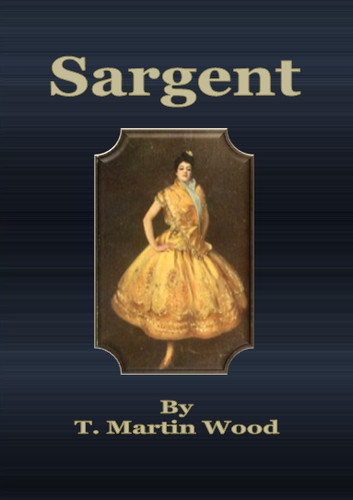
Sargent by T. Martin Wood: A Comprehensive Guide to the Master Portrait Painter
Introduction to Sargent’s Artistic Legacy
Sargent stands as one of history’s most celebrated portrait painters. This e-book by T. Martin Wood offers readers an intimate exploration of John Singer Sargent’s remarkable career. Moreover, it provides detailed insights into his revolutionary techniques and enduring influence. Consequently, readers gain a deeper appreciation for this American master’s contributions to art history.
John Singer Sargent transformed portrait painting during the late 19th and early 20th centuries. His work captured the essence of high society with unprecedented skill. Furthermore, his technical mastery set new standards for generations of artists to follow.
Discovering Sargent’s Artistic Journey
T. Martin Wood’s comprehensive study traces Sargent’s development from his early training to international acclaim. The book examines his formative years studying under Carolus-Duran in Paris. Additionally, it explores how European influences shaped his distinctive style and approach to portraiture.
Readers will discover how Sargent navigated the competitive art world of his time. His bold brushwork and confident compositions initially sparked controversy. However, these same qualities eventually established him as the premier portrait painter of his generation.
Sargent’s Revolutionary Painting Technique
Masterful Brushwork and Color Theory
Sargent’s technique combined virtuoso brushwork with sophisticated understanding of light and color. Wood’s analysis reveals the painter’s methodical approach to capturing his subjects. Moreover, the book demonstrates how Sargent achieved remarkable luminosity through careful color layering.
His portraits appear effortless, yet they required meticulous planning and execution. Each brushstroke served a specific purpose in building form and atmosphere. Therefore, studying his methods provides valuable lessons for contemporary artists and art enthusiasts alike.
The Psychology of Portraiture
Sargent possessed an extraordinary ability to reveal his subjects’ personalities and social standing. His portraits transcended mere physical likeness to capture psychological depth. Furthermore, he understood how pose, lighting, and setting contributed to overall impact.
The book explores how Sargent collaborated with his sitters to create compelling compositions. He carefully considered every element from costume to background details. Consequently, his portraits became powerful statements about identity and status in Gilded Age society.
What Readers Will Find in This Essential Volume
Comprehensive Coverage of Sargent’s Career
This e-book provides thorough examination of John Singer Sargent’s artistic evolution and major works. Wood presents detailed analysis accessible to both scholars and general readers. Additionally, the text illuminates lesser-known aspects of the artist’s life and creative process.
Key features include:
- In-depth biographical information about Sargent’s cosmopolitan upbringing and artistic training
- Detailed analysis of major portraits including Madame X and Lady Agnew of Lochnaw
- Exploration of his watercolor landscapes and their significance beyond portrait work
- Discussion of his working methods including studio practices and client relationships
- Examination of critical reception during his lifetime and posthumous reputation
- Contextual information about the social and cultural world Sargent inhabited
- Technical insights into his materials, palette choices, and painting techniques
Understanding Sargent’s Place in Art History
Wood situates Sargent within broader artistic movements of his era. The book examines his relationship to Impressionism while maintaining his unique identity. Moreover, it explores how he balanced commercial success with artistic integrity throughout his career.
Readers gain perspective on why Sargent’s reputation fluctuated after his death. His representational style fell from favor during modernism’s rise. However, recent decades have witnessed renewed appreciation for his extraordinary technical abilities and psychological insight.
The Significance of Sargent’s Portrait Legacy
Capturing an Era Through Paint
Sargent’s portraits provide invaluable documentation of late Victorian and Edwardian society. His subjects included prominent figures from politics, arts, and aristocracy across Europe and America. Therefore, his work offers historical insights beyond purely aesthetic considerations.
The book demonstrates how Sargent’s paintings reflect changing social dynamics and cultural values. His female subjects particularly reveal evolving attitudes toward women’s roles and representation. Furthermore, his approach to depicting wealth and power remains relevant for contemporary viewers.
Technical Excellence and Artistic Innovation
Despite working in a traditional genre, Sargent brought remarkable innovation to portrait painting. His loose, confident brushwork anticipated later developments in modern art. Meanwhile, his ability to suggest form with minimal strokes influenced countless subsequent artists.
Wood’s analysis helps readers understand what made Sargent’s technique so revolutionary. His paintings demonstrate perfect balance between spontaneity and control. Consequently, they continue to inspire and challenge artists working in representational traditions today.
Sargent’s Watercolors and Landscape Work
Beyond Portraiture: A Versatile Artist
While primarily known for portraits, Sargent produced extraordinary watercolors throughout his career. These works reveal a more experimental, personal side of his artistic practice. Moreover, they demonstrate his ability to capture light and atmosphere with remarkable economy.
The book explores how watercolor painting provided creative freedom from portrait commissions’ constraints. Sargent’s landscape studies show spontaneity and boldness that sometimes exceeded his formal portraits. Additionally, these works influenced the development of watercolor as a serious artistic medium.
Travel and Artistic Exploration
Sargent’s extensive travels informed both his portrait work and independent artistic explorations. He painted watercolors in Venice, the Middle East, and throughout Europe. Furthermore, these journeys exposed him to diverse visual traditions that enriched his artistic vocabulary.
Wood examines how travel subjects allowed Sargent to experiment with composition and color. These works often featured architectural subjects, gardens, and everyday scenes. Therefore, they provide insight into his broader artistic interests beyond commissioned portraiture.
The Artist’s Studio Practice and Methods
Sargent’s Professional Approach
T. Martin Wood provides fascinating details about how Sargent organized his professional practice. His London studio became a destination for society’s elite seeking prestigious portraits. Moreover, his working methods balanced efficiency with the meticulous attention each commission required.
The book describes typical portrait sessions and how Sargent interacted with clients. He worked quickly, often completing portraits in remarkably few sittings. However, this apparent speed resulted from years of disciplined practice and technical mastery.
Materials and Technical Choices
Understanding Sargent’s materials helps explain his paintings’ distinctive qualities and lasting preservation. Wood discusses his palette preferences, canvas preparation, and medium choices. Additionally, the book examines how these technical decisions contributed to his characteristic effects.
Sargent favored certain pigments that allowed him to achieve luminous flesh tones. His brushes ranged from fine detail tools to broad implements for sweeping passages. Consequently, his technical setup supported the versatile approach his style required.
Critical Reception and Artistic Reputation
Contemporary Success and Later Reassessment
During his lifetime, Sargent enjoyed extraordinary success and international recognition. His portraits commanded premium prices and attracted prestigious commissions. Furthermore, he received honors from artistic institutions across Europe and America.
However, changing artistic tastes after his death temporarily diminished his reputation. Modernist critics dismissed his work as superficial and overly commercial. Meanwhile, representational painting generally fell from favor in critical discourse throughout much of the 20th century.
Modern Appreciation of Sargent’s Achievement
Recent decades have witnessed dramatic reassessment of Sargent’s contributions to art history. Scholars now recognize his technical brilliance and psychological insight. Moreover, major exhibitions have introduced his work to new generations of admirers.
Wood’s book contributes to this renewed appreciation by providing thorough, balanced analysis. It acknowledges both his extraordinary gifts and the limitations of his chosen genre. Therefore, readers gain nuanced understanding of his place in art history’s broader narrative.
Why This Book Matters for Art Enthusiasts
Accessible Expertise for All Readers
T. Martin Wood writes with clarity that makes complex artistic concepts understandable. His analysis never sacrifices depth for accessibility. Additionally, the book serves both casual readers and serious students of art history.
The text provides context that enhances appreciation when viewing Sargent’s actual paintings. Readers learn what to look for in his brushwork, composition, and color relationships. Consequently, the book transforms passive viewing into active, informed engagement with the artwork.
A Lasting Resource on a Master Painter
This e-book represents an essential resource for anyone interested in portrait painting or art history. It offers comprehensive coverage that remains relevant despite changing critical fashions. Moreover, Wood’s insights help readers understand why Sargent’s work continues to captivate audiences worldwide.
The book celebrates technical excellence while acknowledging the social context surrounding Sargent’s career. It examines both his triumphs and the constraints within which he worked. Therefore, it presents a complete, honest portrait of the artist himself.
Conclusion: Sargent’s Enduring Legacy
John Singer Sargent’s influence on portrait painting remains profound more than a century after his death. His technical mastery set standards that continue to inspire contemporary artists. Furthermore, his portraits provide windows into a vanished world of elegance and social complexity.
T. Martin Wood’s “Sargent” offers readers an invaluable guide to understanding this remarkable artist’s achievements. The book combines scholarly rigor with engaging prose that brings the painter’s world to life. Moreover, it demonstrates why Sargent deserves recognition as one of history’s greatest portrait painters.
Whether you’re an art student, collector, or simply someone who appreciates beautiful painting, this book provides essential insights. It reveals the dedication, skill, and vision required to achieve artistic excellence. Consequently, readers emerge with deeper appreciation for both Sargent’s specific contributions and portrait painting’s enduring power.
This comprehensive study ensures that Sargent’s legacy continues to educate and inspire future generations. His work reminds us that technical mastery and artistic vision can create timeless beauty. Therefore, exploring his career through Wood’s expert guidance enriches our understanding of art’s possibilities and purposes.




Reviews
There are no reviews yet.