

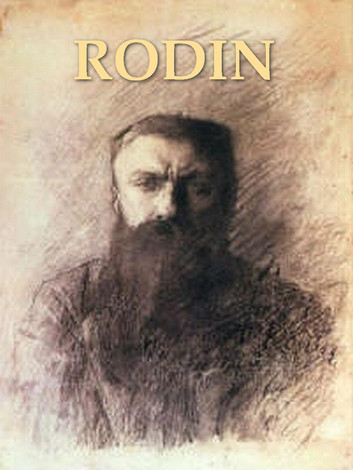
Description
Auguste Rodin: A Revolutionary Sculptor’s Life and Legacy
Auguste Rodin stands as one of history’s most influential sculptors. This comprehensive e-book by Judith Cladel offers an intimate portrait of the artist. Moreover, it provides unique insights through excerpts from his personal notebooks.
Auguste Rodin transformed sculpture from classical traditions into modern expression. His revolutionary approach challenged conventions and inspired generations. Furthermore, this biography reveals the man behind the masterpieces. Auguste Rodin emerges as both visionary artist and complex individual.
The Author and Her Subject: Judith Cladel’s Intimate Portrait
Judith Cladel knew Rodin personally for many years. Therefore, her biography carries special authority and authenticity. She observed his creative process firsthand in his studio. Additionally, she gained access to his private thoughts and reflections. Her intimate knowledge enriches every page of this work. Consequently, readers encounter Rodin as few others could present him.
S.K. Star’s translation brings Cladel’s French text to English readers. The translation preserves the original’s warmth and insight. Meanwhile, it makes the content accessible to broader audiences. Star captures both factual details and emotional nuances effectively.
James Huneker provides the introduction to this edition. His perspective as art critic adds valuable context. Furthermore, Huneker situates Rodin within the broader art world. His introduction prepares readers for the journey ahead.
Auguste Rodin’s Early Life and Artistic Awakening
Rodin was born in Paris in 1840. His family belonged to the working class. Therefore, his path to artistic greatness faced many obstacles. Young Rodin showed early talent for drawing and observation. However, he struggled to gain acceptance in traditional art circles.
The École des Beaux-Arts rejected him three times. Nevertheless, Rodin persisted in developing his skills. He worked as a craftsman and ornamental sculptor instead. These years taught him technical mastery and patience. Moreover, they shaped his understanding of form and material.
Rodin studied the human body with scientific precision. He visited museums and observed classical sculptures intensely. Additionally, he drew from live models constantly. His dedication to understanding anatomy became legendary. Consequently, his figures would later display unprecedented realism.
Auguste Rodin’s Revolutionary Approach to Sculpture
Traditional sculpture emphasized idealized beauty and smooth surfaces. Rodin rejected these conventions boldly and deliberately. Instead, he embraced rough textures and emotional intensity. His surfaces captured light and shadow dramatically. Furthermore, his figures expressed psychological depth and movement.
Auguste Rodin believed sculpture should reveal inner life. He sought to capture fleeting moments and emotions. Therefore, his works often appear unfinished or fragmentary. This approach shocked conservative critics initially. However, it revolutionized how artists conceived sculptural form.
The Influence of Michelangelo on Auguste Rodin
Rodin traveled to Italy in 1875. There, he encountered Michelangelo’s sculptures directly. The experience transformed his artistic vision completely. Moreover, it confirmed his instincts about expressive power. Michelangelo’s influence appears throughout Rodin’s mature work.
He admired Michelangelo’s ability to convey struggle. The Italian master’s figures embodied spiritual and physical tension. Similarly, Rodin’s sculptures would express profound human experiences. He learned that incompleteness could suggest infinite possibility.
Major Works and Artistic Breakthroughs
The Age of Bronze: Auguste Rodin’s Controversial Debut
Rodin exhibited “The Age of Bronze” in 1877. The sculpture depicted a young male nude. Its realism was so extraordinary that critics accused him. They claimed he had cast it from a living model. Nevertheless, Rodin defended his work vigorously and successfully.
This controversy actually enhanced his reputation eventually. It demonstrated his unparalleled skill in capturing life. Moreover, it announced his arrival as a major artist. The sculpture’s naturalism broke new ground in European art.
The Gates of Hell: Auguste Rodin’s Monumental Vision
Rodin received a commission for monumental bronze doors in 1880. The project would occupy him for decades. He based the design on Dante’s “Inferno.” However, the work evolved far beyond its literary source.
“The Gates of Hell” became a laboratory for ideas. Rodin created hundreds of figures for this project. Many would later become independent sculptures. “The Thinker” originated as part of these gates. Additionally, “The Kiss” emerged from this creative process.
The gates remained unfinished at Rodin’s death. Nevertheless, they represent his artistic philosophy completely. The writhing figures express universal human passions. Moreover, the composition suggests endless creative possibility.
Auguste Rodin’s Creative Process and Philosophy
Working Methods and Studio Practices
Rodin maintained a large studio with many assistants. He worked on multiple projects simultaneously. Therefore, his creative energy flowed in many directions. He employed models who moved freely around the studio. This allowed him to capture spontaneous poses and gestures.
He often worked from memory rather than direct observation. This practice freed his imagination and intuition. Moreover, it allowed emotional truth to supersede literal accuracy. Rodin believed feeling mattered more than precise measurement.
Auguste Rodin’s Views on Art and Nature
Nature served as Rodin’s ultimate teacher and guide. He studied natural forms with endless fascination. Trees, rocks, and water informed his understanding. Additionally, he observed how light transformed surfaces constantly.
Rodin rejected the distinction between beautiful and ugly. He believed all natural forms possessed inherent beauty. Therefore, his sculptures included unconventional subjects and poses. Age, imperfection, and decay interested him as much as youth.
The Notebooks: Auguste Rodin’s Private Reflections
This e-book includes excerpts from Rodin’s personal notebooks. These “leaves” offer direct access to his thoughts. Moreover, they reveal his artistic philosophy in his own words. The notebooks contain observations about art, nature, and life.
Rodin wrote about the importance of patient observation. He emphasized the need for emotional honesty in art. Furthermore, he discussed technical challenges and solutions. His notes reveal a deeply thoughtful and analytical mind.
The notebooks also show his poetic sensibility. Rodin wrote about beauty with lyrical intensity. He connected artistic creation to spiritual experience. Additionally, he reflected on the artist’s role in society.
Relationships and Personal Life
Auguste Rodin and Rose Beuret
Rose Beuret entered Rodin’s life in 1864. She became his lifelong companion and model. Their relationship endured for over fifty years. However, it remained unconventional and often troubled.
Rose supported Rodin through years of poverty and struggle. She managed his household and tolerated his infidelities. Nevertheless, their bond proved unbreakable despite difficulties. Rodin finally married her shortly before her death.
Auguste Rodin and Camille Claudel
Camille Claudel was a gifted sculptor herself. She became Rodin’s student, collaborator, and lover. Their passionate relationship lasted approximately ten years. Moreover, it profoundly influenced both artists’ work.
Claudel’s talent rivaled Rodin’s own abilities. She contributed significantly to his major projects. However, their relationship ended bitterly and painfully. Claudel’s subsequent mental decline remains tragic and controversial.
Auguste Rodin’s Impact on Modern Sculpture
Rodin liberated sculpture from academic conventions permanently. He demonstrated that sculpture could express psychological complexity. Moreover, he showed that fragments could be complete artworks. His influence extends to virtually all subsequent sculptors.
Modern artists learned from his expressive surfaces. They adopted his emphasis on emotional truth. Additionally, they embraced his experimental approach to form. Rodin opened possibilities that artists continue exploring today.
Key Innovations and Contributions
Rodin introduced several revolutionary concepts to sculpture:
- Expressive surfaces: Rough textures that capture light dramatically
- Fragmentary forms: Incomplete figures suggesting infinite possibility
- Psychological depth: Sculptures expressing inner emotional states
- Movement and gesture: Capturing transient moments and actions
- Non-idealized subjects: Embracing age, imperfection, and unconventional beauty
These innovations transformed sculpture into a modern art form. They expanded what sculpture could express and achieve. Furthermore, they influenced painting, photography, and other media.
Critical Reception and Controversy
Rodin’s career provoked intense debate throughout his lifetime. Conservative critics attacked his unconventional approach regularly. They accused him of incompetence or deliberate provocation. Nevertheless, progressive critics championed his revolutionary vision.
His sculptures challenged viewers’ expectations and comfort. Many found his work disturbing or incomprehensible initially. However, public opinion gradually shifted in his favor. By the early twentieth century, he achieved international fame.
Museums and collectors competed for his works. Governments commissioned major public monuments from him. Moreover, younger artists sought his guidance and approval. Rodin became the most celebrated sculptor of his era.
Later Years and Legacy
The Musée Rodin: Auguste Rodin’s Final Gift
Rodin donated his works to the French state. In return, they established a museum in his honor. The Musée Rodin opened in the Hôtel Biron. This elegant mansion had served as his studio.
The museum preserves his artistic legacy permanently. It houses his major sculptures and thousands of drawings. Additionally, it maintains his personal collections and archives. Visitors can experience his work in his own environment.
Final Works and Reflections
Rodin continued working until his final days. Age diminished his physical strength but not his vision. He relied increasingly on assistants for execution. Nevertheless, his creative imagination remained powerful and active.
His late works often emphasized simplification and essence. He reduced forms to their most fundamental elements. Moreover, he explored the relationship between figure and base. These final experiments influenced subsequent generations of sculptors.
The Enduring Relevance of Auguste Rodin
Rodin’s sculptures continue speaking to contemporary audiences. They address universal human experiences and emotions. Moreover, they demonstrate the power of artistic vision. His work reminds us that art can transform perception.
Modern viewers still find his sculptures moving and provocative. They respond to his emotional honesty and technical mastery. Additionally, they appreciate his courage in challenging conventions. Rodin’s legacy extends far beyond his own lifetime.
Why Read This Biography
Judith Cladel’s biography offers unique insights into Rodin’s life. Her personal knowledge provides authenticity and depth. Moreover, the notebook excerpts reveal his private thoughts. This combination creates an intimate and comprehensive portrait.
The book explores both the man and the artist. It examines his creative process and artistic philosophy. Additionally, it places his work in historical context. Readers gain understanding of his revolutionary contributions.
S.K. Star’s translation makes this important work accessible. James Huneker’s introduction provides valuable critical perspective. Furthermore, the book’s structure balances biography with artistic analysis. It serves both general readers and serious students.
Conclusion: The Man Behind the Masterpieces
Auguste Rodin transformed sculpture through vision, courage, and dedication. He challenged conventions that had dominated for centuries. Moreover, he expanded sculpture’s expressive possibilities immeasurably. His influence continues shaping how we understand three-dimensional art.
This biography reveals the complex individual behind the masterpieces. Rodin emerges as passionate, driven, and deeply human. His struggles and triumphs inspire artists and audiences alike. Furthermore, his notebooks show a thoughtful philosopher of art.
Judith Cladel’s intimate portrait brings Rodin to life vividly. She captures his personality, methods, and artistic vision. The book demonstrates why he remains relevant today. Auguste Rodin speaks across time to contemporary viewers powerfully.
His sculptures embody universal human experiences and emotions. They remind us of art’s transformative power. Moreover, they challenge us to see beauty in unexpected places. Rodin’s legacy endures because his vision remains revolutionary.
This e-book serves as essential reading for anyone interested in art history. It illuminates one of sculpture’s greatest masters comprehensively. Additionally, it provides inspiration for creative individuals everywhere. Auguste Rodin’s life and work continue teaching valuable lessons.


Reviews
There are no reviews yet.