

Description
Auguste Rodin: A Revolutionary Sculptor’s Life and Legacy
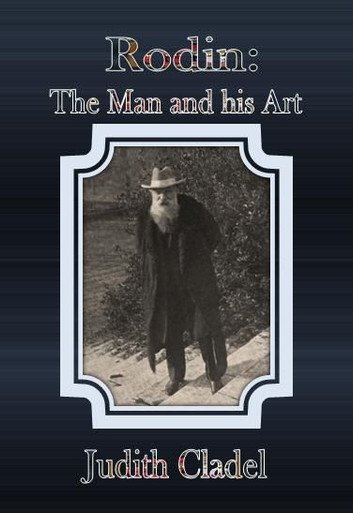
Auguste Rodin transformed modern sculpture through passionate dedication and revolutionary vision. This comprehensive biography by Judith Cladel (ISBN: 1230000156051) explores the extraordinary life of Auguste Rodin, revealing both the struggling artist and the triumphant master. Moreover, Cladel’s intimate portrait captures Auguste Rodin as a complex man whose personal struggles fueled his artistic genius.
The Early Years of Auguste Rodin
François-Auguste-René Rodin entered the world in Paris on November 12, 1840. His humble origins shaped his character profoundly. The young boy showed artistic talent early in life. However, his path to recognition proved difficult and painful.
Rodin attended the Petite École, a school for decorative arts. He applied three times to the prestigious École des Beaux-Arts. Consequently, each rejection deepened his determination. These failures haunted him throughout his career. Nevertheless, they forged his independent artistic vision.
Auguste Rodin’s Formative Struggles
The young sculptor worked as a craftsman for years. He created decorative objects to survive financially. Meanwhile, he developed his unique artistic voice. His early work showed conventional academic influences. Therefore, few recognized his emerging genius during this period.
Rodin’s sister Maria died in 1862, devastating him completely. He briefly joined a religious order afterward. However, Father Eymard recognized his true calling. The priest encouraged him to return to sculpture. Thus, Rodin resumed his artistic journey with renewed purpose.
The Breakthrough: Auguste Rodin Emerges
Rodin traveled to Italy in 1875, studying Michelangelo’s masterpieces. This journey transformed his artistic understanding fundamentally. He absorbed the Renaissance master’s powerful emotional expression. Moreover, he learned to capture movement and life in stone.
His sculpture “The Age of Bronze” caused immediate controversy. Critics accused him of casting from life. The figure’s realism seemed impossible to achieve otherwise. Nevertheless, this scandal brought him widespread attention. Furthermore, it demonstrated his extraordinary technical mastery.
Auguste Rodin’s Revolutionary Artistic Philosophy
Rodin rejected academic conventions that dominated nineteenth-century sculpture. He believed sculpture should capture inner emotion and movement. Traditional statues appeared lifeless and static to him. Instead, he sought to reveal the human soul.
His working method broke established rules deliberately. He emphasized:
- Capturing momentary gestures and expressions
- Revealing psychological depth through physical form
- Embracing imperfection and fragmentation
- Working directly from live models
- Allowing accidents and spontaneity in creation
Additionally, Rodin believed in the expressive power of the human body. He studied anatomy obsessively throughout his career. However, he never let technical precision override emotional truth.
The Gates of Hell: Auguste Rodin’s Monumental Vision
In 1880, the French government commissioned a monumental doorway. The project would consume Rodin for decades. “The Gates of Hell” became his life’s central work. Moreover, it served as a laboratory for countless sculptures.
Inspired by Dante’s Inferno, the gates depicted human suffering. Rodin populated them with writhing, tormented figures. He continually revised and expanded the composition. Therefore, the work remained unfinished at his death.
Many of his most famous sculptures originated here. “The Thinker” first appeared atop the gates. “The Kiss” began as Paolo and Francesca. Furthermore, hundreds of figures emerged from this creative fountain.
The Thinker: Symbol of Human Contemplation
Originally titled “The Poet,” this figure represented Dante himself. The muscular man sits in profound contemplation. His pose suggests both physical power and intellectual depth. Consequently, the sculpture became an icon of human thought.
Rodin enlarged the figure to monumental scale later. The massive bronze version stands over six feet tall. Its powerful presence commands attention and respect. Moreover, it demonstrates Rodin’s ability to convey universal themes.
The sculpture’s fame spread worldwide rapidly. Castings appeared in cities across the globe. Thus, “The Thinker” became Rodin’s most recognized work. It symbolizes philosophy, poetry, and human consciousness itself.
The Kiss: Passion Captured in Marble
This sculpture depicts Paolo and Francesca from Dante’s Inferno. The lovers embrace in a moment of forbidden passion. Their bodies intertwine with tender sensuality. However, Rodin removed them from “The Gates of Hell.”
The work proved too serene for the gates’ tormented atmosphere. Instead, it became an independent masterpiece. The marble version glows with luminous beauty. Furthermore, it showcases Rodin’s technical brilliance with stone.
Critics initially found the sculpture too explicit and sensual. Nevertheless, public audiences embraced it enthusiastically. The work celebrates human love and physical connection. Therefore, it remains one of art’s most beloved images.
Auguste Rodin’s Working Methods and Studio Practice
Rodin maintained a large studio with numerous assistants. He worked with extraordinary energy and focus. Models posed for him constantly throughout the day. Moreover, he sketched them in rapid, fluid drawings.
He often worked on multiple sculptures simultaneously. Clay remained his preferred medium for initial creation. He modeled figures with remarkable speed and confidence. However, he revised endlessly, seeking perfect expression.
Rodin employed skilled craftsmen to enlarge and cast works. He supervised every stage of production carefully. Nevertheless, he allowed assistants considerable creative freedom. Thus, his studio functioned like a Renaissance workshop.
The Burghers of Calais: Collective Heroism
This commission commemorated a medieval historical event. Six citizens offered their lives to save their city. Rodin rejected traditional heroic monument conventions completely. Instead, he showed the men’s fear and resignation.
Each figure displays distinct emotional responses to death. One man walks forward with grim determination. Another covers his face in despair. Furthermore, their varied poses create powerful psychological drama.
Rodin placed the figures at ground level originally. He wanted viewers to walk among them intimately. Municipal authorities rejected this radical idea initially. However, modern installations often honor his original vision.
Auguste Rodin’s Portraits: Capturing Inner Character
Rodin created penetrating portraits of contemporary celebrities. He sculpted writers, artists, politicians, and society figures. His busts revealed subjects’ psychological essence powerfully. Moreover, he captured their intellectual and spiritual qualities.
His portrait of Balzac proved especially controversial. The massive figure wears a flowing robe dramatically. The face suggests visionary genius and creative power. Nevertheless, critics attacked it as crude and unfinished.
The Balzac monument sparked fierce public debate. The commissioning society rejected it outright. However, Rodin considered it his most important work. Furthermore, later generations recognized its revolutionary significance.
Personal Relationships: The Man Behind the Art
Rodin’s personal life proved complex and often troubled. Rose Beuret became his lifelong companion and model. She remained devoted despite his numerous affairs. However, he married her only weeks before her death.
Camille Claudel entered his life as a talented student. She became his lover, muse, and artistic collaborator. Their passionate relationship lasted approximately fifteen years. Nevertheless, it ended bitterly, devastating them both.
Claudel’s own sculptural genius emerged during their relationship. She created powerful, original works of great beauty. However, mental illness eventually consumed her tragically. Thus, their story remains one of art’s great tragedies.
Auguste Rodin’s Influence on Modern Sculpture
Rodin liberated sculpture from academic conventions permanently. He demonstrated that fragments could possess complete artistic validity. His rough, unfinished surfaces influenced countless later artists. Moreover, he proved sculpture could express psychological complexity.
Younger sculptors studied his revolutionary techniques eagerly. Brancusi worked briefly in his studio. Maillol, Bourdelle, and others absorbed his lessons. Furthermore, his influence extended beyond sculpture to modern art generally.
His emphasis on emotional truth over technical perfection resonated deeply. He showed that imperfection could enhance expressive power. Therefore, modern artists embraced spontaneity and experimentation. His legacy shaped twentieth-century art fundamentally.
The Rodin Museum: Preserving His Legacy
Rodin donated his entire collection to France in 1916. The gift included sculptures, drawings, and personal collections. The French government established a museum in his honor. Moreover, it opened at the Hôtel Biron in 1919.
The museum preserves his works in their original context. Sculptures fill the elegant mansion and beautiful gardens. Visitors experience his art in intimate, contemplative settings. Furthermore, the collection includes his personal art acquisitions.
The museum houses the world’s largest Rodin collection. It contains thousands of sculptures, drawings, and photographs. Thus, it serves as the definitive resource for studying his work. Additionally, it attracts millions of visitors annually.
Judith Cladel’s Unique Perspective
Cladel knew Rodin personally for many years. She observed him working in his studio regularly. Her biography combines intimate knowledge with critical insight. Therefore, her account possesses unique authenticity and depth.
She captures Rodin’s personality with vivid, specific details. His generosity, stubbornness, and passionate nature emerge clearly. Moreover, she describes his working methods with precise observation. Her prose brings the artist to life memorably.
Cladel also addresses controversies surrounding his career honestly. She discusses accusations of using assistants excessively. Furthermore, she examines his complicated personal relationships. Her balanced approach enhances the biography’s credibility significantly.
The Artist’s Philosophy: Beauty and Truth
Rodin believed nature provided sculpture’s ultimate teacher. He urged students to observe life constantly. Academic rules meant nothing compared to direct observation. However, he insisted artists must interpret, not merely copy.
He famously stated that beauty exists everywhere in nature. The artist’s task involves revealing hidden beauty to others. Ugliness results only from artistic failure or dishonesty. Therefore, any subject could become beautiful through truthful representation.
Rodin emphasized the importance of movement in sculpture. Static poses appeared lifeless and false to him. He captured bodies in transition between movements. Thus, his figures seem alive and breathing.
Technical Mastery: Materials and Methods
Rodin worked primarily in clay, plaster, bronze, and marble. He modeled clay with extraordinary speed and confidence. His hands moved instinctively, guided by deep anatomical knowledge. Moreover, he understood each material’s unique expressive possibilities.
He rarely carved marble himself in later years. Skilled practitioners translated his clay models into stone. However, he supervised the process meticulously. Furthermore, he often modified works during carving.
Bronze casting allowed him to produce multiple versions. He experimented with different patinas and surface treatments. Each casting received individual attention and refinement. Therefore, no two versions appeared exactly identical.
Controversies and Criticisms
Rodin faced harsh criticism throughout his career. Conservatives attacked his unconventional techniques and subjects. They considered his rough surfaces unfinished and crude. Moreover, they found his sensuality inappropriate and shocking.
The “Age of Bronze” scandal damaged his reputation initially. Critics refused to believe human hands created such realism. He eventually proved his innocence through documentation. Nevertheless, the accusation stung him deeply.
His Balzac monument provoked the fiercest controversy. The commissioning society rejected it as a monstrosity. Newspapers published savage caricatures and reviews. However, Rodin refused to modify his vision.
Recognition and Triumph
Despite controversies, Rodin achieved enormous success eventually. International exhibitions brought him worldwide fame. Wealthy collectors competed to acquire his works. Furthermore, governments commissioned major public monuments.
The 1900 Paris Exposition featured a major Rodin retrospective. He organized the exhibition himself in a private pavilion. The show attracted enormous crowds and critical acclaim. Thus, his position as France’s greatest sculptor became undeniable.
Honors and awards accumulated during his final years. He received honorary degrees from prestigious universities. Foreign governments decorated him with medals and titles. Moreover, younger artists revered him as a master.
The Final Years
Rodin continued working energetically into old age. His creative powers remained strong despite physical decline. He produced drawings prolifically during his final years. However, his health deteriorated gradually but steadily.
Rose Beuret died in February 1917, shortly after their marriage. Rodin followed her nine months later. He died on November 17, 1917, at age seventy-seven. Therefore, World War I overshadowed his passing somewhat.
He was buried at Meudon beside Rose. “The Thinker” marks their grave appropriately. Thus, his most famous creation watches over his final resting place.
Legacy: Transforming Sculpture Forever
Rodin’s influence on modern art cannot be overstated. He freed sculpture from centuries of academic convention. His emphasis on emotional expression inspired countless artists. Moreover, he demonstrated sculpture’s capacity for psychological depth.
His fragmented figures anticipated modern abstraction. His rough surfaces influenced expressionist sculptors. Furthermore, his working methods inspired new approaches to creation. Therefore, virtually all modern sculpture acknowledges his influence.
Museums worldwide treasure his works as masterpieces. “The Thinker” and “The Kiss” remain cultural icons. His name symbolizes artistic genius and revolutionary vision. Thus, Rodin’s legacy endures powerfully into the present.
Why Read This Biography?
Judith Cladel’s biography offers unparalleled insight into Rodin’s life. Her personal acquaintance with the artist provides authentic details. She captures his personality, methods, and philosophy vividly. Moreover, her writing style remains engaging and accessible.
The book illuminates the man behind the masterpieces. Readers discover his struggles, passions, and triumphs. Furthermore, they understand the revolutionary nature of his achievement. Therefore, the biography enriches appreciation of his art significantly.
This edition (ISBN: 1230000156051) presents Cladel’s essential text. It focuses on the core biography without supplementary materials. Thus, readers encounter the artist’s story directly and powerfully.
Conclusion: The Man and His Art United
Auguste Rodin lived for his art with complete dedication. His personal life and creative work intertwined inseparably. Every experience fed his artistic vision and expression. Moreover, his sculptures reveal his passionate, complex personality.
Judith Cladel’s biography succeeds in capturing this unity. She presents Rodin as both man and artist simultaneously. Her intimate knowledge illuminates both aspects brilliantly. Furthermore, her critical insight places his achievement in proper context.
This book remains essential reading for art lovers. It reveals how one man transformed sculpture forever. Rodin’s story inspires artists and general readers alike. Therefore, Cladel’s biography deserves its place among great art biographies.
The sculptor’s legacy continues growing and evolving. New generations discover his revolutionary vision constantly. His works speak to universal human experiences timelessly. Thus, Auguste Rodin remains eternally relevant and profoundly moving.


Reviews
There are no reviews yet.