

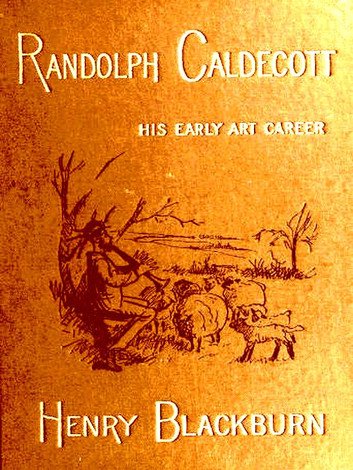
Description
Randolph Caldecott: A Personal Memoir of His Early Art Career – Complete Synopsis
Introduction to Randolph Caldecott’s Artistic Journey
Randolph Caldecott stands as one of Victorian England’s most beloved illustrators. This intimate memoir, written by his close friend Henry Blackburn, offers readers an unprecedented glimpse into the artist’s formative years. Moreover, it provides firsthand accounts of Caldecott’s creative process and personal struggles. Blackburn’s narrative captures the essence of a friendship that profoundly influenced both men’s careers.
The memoir begins with their first meeting in the 1870s. Consequently, readers witness the birth of a collaboration that would shape children’s book illustration forever. Blackburn, himself an accomplished author and editor, recognized Caldecott’s extraordinary talent immediately. Furthermore, he became instrumental in launching the young artist’s career.
Early Life and Banking Career
Caldecott’s Unconventional Path to Art
Randolph Caldecott did not follow a traditional artistic trajectory. Initially, he worked as a bank clerk in Whitchurch, Shropshire. However, his passion for drawing never waned during those early professional years. He sketched constantly, filling notebooks with observations of rural life and local characters.
The banking profession provided financial stability. Nevertheless, it could not contain his creative spirit. Therefore, Caldecott spent every spare moment developing his artistic skills. He studied anatomy, perspective, and composition independently.
The Decision to Pursue Art Full-Time
Blackburn recounts the pivotal moment when Caldecott chose art over banking. This decision required tremendous courage and conviction. Moreover, it meant abandoning a secure income for an uncertain future. The young artist moved to Manchester, seeking greater artistic opportunities.
In Manchester, Caldecott immersed himself in the city’s vibrant cultural scene. He attended life drawing classes at the Manchester School of Art. Additionally, he began submitting illustrations to local publications. His work gradually gained recognition among editors and publishers.
The Blackburn-Caldecott Partnership
How Their Friendship Began
Henry Blackburn first encountered Caldecott’s work through magazine submissions. The illustrations displayed remarkable vitality and humor. Consequently, Blackburn sought out the artist for a potential collaboration. Their meeting marked the beginning of a profound professional and personal relationship.
Blackburn was editing travel books at the time. He needed an illustrator who could capture landscapes and people with equal skill. Furthermore, he wanted someone who understood narrative flow. Caldecott proved to be the perfect match.
Early Collaborative Projects
Their first project together involved illustrating Blackburn’s travel writings. The partnership flourished immediately. Moreover, Caldecott’s drawings elevated Blackburn’s prose significantly. Readers responded enthusiastically to the combined work.
The success of these early collaborations opened new doors. Publishers began requesting Caldecott specifically for illustrated editions. Therefore, his reputation grew steadily throughout the 1870s. Blackburn’s memoir details these projects with affectionate precision.
Artistic Development and Style
Caldecott’s Unique Illustrative Approach
Randolph Caldecott developed a distinctive style that revolutionized children’s book illustration. His drawings possessed extraordinary movement and energy. Unlike static Victorian illustrations, his figures seemed to dance across the page. Additionally, he mastered the art of visual storytelling.
Blackburn analyzes the technical aspects of Caldecott’s work throughout the memoir. He describes the artist’s use of line and composition. Moreover, he explains how Caldecott created depth with minimal strokes. The economy of his drawings belied their complexity.
The Influence of Rural England
Caldecott’s childhood in rural Cheshire profoundly influenced his artistic vision. He possessed an intimate knowledge of country life. Consequently, his illustrations of horses, dogs, and farm animals displayed remarkable authenticity. He captured the essence of English countryside with affection and accuracy.
Blackburn recounts numerous sketching expeditions they took together. These journeys through rural England provided endless inspiration. Furthermore, they strengthened their friendship and mutual understanding. The memoir includes anecdotes from these travels.
Key Artistic Innovations
Caldecott introduced several innovations to illustration:
- Dynamic composition: His figures moved naturally across the page
- Selective detail: He knew what to include and what to omit
- Narrative sequencing: His illustrations told stories independently of text
- Expressive characters: His people and animals displayed genuine emotion
- Atmospheric backgrounds: His settings enhanced rather than overwhelmed the action
These innovations influenced generations of illustrators. Therefore, his impact extended far beyond his own lifetime. Modern picture books owe much to his pioneering work.
The Picture Book Revolution
Caldecott’s Groundbreaking Children’s Books
The memoir devotes considerable attention to Caldecott’s picture books. These works represented his greatest achievement. Moreover, they transformed children’s literature permanently. Publishers Edmund Evans and George Routledge recognized their commercial and artistic potential.
Caldecott’s first picture book, “The House That Jack Built,” appeared in 1878. It demonstrated his revolutionary approach immediately. The illustrations didn’t merely decorate the text. Instead, they expanded and enriched the narrative significantly.
The Routledge Picture Book Series
Between 1878 and 1885, Caldecott produced sixteen picture books for Routledge. Each volume showcased his evolving mastery. Furthermore, each book sold thousands of copies annually. The series included beloved titles like “The Diverting History of John Gilpin” and “Hey Diddle Diddle.”
Blackburn provides behind-the-scenes details about creating these books. He describes Caldecott’s meticulous planning process. Additionally, he reveals the artist’s perfectionism and occasional self-doubt. These personal insights make the memoir invaluable to scholars.
Impact on Children’s Literature
Randolph Caldecott fundamentally changed how illustrators approached children’s books. Previously, illustrations served primarily decorative purposes. However, Caldecott demonstrated that pictures could carry narrative weight. His work inspired countless artists who followed.
The Caldecott Medal, established in 1938, honors his legacy. This prestigious award recognizes excellence in children’s book illustration annually. Therefore, his name remains synonymous with quality illustration. The medal ensures his influence continues today.
Personal Character and Working Methods
Caldecott’s Personality
Blackburn paints an intimate portrait of Caldecott’s character throughout the memoir. The artist possessed a gentle, modest disposition. Moreover, he displayed remarkable generosity toward fellow artists. He never sought fame or recognition aggressively.
Despite his success, Caldecott remained humble and approachable. He maintained close friendships with people from all backgrounds. Furthermore, he treated everyone with equal respect and kindness. These qualities endeared him to colleagues and clients alike.
Daily Routines and Creative Process
The memoir reveals Caldecott’s working habits in fascinating detail. He rose early and worked steadily throughout the morning. His studio remained organized and efficient. Additionally, he kept extensive reference materials and sketchbooks.
Caldecott believed in constant observation and practice. He sketched from life whenever possible. Consequently, his work maintained freshness and authenticity. He never relied solely on imagination or convention.
Challenges and Setbacks
Blackburn honestly addresses the difficulties Caldecott faced. The artist struggled with chronic health problems throughout his career. These ailments frequently interrupted his work. Nevertheless, he persevered with remarkable determination.
Financial pressures also created stress during the early years. Illustration didn’t always provide steady income. Therefore, Caldecott sometimes accepted commercial work he found uninspiring. However, he approached every assignment professionally.
Relationships with Publishers and Collaborators
Working with Edmund Evans
Edmund Evans, the renowned color printer, played a crucial role in Caldecott’s success. Their collaboration produced the famous picture books. Moreover, Evans’s printing techniques perfectly complemented Caldecott’s artistic vision. The partnership benefited both men enormously.
Blackburn describes their working relationship with admiration. Evans understood Caldecott’s intentions instinctively. Furthermore, he pushed printing technology to achieve the desired effects. Their mutual respect fostered creative excellence.
Interactions with Authors and Poets
Caldecott illustrated works by numerous authors during his career. He collaborated with Washington Irving on “Old Christmas” and “Bracebridge Hall.” Additionally, he brought nursery rhymes and folk tales to vivid life. His interpretations often surpassed readers’ expectations.
The memoir includes correspondence between Caldecott and various authors. These letters reveal his thoughtful approach to illustration. Moreover, they demonstrate his respect for the written word. He never allowed his pictures to overshadow the text.
Artistic Philosophy and Beliefs
Caldecott’s Views on Illustration
Blackburn explores Caldecott’s artistic philosophy throughout the memoir. The illustrator believed pictures should enhance understanding. They should never confuse or distract readers. Therefore, clarity remained his primary concern always.
Caldecott also emphasized the importance of humor in children’s books. He believed laughter aided learning and memory. Consequently, his illustrations often contained delightful comic touches. These moments of levity made his work universally appealing.
Commitment to Authenticity
Authenticity mattered deeply to Caldecott. He researched historical details meticulously when necessary. Moreover, he studied animals and people from life constantly. This commitment to accuracy elevated his work above contemporary competitors.
Blackburn recounts instances where Caldecott rejected assignments requiring historical inaccuracy. The artist refused to compromise his standards. Furthermore, he believed illustrators bore responsibility to educate as well as entertain. This ethical approach earned widespread respect.
Health Struggles and Final Years
Declining Health
The memoir addresses Caldecott’s deteriorating health with sensitivity. He suffered from rheumatic fever and heart problems. These conditions worsened progressively throughout the 1880s. Nevertheless, he continued working with admirable dedication.
Doctors recommended warmer climates for his health. Consequently, Caldecott traveled to the United States in 1885-1886. He hoped the change would provide relief. Additionally, he wanted to explore American subjects for illustration.
The American Journey
Blackburn describes Caldecott’s American travels through letters and journal entries. The artist found much to admire in the United States. He sketched landscapes, buildings, and people enthusiastically. Moreover, he received warm welcomes from American publishers and artists.
However, the journey failed to improve his health significantly. The harsh winter affected him severely. Therefore, he traveled to Florida seeking milder weather. Tragically, his condition continued deteriorating despite these efforts.
Untimely Death
Randolph Caldecott died in St. Augustine, Florida, on February 12, 1886. He was only thirty-nine years old. The news shocked the artistic community profoundly. Moreover, it devastated his friends and family deeply.
Blackburn’s account of Caldecott’s final days remains deeply moving. He describes the artist’s courage and grace. Furthermore, he reflects on the tragic loss of such extraordinary talent. The memoir serves partly as a tribute to his departed friend.
Legacy and Influence
Immediate Impact on Illustration
Caldecott’s death created a void in children’s book illustration. No contemporary artist matched his unique combination of skills. However, his influence spread rapidly among younger illustrators. They studied his techniques and adopted his innovations.
Publishers continued reprinting his picture books for decades. Moreover, they remained bestsellers throughout the late Victorian era. New generations discovered his work constantly. Therefore, his reputation grew even after death.
Long-term Significance
The memoir concludes with Blackburn’s assessment of Caldecott’s lasting importance. He predicts correctly that future generations would revere the artist. Furthermore, he argues that Caldecott elevated illustration to fine art status. This claim has proven accurate over time.
Modern illustrators still study Caldecott’s work for inspiration. His principles of composition and narrative remain relevant. Additionally, his picture books continue delighting children worldwide. The Caldecott Medal ensures his name endures permanently.
Influence on Subsequent Artists
Numerous famous illustrators acknowledged Caldecott’s influence on their work. Beatrix Potter admired his animal drawings particularly. Maurice Sendak studied his narrative techniques extensively. Therefore, his impact spans multiple generations and styles.
The memoir documents early recognition of Caldecott’s genius. Blackburn understood his friend’s historical significance immediately. Moreover, he preserved invaluable information about the artist’s methods and personality. This foresight makes the memoir essential reading.
The Memoir’s Historical Value
Primary Source Material
Blackburn’s memoir provides irreplaceable primary source material about Caldecott. It contains firsthand observations unavailable elsewhere. Moreover, it includes personal correspondence and journal excerpts. Scholars rely heavily on this information for research.
The memoir captures Victorian artistic culture vividly. It describes the publishing industry’s operations during that era. Additionally, it reveals social attitudes toward illustration and illustrators. These contextual details enhance understanding significantly.
Blackburn’s Unique Perspective
As Caldecott’s close friend and collaborator, Blackburn possessed unique insights. He witnessed the artist’s creative process intimately. Furthermore, he understood Caldecott’s motivations and aspirations deeply. This privileged position makes his testimony invaluable.
Blackburn writes with affection but maintains objectivity. He acknowledges Caldecott’s limitations alongside his strengths. Therefore, the portrait remains balanced and credible. Modern readers appreciate this honest approach.
Conclusion: A Lasting Tribute
Henry Blackburn’s memoir stands as the definitive account of Randolph Caldecott’s early career. It preserves the memory of an extraordinary artist and remarkable human being. Moreover, it documents a pivotal period in illustration history comprehensively. The book remains essential reading for anyone interested in children’s literature or Victorian art.
Blackburn’s affectionate tribute ensures Caldecott’s personality survives alongside his artwork. Readers discover not just an illustrator but a complete individual. Furthermore, they understand the dedication and talent required for artistic excellence. The memoir inspires while it informs.
This personal account reminds us that great art emerges from human relationships and experiences. Caldecott’s genius flourished partly through Blackburn’s friendship and support. Therefore, the memoir celebrates collaboration as well as individual achievement. It demonstrates how mutual respect and encouragement foster creativity.
For contemporary readers, the memoir offers timeless lessons about artistic integrity and perseverance. Caldecott’s commitment to excellence despite health challenges remains inspiring. Additionally, his humble approach to success provides a valuable example. These qualities transcend historical periods and remain relevant today.





Reviews
There are no reviews yet.