

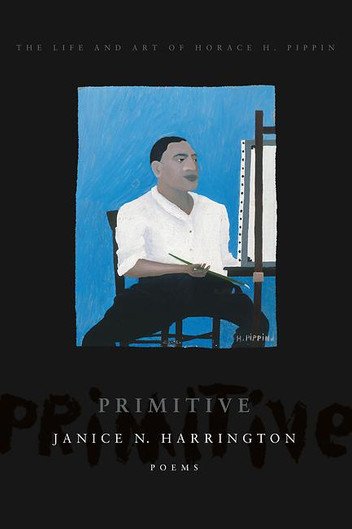
Description
Discovering Primitive Poetry: A Synopsis of Horace H. Pippin’s Artistic Legacy
Primitive poetry captures the raw essence of human experience through unadorned verse. Janice N. Harrington’s “Primitive: The Art and Life of Horace H. Pippin” exemplifies this powerful literary form. Moreover, this collection illuminates the extraordinary journey of America’s most celebrated self-taught African American artist.
Who Was Horace H. Pippin?
Horace H. Pippin emerged as a groundbreaking figure in American art during the 1930s and 1940s. Born in 1888, he overcame tremendous obstacles to create his masterpieces. Furthermore, a war injury left his right arm partially paralyzed. Nevertheless, Pippin developed innovative techniques to continue painting.
His artwork depicted scenes from everyday Black life, historical events, and personal memories. Additionally, critics initially dismissed his work as “primitive” or “folk art.” However, this label revealed their own biases rather than any limitation in Pippin’s vision.
Harrington’s Poetic Approach to Biography
Janice N. Harrington crafts primitive poetry that honors Pippin’s artistic voice and lived experience. Consequently, her verses blend biographical detail with lyrical imagination. She explores the intersections of race, art, and American history through carefully constructed poems.
The collection includes several distinct poetic forms and styles. Therefore, readers encounter varied perspectives on Pippin’s life and work. Harrington also weaves her own reflections into the narrative fabric.
Key Themes Explored in the Collection
This primitive poetry collection addresses multiple interconnected themes:
- Artistic perseverance despite physical disability and societal barriers
- The condescension faced by African American folk artists
- World War I’s lasting impact on Pippin’s body and psyche
- The power of self-taught creativity and authentic vision
- Memory, history, and personal narrative in visual art
Why This Book Matters Today
Harrington challenges readers to reconsider what “primitive” truly means in artistic contexts. Instead of suggesting simplicity, the term reveals profound authenticity. Moreover, Pippin’s story demonstrates resilience and creative determination.
The book also critiques how mainstream art institutions historically marginalized Black artists. Consequently, it invites contemporary audiences to examine ongoing biases. Furthermore, Harrington’s primitive poetry style mirrors Pippin’s direct, powerful artistic approach.
The Reading Experience
Readers discover intimate portraits of Pippin’s creative process throughout these pages. Additionally, Harrington includes historical context that enriches understanding. The poems move between past and present seamlessly.
Some verses adopt Pippin’s perspective directly. Others reflect on his paintings from external viewpoints. Therefore, the collection offers multifaceted insights into one artist’s remarkable life.
Final Thoughts
“Primitive: The Art and Life of Horace H. Pippin” stands as essential reading for poetry and art enthusiasts alike. Harrington’s primitive poetry breathes new life into biographical writing. Moreover, she honors Pippin’s legacy while creating something entirely original.
This book reminds us that true artistry transcends formal training. Instead, it emerges from authentic vision and unwavering commitment. Consequently, both Pippin and Harrington inspire readers to value diverse creative voices.




Reviews
There are no reviews yet.