

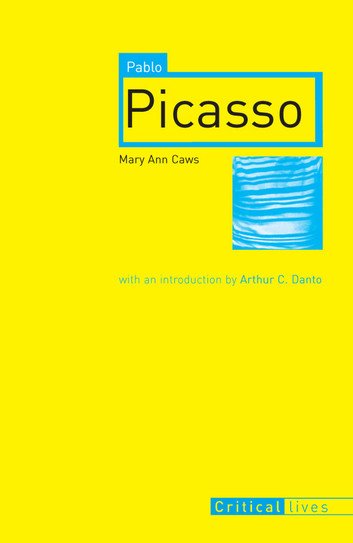
Description
Comprehensive Synopsis: Pablo Picasso by Mary Ann Caws – Critical Lives Series
Introduction to Pablo Picasso’s Revolutionary Life
Pablo Picasso stands as one of the most influential artists of the twentieth century. Mary Ann Caws, a Distinguished Professor, offers a fresh examination of his extraordinary life. Published in June 2013 by Reaktion Books, this biography spans approximately 173 pages.
Moreover, it belongs to the acclaimed Critical Lives series. The book provides readers with an intimate portrait of the artist’s complex world. Consequently, it reveals how relationships shaped his revolutionary artistic vision.
Understanding Pablo Picasso Through His Relationships
The Power of Artistic Friendships
Caws focuses on Pablo Picasso’s shifting relationships with close associates throughout his career. These connections profoundly influenced his artistic development and personal growth. Furthermore, the author examines how these bonds evolved over decades. The book highlights key figures who shaped Picasso’s creative journey. Additionally, it explores the mutual influence between the artist and his contemporaries.
Key Literary and Artistic Figures in Pablo Picasso’s Circle
Several remarkable individuals played crucial roles in Picasso’s life and work. The book examines his relationships with these important people:
- Gertrude Stein, the American writer and art collector
- Max Jacob, the French poet and painter
- Guillaume Apollinaire, the influential poet and art critic
- Jean Cocteau, the multifaceted artist and writer
- André Breton, the founder of Surrealism
- Salvador Dalí, the eccentric Surrealist painter
- Paul Éluard, the French poet and Surrealist
- Roland Penrose, the British artist and biographer
Each person contributed uniquely to Picasso’s artistic evolution. Therefore, understanding these relationships becomes essential to comprehending his work.
Pablo Picasso’s Romantic Relationships and Their Artistic Impact
The Women Who Inspired Masterpieces
Picasso’s lovers significantly influenced his artistic output and emotional landscape. Caws dedicates substantial attention to three particularly important women. First, Dora Maar captured Picasso’s attention during a tumultuous period. Subsequently, Françoise Gilot brought new energy into his later years. Finally, Jacqueline Roque became his final muse and companion.
How Love Shaped Artistic Expression
Each romantic relationship corresponded with distinct stylistic periods in Picasso’s work. Moreover, these women appear repeatedly throughout his paintings and sculptures. The author analyzes how emotional intensity translated into visual innovation. Consequently, readers gain insight into the personal motivations behind famous artworks. Furthermore, Caws explores the complex dynamics of these often-turbulent relationships.
Recurring Themes in Pablo Picasso’s Artistic Vision
The Harlequin, Clown, and Acrobat Motifs
Caws examines recurring figures that appear throughout Picasso’s extensive oeuvre. The Harlequin represents a particularly significant symbol in his work. Additionally, clowns and acrobats populate many of his most memorable paintings. These characters often served as alter egos for the artist himself. Therefore, they provide windows into his psychological and emotional states.
Symbolism and Personal Identity
The circus performers in Picasso’s work carry deep symbolic meaning. Moreover, they reflect his own sense of displacement and performance. The author connects these themes to Picasso’s Spanish heritage and Parisian life. Consequently, readers understand how personal identity influenced artistic choices. Furthermore, these motifs evolved throughout different periods of his career.
Major Masterpieces Analyzed in Depth
Les Demoiselles d’Avignon: A Revolutionary Work
Caws provides detailed analysis of this groundbreaking 1907 painting. Les Demoiselles d’Avignon shocked the art world with its radical approach. Moreover, it marked a decisive break from traditional representational painting. The work introduced fragmented forms and multiple perspectives simultaneously. Therefore, it became a cornerstone of modern art history.
Guernica: Art as Political Statement
The 1937 masterpiece Guernica represents Picasso’s response to war’s brutality. This monumental painting depicts the bombing of a Basque town. Furthermore, it stands as one of the most powerful anti-war statements ever created. Caws explores the historical context and artistic techniques employed. Consequently, readers appreciate both its political and aesthetic significance.
Picasso’s Artistic Strategies and Innovations
Juggling Multiple Viewpoints
One of Picasso’s most revolutionary contributions involved presenting multiple perspectives simultaneously. This technique challenged centuries of artistic convention and viewer expectations. Moreover, it reflected the fragmented nature of modern experience. The author examines how this strategy evolved throughout his career. Additionally, she connects it to broader cultural and philosophical movements.
Constant Experimentation and Reinvention
Picasso never remained satisfied with a single style or approach. Instead, he continuously experimented with new techniques and materials. Furthermore, he moved fluidly between painting, sculpture, ceramics, and printmaking. This restless creativity kept his work fresh and unpredictable. Therefore, his career defied easy categorization or simple narrative.
A Global Journey Through Picasso’s World
Retracing the Artist’s Footsteps
Caws takes readers on a geographical journey through Picasso’s life. The narrative moves from his Spanish birthplace to his adopted French home. Moreover, it explores the various studios and residences he inhabited. Each location contributed uniquely to his artistic development and output. Consequently, place becomes an essential element in understanding his work.
Cultural Contexts and Influences
The book examines how different environments shaped Picasso’s artistic vision. Spanish culture provided his foundational artistic vocabulary and emotional intensity. Meanwhile, Paris offered avant-garde experimentation and intellectual stimulation. Furthermore, the author explores how travel and displacement influenced his perspective. Therefore, geography and culture intertwine throughout the narrative.
Changes and Inconsistencies Across the Twentieth Century
Evolution of Style and Technique
Picasso’s work underwent dramatic transformations throughout his long career. The author analyzes these shifts without imposing artificial coherence. Moreover, she embraces the contradictions and unexpected turns in his development. From Blue Period melancholy to Cubist fragmentation, each phase brought innovation. Subsequently, his later work returned to more figurative and expressive modes.
The Artist’s Relationship with His Own Legacy
Caws explores how Picasso responded to his growing fame and influence. He simultaneously embraced and resisted his status as a living legend. Furthermore, he often deliberately contradicted expectations and critical interpretations. This complex relationship with success influenced his later artistic choices. Therefore, understanding this dynamic enriches appreciation of his complete oeuvre.
The Critical Lives Series Context
Reaktion Books’ Distinctive Approach
This biography belongs to Reaktion Books’ respected Critical Lives series. The series offers accessible yet scholarly examinations of significant cultural figures. Moreover, it balances biographical detail with critical analysis of creative work. Each volume maintains high academic standards while remaining readable. Consequently, the series appeals to both specialists and general readers.
Mary Ann Caws’ Scholarly Expertise
As a Distinguished Professor, Caws brings exceptional credentials to this project. Her expertise in modernist literature and art informs every page. Furthermore, her previous scholarship on Surrealism provides valuable context. The author’s deep knowledge allows for nuanced interpretation and fresh insights. Therefore, readers benefit from decades of scholarly engagement with the material.
Why This Biography Matters Today
Fresh Perspectives on a Familiar Subject
Despite countless books about Picasso, Caws offers genuinely new insights. She focuses on relationships rather than simply cataloging artworks chronologically. Moreover, her approach reveals the human dimensions behind the artistic genius. This methodology makes the artist more accessible and understandable. Consequently, even readers familiar with Picasso will discover new perspectives.
Relevance for Contemporary Readers
The book addresses themes that remain relevant in today’s artistic landscape. Questions about artistic identity, innovation, and personal relationships continue to resonate. Furthermore, Picasso’s example of constant reinvention inspires contemporary creators. The author connects historical material to ongoing conversations about art’s purpose. Therefore, the biography transcends mere historical documentation.
Conclusion: A Compelling Portrait of Artistic Genius
Mary Ann Caws’ biography of Pablo Picasso offers readers an engaging and insightful examination. The book successfully balances scholarly rigor with accessible prose and compelling narrative. Moreover, it illuminates the complex relationships that shaped one artist’s revolutionary vision. By focusing on connections between life and work, Caws creates a holistic portrait. Furthermore, her analysis of major works provides depth without overwhelming casual readers.
The 173-page volume serves as an excellent introduction for newcomers to Picasso’s work. Simultaneously, it offers fresh perspectives for those already familiar with his art. The Critical Lives series format ensures both readability and intellectual substance. Consequently, this biography deserves a place on any art lover’s bookshelf.
Whether exploring Les Demoiselles d’Avignon or understanding Guernica’s power, readers will find valuable insights. Ultimately, Caws reminds us why Picasso remains endlessly fascinating and perpetually relevant.




Reviews
There are no reviews yet.