

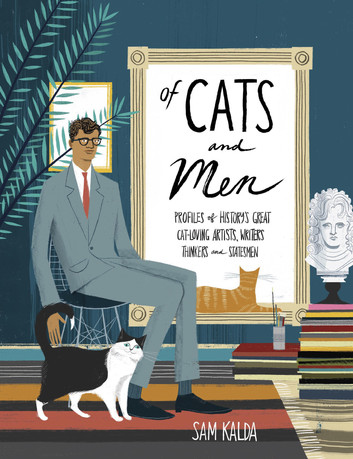
Description
Of Cats and Men: Celebrating History’s Most Famous Cat-Loving Artists and Leaders
“Of Cats and Men” by Sam Kalda explores the fascinating bond between cats and history’s greatest minds. This delightful e-book profiles famous cat-loving artists, writers, thinkers, and statesmen throughout history. Moreover, it reveals how feline companions influenced creative genius and political power. The book combines biographical insight with charming illustrations and engaging storytelling.
Sam Kalda presents a unique perspective on historical figures through their relationships with cats. He shows how these independent, mysterious animals attracted independent, creative thinkers. Furthermore, he demonstrates that cat-loving wasn’t just a quirk but often reflected deeper personality traits. Consequently, readers discover new dimensions of familiar historical personalities.
The book appeals equally to cat enthusiasts and history lovers alike. Kalda’s accessible writing style makes complex historical figures feel relatable and human. Additionally, his illustrations bring both the people and their feline friends to vivid life. Therefore, the book works as both entertainment and enlightening historical exploration.
Famous Cat-Loving Artists and Their Feline Muses
Kalda profiles numerous artists whose cats inspired their greatest works and creative processes. He explores how painters, sculptors, and visual artists found companionship in feline friends. Moreover, he shows how cats appeared in their artwork and influenced their artistic vision. These profiles reveal the deep connection between creativity and cat companionship.
Notable cat-loving artists featured include:
- Pablo Picasso and his beloved Siamese cats who inhabited his studio
- Henri Matisse, whose cats provided comfort during his bedridden final years
- Andy Warhol and his famous cats, all named Sam except one
- Georgia O’Keeffe, who painted her Siamese cats with characteristic precision
- Salvador Dalí and his ocelot Babou, who accompanied him everywhere
- Frida Kahlo, whose self-portraits often featured her cherished cats
Each profile examines how these artists’ cats influenced their work and daily lives. Kalda describes specific paintings, photographs, and artworks featuring feline subjects. Furthermore, he explores how cats’ independent nature appealed to artistic temperaments. The artists found in cats both inspiration and non-judgmental companionship.
Many artists appreciated cats’ aesthetic qualities and graceful movements. They studied feline forms, capturing their elegance in various artistic mediums. Additionally, cats provided emotional support during creative struggles and personal difficulties. However, these relationships went beyond mere pet ownership to genuine creative partnerships.
Writers, Thinkers, and Cat-Loving Intellectuals
“Of Cats and Men” dedicates substantial attention to literary figures and their feline companions. Writers throughout history have famously adored cats and written about them extensively. Moreover, many credited their cats with providing essential writing companionship and inspiration. Kalda explores these literary relationships with wit and scholarly insight.
The book profiles authors whose cats became nearly as famous as their works. Ernest Hemingway’s polydactyl cats still live at his Key West home today. Mark Twain declared that if man could be crossed with cats, it would improve man but deteriorate cats. Additionally, T.S. Eliot wrote his famous “Old Possum’s Book of Practical Cats” celebrating feline personalities.
Philosophers and thinkers also appear prominently in Kalda’s profiles of cat-loving intellectuals. These figures appreciated cats’ independence, mystery, and philosophical nature. Furthermore, they saw in cats qualities worth emulating: self-sufficiency, curiosity, and dignified composure. Consequently, cats became more than pets but philosophical companions and teachers.
Writers often described how cats provided perfect writing companionship without demanding constant attention. Cats would sit quietly nearby, offering presence without interruption or judgment. Moreover, their purring and warmth created soothing environments conducive to creative work. Therefore, many writers considered their cats essential to their writing process.
Statesmen and Leaders Who Loved Cats
Surprisingly, many powerful political figures throughout history were devoted cat lovers. “Of Cats and Men” profiles statesmen whose feline companions provided comfort amid political pressures. Moreover, Kalda shows how these leaders’ cat love humanized them to the public. These profiles reveal the softer side of otherwise formidable historical figures.
Winston Churchill famously adored his marmalade cat Jock, who attended wartime meetings. Abraham Lincoln was possibly the first cat-loving American president, rescuing strays regularly. Additionally, Cardinal Richelieu kept dozens of cats in his palace despite his fearsome reputation. These leaders found in cats loyal companionship that demanded nothing politically.
The book explores why powerful people often preferred cats to dogs or other pets. Cats offered affection without the neediness that busy leaders couldn’t always accommodate. Furthermore, cats’ independence mirrored these leaders’ own strong-willed personalities and self-reliance. However, cats also provided unconditional acceptance regardless of political victories or defeats.
Sam Kalda’s Unique Approach and Illustrations
Kalda combines biographical research with his distinctive artistic style throughout “Of Cats and Men.” His illustrations capture both the historical figures and their cats with warmth and humor. Moreover, his visual approach makes the book accessible to readers of all ages. The artwork enhances rather than merely decorates the biographical content.
Each profile balances historical accuracy with entertaining anecdotes about cats and their famous owners. Kalda includes lesser-known stories that reveal personality through human-animal relationships. Additionally, he draws connections between cat ownership and creative or political success. Therefore, the book offers fresh perspectives on familiar historical figures.
The author’s research reveals how cats influenced everything from artistic output to political decisions. He shows that these weren’t trivial relationships but meaningful bonds that shaped lives. Furthermore, he demonstrates that understanding someone’s relationship with cats illuminates their character deeply. Consequently, readers gain new appreciation for both the historical figures and their feline friends.
Why This Book Matters for Cat Lovers and History Enthusiasts
“Of Cats and Men” celebrates the timeless bond between humans and cats across centuries. It shows that cat-loving transcends time periods, cultures, and professional achievements. Moreover, it validates what cat lovers have always known: cats make life richer and more meaningful. The book provides both entertainment and genuine historical insight.
History enthusiasts discover new dimensions of familiar figures through their relationships with cats. These personal details humanize distant historical personalities and make them more relatable. Additionally, the book demonstrates how private life influences public achievement and creative output. Therefore, it offers valuable perspective on understanding historical figures holistically.
Cat lovers find validation and community in discovering how many great minds shared their feline devotion. The book celebrates cats’ unique qualities that have attracted brilliant people throughout history. Furthermore, it shows that loving cats connects us to a long tradition of creative, thoughtful individuals. Consequently, readers feel part of something larger than contemporary cat culture.
Conclusion: A Celebration of Cats and Human Achievement
“Of Cats and Men” stands as both tribute to feline companions and fascinating historical exploration. Sam Kalda has created something unique that appeals to diverse audiences simultaneously. Moreover, he demonstrates that cats have always been more than pets to creative and powerful people.
This e-book deserves attention from anyone interested in cats, history, art, literature, or biography. It offers accessible entry into historical figures’ lives through their most personal relationships. Therefore, it succeeds as both educational resource and delightful reading experience.
Ultimately, Kalda reminds us that greatness doesn’t preclude simple pleasures like cat companionship. His profiles of cat-loving artists, writers, thinkers, and statesmen celebrate both human achievement and feline charm. Consequently, readers finish the book with renewed appreciation for both history and their own cats.




Reviews
There are no reviews yet.