

Description
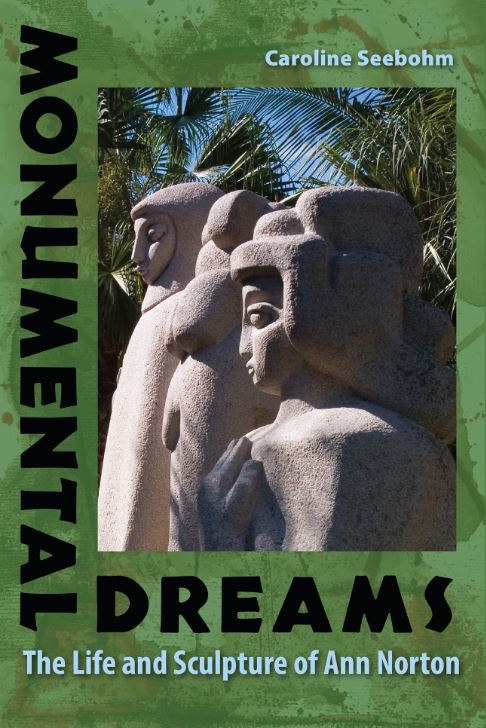
Monumental Dreams: The Life and Sculpture of Ann Norton
Ann Norton created monumental sculptures that transformed American art forever. This comprehensive biography by Caroline Seebohm explores the extraordinary life of this remarkable woman. Moreover, it reveals how she became one of America’s most important sculptors. The book documents her artistic journey from the beginning to international recognition.
Norton’s massive stone and brick sculptures stand as testaments to vision. Her work beautifully and powerfully combined architectural elements with organic forms. Furthermore, she consistently challenged traditional boundaries between sculpture and architecture. Therefore, her creations occupy a unique place in twentieth-century American art.
Caroline Seebohm researched extensively to tell Norton’s complete story thoroughly and accurately. She examined personal letters, photographs, and archival materials from multiple sources. Additionally, she interviewed people who knew the artist and her work. This definitive biography finally brings Norton’s remarkable life into clear focus.
The book explores how Norton achieved her monumental dreams against obstacles. She worked in a male-dominated art world that often dismissed women. However, her talent, determination, and vision could not be ignored or diminished. Her story inspires artists and dreamers who face similar challenges today.
Early Life and Artistic Awakening of Ann Norton
Ann Weaver was born in 1905 in Selma, Alabama, to a family. Her childhood in the Deep South profoundly shaped her artistic sensibilities. Moreover, she developed an early appreciation for natural forms and landscapes. The region’s architecture and environment significantly influenced her future sculptural work.
She showed artistic talent from a young age and pursued it eagerly. Her family encouraged her creative interests despite limited resources and opportunities. Furthermore, she studied art whenever possible during her formative years. This early foundation prepared her for serious artistic training later in life.
Norton eventually attended the National Academy of Design in New York City. There, she received classical training in sculpture and drawing from accomplished instructors. Additionally, she studied anatomy and traditional sculptural techniques thoroughly and systematically. This rigorous education gave her the technical skills she would use throughout her career.
The vibrant New York art scene of the 1920s enthralled her. She encountered modern art movements and avant-garde ideas for the first time. However, she remained committed to figurative sculpture initially despite modernist pressures. Her artistic vision would naturally evolve gradually over the following decades.
Marriage and Move to Palm Beach
Ann Weaver married Ralph Hubbard Norton in 1942 during World War II. He was originally a wealthy industrialist and art collector from Chicago. Moreover, he shared her passion for art and supported her work. Their partnership would prove crucial to her artistic development and success.
The couple moved to Palm Beach, Florida, after their marriage became permanent. The tropical environment differed dramatically from her Alabama childhood and New York. Furthermore, the intense light and lush vegetation inspired new artistic directions. Palm Beach became her home and creative sanctuary for the rest of her life.
Ralph Norton generously and consistently encouraged his wife’s artistic ambitions throughout their marriage. He provided financial support that allowed her to work without constraints. Additionally, he helped establish her studio and acquire the necessary materials and tools. His belief in her talent gave her the confidence to pursue ambitious projects.
The Norton Gallery and School of Art became central to their lives. Ralph had founded the institution to serve the Palm Beach community. However, Ann would eventually make a significant contribution to its mission and programming. The gallery provided a cultural context for her developing artistic vision.
Ann Norton’s Sculptural Style and Vision
Ann Norton developed a distinctive sculptural style over decades of dedicated work. She gradually moved away from figurative work toward monumental abstract forms. Moreover, she began creating exclusively massive sculptures from brick and stone. These materials allowed her to fully realize her architectural and organic visions.
Her sculptures combined geometric precision with flowing, natural forms harmoniously and powerfully. She drew inspiration from ancient architecture, particularly Mayan and Egyptian monuments. Furthermore, she studied how light and shadow played across massive structures. Therefore, her work achieved a timeless quality that transcended contemporary trends.
Norton worked primarily in brick, a humble and common building material. However, she transformed it into something monumental and spiritually significant through vision. Additionally, she appreciated the brick’s connection to human civilization and architectural history. The material eventually became her signature medium and artistic trademark.
Her sculptures often reached impressive heights and commanded their surrounding spaces. She designed them to interact dynamically with the landscape and natural light. Moreover, she considered how viewers would experience the work from multiple angles. This architectural approach distinguished her from other sculptors of her generation.
Major Works and Artistic Achievements
Norton created numerous significant sculptures during her productive career spanning decades. Her monumental brick towers became her most recognizable and celebrated works. Furthermore, these vertical structures evoked both ancient ziggurats and modern skyscrapers. They demonstrated her ability to masterfully synthesize historical and contemporary influences.
The “Gates of Paradise” series showcased her mature artistic vision in brilliant fashion. These massive brick portals symbolically suggested spiritual thresholds and transformative passages. Additionally, they incorporated her interest in sacred architecture from various cultures. The series represented the culmination of her artistic and philosophical explorations.
She also occasionally created smaller works in bronze and other materials. These pieces allowed her to experiment with different forms and ideas. However, her monumental brick-and-stone sculptures remained her primary focus. They expressed her artistic vision most completely and powerfully throughout her career.
Norton’s sculptures were installed in public spaces and private collections nationwide. Her work appeared in museums, sculpture gardens, and corporate plazas across America. Moreover, collectors and institutions recognized the importance of her unique artistic contribution. Her reputation grew steadily as more people encountered her powerful creations.
Notable Ann Norton Sculptures and Installations
Her most important works include these significant pieces:
- Seventh Gate: Monumental brick tower at Norton Museum of Art
- Cathedral: Soaring brick structure suggesting Gothic architecture
- Naos: Temple-like form inspired by ancient Greek architecture
- Megalith Series: Massive stone sculptures evoking prehistoric monuments
- Gateway Series: Brick portals exploring thresholds and passages
- Cyclopean Walls: Massive brick walls create architectural spaces
Each sculpture demonstrated her mastery of materials and form consistently. Moreover, they revealed her deep engagement with architectural and spiritual themes. Therefore, these works established her reputation as a major American sculptor.
The Ann Norton Sculpture Gardens
Norton created a remarkable sculpture garden at her Palm Beach home. The gardens became an outdoor museum showcasing her monumental works beautifully. Furthermore, she designed the landscape to complement and enhance the sculptures. This integration of art and nature reflected her holistic artistic vision.
The property featured nine monumental brick-and-stone sculptures strategically placed. She positioned each work to create specific visual and spatial experiences. Additionally, she planted tropical vegetation that framed and softened the massive forms. The gardens demonstrated her understanding of sculpture’s relationship to the environment.
After her death, the property became the Ann Norton Sculpture Gardens. This public institution preserves her legacy and shares her work with visitors. Moreover, it maintains her studio exactly as she left it originally. The gardens allow people to experience her art in the setting she intended.
The sculpture gardens also house her personal art collection and library. These materials reveal her wide-ranging interests and intellectual curiosity about art. Furthermore, they provide insight into the influences that shaped her artistic development. Researchers and visitors can explore her creative world through these preserved spaces.
Artistic Influences and Inspirations
Ann Norton drew inspiration from diverse sources throughout her long artistic career. Ancient architecture fascinated her and profoundly and consistently influenced her sculptural forms. Moreover, she studied Egyptian, Mayan, and Greek monuments extensively through books and travel. These civilizations’ monumental achievements resonated deeply with her own artistic ambitions.
Nature provided constant inspiration for her organic forms and compositions. The tropical environment of Palm Beach offered endless visual stimulation and ideas. Furthermore, she observed how plants grew and how light filtered through foliage. These natural phenomena informed her understanding of form, space, and structure.
She also engaged with contemporary art movements and ideas selectively and thoughtfully. Abstract Expressionism influenced her move away from figurative sculpture toward abstraction. However, she maintained her own distinctive vision rather than following trends. Her work remained uniquely personal despite awareness of broader artistic developments.
Spiritual and philosophical concepts shaped her artistic vision significantly over time. She explored themes of transcendence, transformation, and sacred space through sculpture. Additionally, she read widely in philosophy, religion, and mysticism throughout her life. These intellectual pursuits deepened the meaning and resonance of her work.
Challenges and Triumphs in a Male-Dominated Field
Norton faced significant obstacles as a woman sculptor in mid-twentieth-century America. The art world routinely and systematically dismissed or marginalized women artists. Moreover, monumental sculpture was considered particularly inappropriate for women to attempt. She confronted these prejudices with determination and unwavering commitment to her vision.
Creating massive sculptures required physical strength and technical knowledge traditionally associated with men. However, Norton proved that vision and determination mattered more than gender. Furthermore, she developed techniques and methods that allowed her to work effectively. Her success challenged assumptions about what women artists could achieve in sculpture.
Financial independence through her marriage allowed her to work without commercial pressures. Many women artists lacked the resources to pursue ambitious projects like hers. Additionally, she could afford materials, studio space, and assistance when needed. This privilege enabled her to realize her monumental dreams more fully.
Recognition came gradually as critics and collectors discovered her powerful work. She successfully exhibited in important galleries and museums throughout her career. Moreover, her sculptures eventually earned her respect from fellow artists and art professionals. Her achievements paved the way for future generations of women sculptors.
The Norton Museum of Art Connection
Ralph Norton founded the Norton Gallery and School of Art in 1941. The institution became one of Florida’s premier art museums over subsequent decades. Furthermore, it housed an impressive collection of American, European, and Chinese art. The museum played a central role in the Nortons’ lives together.
After Ralph died in 1953, Ann became more involved with the museum. She served on the board and influenced its direction and programming. Additionally, she donated works from their collection and supported exhibitions and acquisitions. Her commitment helped ensure the institution’s continued growth and success.
The museum eventually changed its name to the Norton Museum of Art. It expanded significantly and gained international recognition for its collections and exhibitions. Moreover, it became a major cultural institution serving South Florida’s growing population. The Norton name remains synonymous with artistic excellence in the region.
Ann Norton’s sculptures are prominently displayed on the museum grounds today. Her monumental works welcome visitors and powerfully demonstrate her artistic achievement. Furthermore, they connect her legacy to the institution her husband founded. This visible presence ensures that her contribution to American sculpture remains recognized.
Later Years and Continued Creativity
Norton continued working productively into her later years with undiminished passion. She refined her sculptural vision and created some of her most powerful works. Moreover, she remained physically active and engaged with her art daily. Her dedication to her sculpture never wavered, despite advancing age and health challenges.
She received increasing recognition from critics during the 1970s and 1980s. Major publications featured her work and discussed her unique contribution to sculpture. Additionally, museums increasingly often acquired her pieces for their permanent collections. Her reputation as an important American sculptor solidified during this period.
Norton also mentored younger artists and generously supported the local art community. She believed in nurturing talent and encouraging creative expression in others. Furthermore, she opened her studio and gardens to visitors who wanted to learn. Her generosity significantly and lasting enriched Palm Beach’s cultural life.
She continued creating new work until shortly before she died in 1982. Her final sculptures demonstrated the same vision and power as earlier works. However, they also showed continued evolution and experimentation with form and space. Norton never stopped growing as an artist throughout her long career.
Ann Norton’s Artistic Legacy and Impact
Ann Norton left an enduring legacy in American sculpture that continues to inspire artists. Her monumental works demonstrated that sculpture could achieve architectural scale and spiritual depth. Moreover, she proved that women could succeed in creating large-scale public art. Her example encouraged countless artists to pursue their own ambitious visions.
Her unique synthesis of ancient and modern influences created timeless sculptural forms. She showed how historical references could inform contemporary art without becoming derivative. Furthermore, her work transcended stylistic categories and trends that dominated her era. Therefore, her sculptures remain relevant and powerful decades after their creation.
The Ann Norton Sculpture Gardens preserve her legacy and share it publicly. Thousands of visitors experience her work in its intended setting annually. Additionally, the gardens educate people about her life, art, and creative process. This living museum ensures that future generations can discover her remarkable achievements.
Her influence extends beyond her own sculptures to broader artistic conversations today. Contemporary sculptors continue to explore themes she consistently pioneered in her work. Moreover, her integration of sculpture and landscape anticipated later environmental art movements. Norton’s vision remains vital to understanding the development of twentieth-century American sculpture.
Caroline Seebohm’s Biographical Approach
Caroline Seebohm brings extensive biographical experience to this project. She previously wrote acclaimed biographies of other significant cultural figures successfully. Moreover, she understands how to balance personal narrative with artistic analysis. Her approach makes Norton’s story accessible to general readers and specialists.
Seebohm conducted extensive research using primary sources and personal interviews. She examined Norton’s correspondence, sketches, and personal papers carefully and systematically. Furthermore, she spoke with people who knew the artist and witnessed her work. This comprehensive research provides an authoritative and intimate portrait of Norton.
The biography explores Norton’s inner life and creative process in depth. Seebohm reveals the artist’s thoughts, struggles, and triumphs through careful analysis. Additionally, she contextualizes Norton’s work within broader art historical developments and movements. This dual approach enriches understanding of both the artist and her art.
Seebohm’s writing style effectively combines scholarly rigor with engaging narrative storytelling. She makes complex artistic concepts accessible without oversimplifying them. Moreover, she captures Norton’s personality and passion through vivid descriptions and anecdotes. The result is a biography that honors its subject while entertaining readers.
Themes of Monumental Dreams
The book’s title, “Monumental Dreams,” captures Norton’s artistic ambition and vision perfectly. She dreamed of creating sculptures that would endure like ancient monuments. Furthermore, she pursued these dreams despite obstacles and others’ skepticism. Her story demonstrates the power of unwavering commitment to artistic vision.
The concept of monumentality pervades Norton’s work and life philosophically and practically. She believed sculpture should command space and inspire awe in viewers. Additionally, she wanted her work to connect people with something transcendent and timeless. This monumental approach distinguished her from many contemporary sculptors working on a smaller scale.
Dreams also suggest the visionary quality of Norton’s artistic imagination and creativity. She envisioned forms that didn’t exist and brought them into physical reality. Moreover, she transformed humble materials into objects of beauty and spiritual significance. Her ability to realize her dreams inspires others to pursue their own.
The book explores how Norton successfully balanced practical realities with artistic idealism—creating monumental sculptures required solving technical, financial, and logistical problems constantly. However, she never allowed practical concerns to diminish her artistic vision. This balance between dreams and reality ultimately defines her remarkable achievement.
Critical Reception and Art Historical Significance
Norton’s work received mixed critical reception during her lifetime. Some enthusiastically praised her unique vision and monumental achievement in sculpture. However, others dismissed her work as derivative or outside mainstream developments. These varied responses reflected broader debates about sculpture’s direction in mid-century.
Her work didn’t fit neatly into prevailing art movements or categories easily. She wasn’t a pure abstractionist, minimalist, or any other defined school member. Furthermore, her spiritual and architectural concerns were then deemed unfashionable by some critics. This independence made her difficult to categorize, yet uniquely original.
Recent scholarship has reassessed Norton’s contribution more favorably and comprehensively than earlier. Art historians now recognize her pioneering role in monumental abstract sculpture. Moreover, they appreciate her synthesis of diverse influences into a coherent personal vision. Her reputation has grown significantly as perspectives on twentieth-century sculpture have evolved.
Norton’s work anticipated later developments in environmental and site-specific sculpture, notably. Her integration of sculpture with landscape prefigured Land Art and similar movements. Additionally, her architectural approach influenced artists exploring boundaries between disciplines and media. These connections demonstrate her forward-thinking artistic vision and lasting relevance today.
Personal Life and Relationships
Norton’s marriage to Ralph Norton provided stability and support for her work. Their relationship was based on mutual respect and shared love of art. Moreover, Ralph’s wealth allowed Ann to pursue her artistic vision without financial constraints. This partnership proved essential to her artistic development and ultimate success.
After Ralph died in 1953, Ann continued working and living independently. She never remarried and devoted herself entirely to her sculpture and gardens. Furthermore, she maintained close friendships with local artists, collectors, and cultural figures. These relationships enriched her life, providing intellectual stimulation and companionship.
Norton was known for her warmth, generosity, and dedication to her community. She consistently supported local artists and cultural institutions beyond her own work. Additionally, she welcomed visitors to her studio and freely shared her knowledge. Her personal qualities endeared her to many people throughout her life.
She maintained connections with the art world beyond Palm Beach through travel. She visited museums, galleries, and archaeological sites regularly to see art firsthand. Moreover, she attended exhibitions and kept current with contemporary artistic developments. These activities prevented isolation and kept her engaged with broader cultural conversations.
The Creative Process Behind the Sculptures
Norton’s creative process began with sketches and small models, typically and systematically. She explored forms and compositions on paper before working in three dimensions. Furthermore, she created maquettes to visualize the final sculpture. This careful planning ultimately ensured the successful execution of her monumental visions.
She worked directly with materials, understanding their properties and possibilities intimately through experience. Brick and stone required specific techniques and approaches she mastered over time. Additionally, she developed methods for stacking and bonding materials to achieve stability. Her technical expertise allowed her to realize increasingly ambitious sculptural forms.
The physical labor of creating monumental sculptures was always demanding and exhausting. Norton often worked with assistants who helped with heavy lifting and construction. However, she personally maintained artistic control over every aspect of the work. Her hands-on approach ensured that each sculpture reflected her vision precisely.
She carefully considered the installation site when designing each sculpture. The relationship between sculpture and environment was crucial to her artistic conception. Moreover, she thought about how light would fall on surfaces throughout the day. This holistic approach created powerful experiences for viewers encountering her work.
Conclusion: A Life Devoted to Sculptural Vision
Ann Norton dedicated her life to creating monumental sculptures of enduring power. Her work transformed American sculpture and challenged conventional boundaries between art and architecture. Moreover, she proved that women could achieve greatness in monumental public art. Her legacy continues to inspire artists and art lovers worldwide today.
Caroline Seebohm’s biography captures Norton’s remarkable journey from Alabama to international recognition. The book reveals the determination, vision, and talent that fueled her success. Furthermore, it provides intimate insights into her creative process and personal life. “Monumental Dreams” stands as the definitive account of this important artist.
Norton’s sculptures remain powerful testaments to artistic vision and human creativity always. They demonstrate that art can achieve monumentality while maintaining spiritual depth and meaning. Additionally, they show how individual vision can create works of lasting significance. Her achievement reminds us that monumental dreams can become reality through dedication.
The Ann Norton Sculpture Gardens ensure that her legacy remains accessible and alive. Visitors can experience her work in the setting she created for it. Moreover, they can learn about her life and artistic philosophy through preserved materials. This living memorial appropriately and permanently honors Norton’s contribution to American art.
Future generations will undoubtedly continue to discover and appreciate Norton’s unique sculptural vision. Her work transcends its historical moment and speaks to universal human aspirations. Furthermore, her story inspires anyone pursuing creative dreams against obstacles and doubts. Ann Norton’s monumental dreams have come to fruition and continue to inspire others to dream monumentally.




Reviews
There are no reviews yet.