Description
Michelangelo and the Viewer in His Time: Experiencing Renaissance Art Through Original Eyes
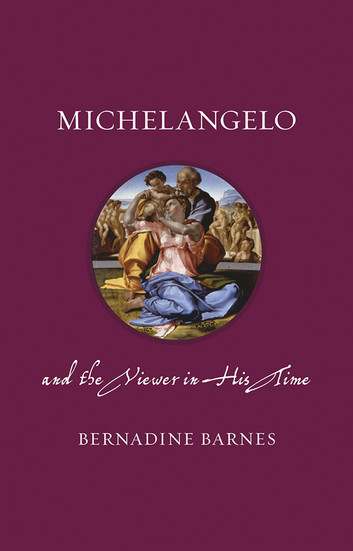
“Michelangelo and the Viewer in His Time” by Bernadine Barnes revolutionizes how we understand Renaissance masterpieces. This groundbreaking book transports readers back to sixteenth-century Italy to experience Michelangelo’s art authentically. Moreover, Barnes examines how original viewers encountered these works in churches, palaces, and public spaces. The book reveals that viewing context dramatically shaped how audiences understood Michelangelo’s artistic genius.
Bernadine Barnes brings fresh perspective to familiar masterpieces by focusing on historical viewing conditions. She explores how light, distance, and architectural settings influenced viewer experience profoundly. Furthermore, she demonstrates that modern museum displays differ drastically from original Renaissance contexts. Consequently, today’s audiences miss crucial aspects of Michelangelo’s artistic intentions and innovations.
The Renaissance Lives series provides perfect framework for this viewer-centered approach to art history. Barnes combines rigorous scholarship with accessible writing that welcomes general readers enthusiastically. Additionally, the book features excellent color illustrations that help readers visualize original settings. Therefore, both specialists and enthusiasts gain valuable insights into Renaissance artistic culture.
How Michelangelo Designed Art for Specific Viewers in His Time
Barnes examines approximately thirty major artworks with meticulous attention to viewing circumstances. She analyzes sculptures, paintings, and architectural projects from the viewer’s physical perspective. Moreover, she considers how Renaissance audiences approached art differently than modern museum-goers do. Her research reveals that Michelangelo carefully calculated viewer position, lighting, and movement patterns.
The book explores both public commissions and private works created for elite patrons. Public artworks in churches required different approaches than intimate pieces for wealthy collectors. Furthermore, Barnes shows how Michelangelo adapted his techniques based on anticipated viewing conditions. However, he always maintained his distinctive artistic vision regardless of context or audience.
Key aspects Barnes examines include:
- Original lighting conditions in churches and palaces
- Viewer distance and angle when encountering artworks
- Architectural settings that framed Michelangelo’s creations
- Social and religious contexts shaping viewer interpretation
- Physical movement patterns through spaces containing his works
- Differences between public and private viewing experiences
- How restoration and relocation changed viewing conditions over centuries
Barnes demonstrates that Michelangelo thought deeply about viewer experience during creative processes. He positioned figures and designed compositions with specific sightlines in mind carefully. Additionally, he understood how candlelight, natural light, and shadows would affect perception. Therefore, his artistic choices reflected sophisticated understanding of viewer psychology and spatial dynamics.
Understanding Renaissance Viewing Contexts and Conditions
“Michelangelo and the Viewer in His Time” reveals how drastically viewing conditions have changed. Renaissance viewers encountered artworks in dim churches lit only by candles and windows. Moreover, they viewed sculptures from below, creating dramatically different perspectives than modern eye-level displays. Consequently, Michelangelo designed works specifically for these challenging viewing circumstances.
The book explains how architectural settings shaped viewer interpretation and emotional response significantly. Michelangelo’s Sistine Chapel ceiling required viewers to crane their necks uncomfortably upward. Furthermore, the chapel’s narrow space and limited lighting created an intimate, overwhelming atmosphere. However, these conditions enhanced the ceiling’s spiritual impact on Renaissance pilgrims and worshippers.
Barnes also explores how social hierarchies influenced who could view certain artworks. Private commissions remained accessible only to wealthy patrons and their privileged guests. Additionally, some church artworks occupied restricted areas unavailable to common worshippers. Therefore, viewing access reflected Renaissance social structures and power dynamics clearly.
The author demonstrates that understanding original contexts enriches modern appreciation of Michelangelo’s genius. When we recognize the challenges he faced, his solutions appear even more brilliant. Moreover, we understand why he made specific artistic choices that might seem puzzling today. Consequently, historical viewing context becomes essential for complete artistic comprehension.
Why Modern Readers Need This Viewer-Centered Perspective
Barnes argues convincingly that museum displays fundamentally alter how we experience Renaissance art. Modern galleries provide even lighting, optimal viewing distances, and unobstructed sightlines carefully. However, these ideal conditions didn’t exist when Michelangelo created his masterpieces originally. Therefore, we miss important aspects of his artistic intentions and innovations.
The book helps readers mentally reconstruct original viewing experiences through detailed descriptions and analysis. Barnes provides enough historical context to imagine Renaissance settings vividly and accurately. Furthermore, she explains how specific viewing conditions influenced Michelangelo’s technical and compositional choices. Consequently, readers gain deeper appreciation for his problem-solving abilities and artistic sophistication.
This viewer-centered approach also reveals how Michelangelo anticipated and guided audience responses deliberately. He used perspective, scale, and positioning to create specific emotional and spiritual effects. Additionally, he understood how viewers would move through spaces and encounter works sequentially. Therefore, his art functioned as carefully orchestrated experience rather than isolated objects.
Conclusion: Rediscovering Michelangelo Through Renaissance Eyes
“Michelangelo and the Viewer in His Time” offers essential perspective for understanding Renaissance artistic achievement. Bernadine Barnes successfully reconstructs historical viewing conditions that shaped how audiences experienced masterpieces. Moreover, she demonstrates that context profoundly influences artistic meaning and emotional impact.
This book deserves attention from anyone interested in Renaissance art, Michelangelo’s genius, or art history. It combines scholarly rigor with accessible prose that engages specialists and general readers equally. Therefore, it succeeds as both academic contribution and engaging introduction to viewer-centered art analysis.
Ultimately, Barnes reminds us that great art exists in dialogue with its viewers. By understanding how Renaissance audiences encountered Michelangelo’s works, we enrich our own experiences. Consequently, this book transforms how we see familiar masterpieces and deepens our appreciation forever.


Reviews
There are no reviews yet.