

Description
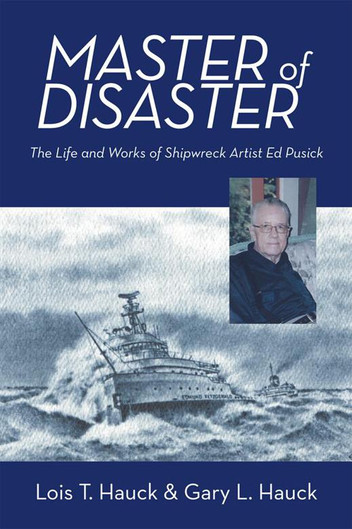
Master of Disaster: The Remarkable Life of Great Lakes Shipwreck Artist Ed Pusick
Master of Disaster: The Life and Works of Shipwreck Artist Ed Pusick tells the extraordinary story of Ed Pusick (1927-2006). This quiet Navy veteran transformed personal tragedy into artistic triumph. Furthermore, his detailed shipwreck illustrations became legendary throughout the Great Lakes region. Moreover, collectors and maritime historians treasure his work today.
The Early Years of the Master of Disaster
Ed Pusick grew up during the Great Depression era. His early life shaped his resilient character. Additionally, he developed a fascination with ships and maritime history. The young Pusick showed artistic talent from childhood. However, he never imagined where his gifts would lead him.
Navy Service and Life-Changing Injury
Pusick served his country with honor in the U.S. Navy. Nevertheless, a devastating accident changed everything. The injury left him with permanent disabilities. Consequently, he faced enormous physical and emotional challenges. Despite these obstacles, Pusick refused to give up.
From Architectural Illustrator to Maritime Legend
Before his accident, Pusick worked as an architectural illustrator. He possessed exceptional technical drawing skills. Furthermore, his attention to detail was extraordinary. The disability forced him to reconsider his career path. Therefore, he began exploring new artistic directions.
Discovering His True Calling
Pusick combined his artistic abilities with maritime passion. He started creating detailed shipwreck illustrations. Moreover, he researched each vessel meticulously. His work captured both historical accuracy and emotional depth. Additionally, he brought forgotten maritime tragedies back to life.
The Master of Disaster’s Unique Artistic Process
Ed Pusick approached each illustration with scientific precision. He studied historical records, photographs, and survivor accounts. Furthermore, he examined ship blueprints and construction details. His process took weeks or months per piece. Nevertheless, the results were breathtaking.
Research and Documentation
Pusick’s research methods were exhaustive:
- Consulted maritime archives and historical societies
- Interviewed survivors and their descendants
- Studied weather reports from disaster dates
- Examined underwater wreckage photographs
- Reviewed Coast Guard and Navy investigation reports
- Analyzed ship construction specifications
- Corresponded with maritime historians and experts
Moreover, he verified every detail before putting pencil to paper. His commitment to accuracy became legendary. Therefore, historians trusted his interpretations completely.
Life as a Quiet Eccentric Bachelor
Ed Pusick lived a solitary, focused existence. He never married or sought the spotlight. However, his dedication to his craft was absolute. Additionally, he maintained a modest lifestyle. His small home became his studio and sanctuary.
The Artist’s Daily Routine
Pusick worked with monk-like discipline. He spent hours at his drafting table daily. Furthermore, he rarely took breaks or vacations. His entire life revolved around his art. Nevertheless, he found deep satisfaction in his work.
Recognition and Rising Fame
Pusick’s talent eventually gained widespread recognition. The History Channel featured his illustrations in documentaries. Moreover, maritime museums sought his work for exhibitions. Consequently, his reputation grew throughout the Great Lakes region. Despite fame, he remained humble and reclusive.
The Whitefish Point Connection
The Whitefish Point Shipwreck Museum became a major showcase. They displayed his artwork prominently. Furthermore, visitors marveled at his detailed renderings. The museum recognized his contribution to maritime preservation. Additionally, they helped introduce his work to broader audiences.
Limited Edition Prints and Collectors
Pusick produced limited edition prints of his illustrations. These became highly sought after by collectors. Moreover, their value increased over time. Each print bore his signature and edition number. Therefore, authenticity was guaranteed.
The Collector’s Market
Maritime enthusiasts eagerly purchased his prints. Furthermore, they appreciated the historical significance. Some collectors owned dozens of his works. Additionally, galleries began representing his art. However, Pusick maintained control over production numbers.
Enter Lois T. Hauck: Caregiver and Biographer
Lois Hauck entered Ed Pusick’s life as his caregiver. She helped him manage daily challenges from his disability. Moreover, she recognized his remarkable story deserved documentation. Consequently, she began recording his memories and experiences. Their relationship evolved into deep friendship and collaboration.
Gary Hauck’s Contribution
Lois worked with Gary Hauck to complete the biography. Together, they preserved Pusick’s legacy. Furthermore, they conducted extensive interviews with the artist. Additionally, they gathered photographs and correspondence. Their dedication ensured his story would survive.
The Master of Disaster’s Technical Mastery
Pusick’s illustrations demonstrated extraordinary technical skill. He rendered ships with architectural precision. Moreover, he captured dramatic moments with artistic flair. His work balanced accuracy with emotional impact. Therefore, viewers felt transported to disaster scenes.
Materials and Methods
The artist used traditional drafting tools exclusively. He worked primarily in pencil and ink. Furthermore, he employed precise measurement techniques. His steady hand created incredibly fine details. Additionally, he used shading to create depth and atmosphere.
Great Lakes Maritime History Preservation
Pusick’s work served a crucial historical purpose. He documented vessels that had vanished beneath the waves. Moreover, he preserved memories of maritime tragedies. His illustrations became important historical records. Consequently, future generations could visualize these lost ships.
Forgotten Wrecks Remembered
Many shipwrecks had faded from public memory. Pusick brought them back into consciousness. Furthermore, he honored the sailors who perished. His art became a form of memorial. Additionally, it educated people about Great Lakes maritime dangers.
The Psychology Behind the Art
Creating disaster scenes required emotional strength. Pusick confronted tragedy repeatedly through his work. However, he found meaning in remembrance. Moreover, his own struggles informed his empathy. Therefore, his illustrations carried profound emotional weight.
Coping with Personal Disability
Pusick channeled his pain into creative expression. His disability never became an excuse. Furthermore, it deepened his understanding of human suffering. He identified with shipwreck victims’ struggles. Additionally, his art became therapeutic for him.
Documentary Features and Media Attention
The History Channel recognized Pusick’s unique contributions. They featured his illustrations in multiple documentaries. Moreover, his work enhanced storytelling about maritime disasters. Consequently, millions of viewers saw his art. Despite exposure, he avoided personal publicity.
Television and Educational Impact
His illustrations appeared in educational programming regularly. Furthermore, schools used his work in maritime history lessons. Teachers appreciated the visual learning opportunities. Additionally, students connected with history through his art. Therefore, his educational impact extended beyond collectors.
The Final Years and Lasting Friendship
Lois Hauck remained devoted to Pusick until his death. She ensured his comfort and dignity. Moreover, she documented his final creative period. Their friendship enriched both their lives. Additionally, she became the guardian of his legacy.
Preparing the Biography
Hauck recognized the urgency of capturing his story. She interviewed Pusick extensively about his life. Furthermore, she organized his archives and correspondence. Her dedication preserved invaluable historical information. Consequently, this biography became possible.
Legacy in Maritime Art and History
Ed Pusick left an indelible mark on Great Lakes culture. His illustrations remain definitive visual records. Moreover, museums continue displaying his work prominently. Collectors treasure their Pusick prints. Therefore, his influence endures beyond his lifetime.
Influence on Contemporary Artists
Modern maritime artists acknowledge Pusick’s influence. His technical standards set benchmarks. Furthermore, his research methodology inspired others. Young artists study his techniques. Additionally, his dedication serves as inspiration.
The Book’s Structure and Content
Master of Disaster provides comprehensive coverage of Pusick’s life. The biography includes personal anecdotes and artistic analysis. Moreover, it features reproductions of his major works. Readers gain insight into his creative process. Additionally, the book contextualizes his historical importance.
What Readers Will Discover
The biography offers multiple layers of engagement:
- Detailed biographical narrative from childhood through final years
- Analysis of major shipwreck illustrations and their historical context
- Explanation of Pusick’s research and artistic techniques
- Personal stories revealing his character and personality
- Discussion of his Navy service and disabling injury
- Examination of his relationship with collectors and museums
- Lois Hauck’s personal reflections on their friendship
- Historical background on Great Lakes maritime disasters
- Legacy assessment and continuing influence
Furthermore, the book includes rare photographs and documents. Readers experience Pusick’s world intimately. Therefore, the biography serves multiple audiences effectively.
Why This Story Matters Today
Pusick’s story resonates with contemporary readers powerfully. He overcame devastating disability through determination. Moreover, he found purpose through artistic expression. His life demonstrates resilience and dedication. Additionally, his work preserves important regional history.
Lessons from the Master of Disaster
Modern readers find inspiration in Pusick’s example. He transformed limitation into opportunity. Furthermore, he pursued excellence without compromise. His quiet persistence achieved remarkable results. Therefore, his story offers timeless lessons about human potential.
The Great Lakes Maritime Context
Understanding Pusick requires understanding Great Lakes maritime history. These inland seas claimed thousands of vessels. Moreover, storms could arise with terrifying speed. Sailors faced dangers rivaling ocean voyages. Consequently, shipwrecks became part of regional identity.
Famous Disasters Pusick Documented
The artist illustrated many legendary Great Lakes disasters. He depicted the Edmund Fitzgerald’s final moments. Furthermore, he rendered the burning of passenger steamers. His portfolio covered centuries of maritime tragedy. Additionally, he brought lesser-known wrecks to public attention.
Artistic Style and Distinctive Characteristics
Pusick developed a recognizable artistic style. His compositions balanced drama with documentary precision. Moreover, he used atmospheric effects masterfully. Viewers could almost feel the wind and waves. Therefore, his work transcended mere illustration.
Technical Innovation
The artist employed innovative techniques for dramatic effect. He manipulated perspective to enhance emotional impact. Furthermore, he used lighting to focus viewer attention. His compositions told complete stories. Additionally, every element served narrative purpose.
The Collector Community and Market
A dedicated community of Pusick collectors emerged. They traded information about available prints. Moreover, they attended maritime festivals seeking his work. Some collectors specialized in specific vessels or disasters. Consequently, a robust secondary market developed.
Investment Value and Appreciation
Pusick prints appreciated significantly over time. Furthermore, condition and edition number affected value. Serious collectors maintained careful records. Additionally, authentication became increasingly important. Therefore, provenance documentation proved essential.
Collaboration Between the Haucks
Lois and Gary Hauck worked as an effective team. They divided research and writing responsibilities. Moreover, they interviewed numerous sources together. Their collaboration ensured comprehensive coverage. Additionally, their different perspectives enriched the narrative.
Research Challenges and Triumphs
The Haucks faced significant research obstacles. Many of Pusick’s contemporaries had died. Furthermore, he had kept limited personal records. Nevertheless, they persevered through creative investigation. Consequently, they assembled a complete biographical portrait.
The Museum Exhibition Circuit
Major maritime museums featured Pusick retrospectives. The Whitefish Point Museum hosted the largest collection. Moreover, traveling exhibitions introduced his work regionally. Museum visitors responded enthusiastically to his illustrations. Therefore, institutions recognized his cultural importance.
Educational Programming
Museums developed educational programs around Pusick’s work. They offered lectures about his techniques. Furthermore, they conducted workshops on maritime illustration. Students learned about Great Lakes history through his art. Additionally, programs honored his memory and contributions.
Personal Characteristics and Quirks
Ed Pusick possessed distinctive personality traits. He maintained rigid daily routines. Moreover, he avoided social gatherings and publicity. His focus on work bordered on obsessive. However, friends described him as kind and gentle.
The Man Behind the Art
Those who knew Pusick remembered his quiet humor. He spoke rarely but thoughtfully. Furthermore, he showed deep compassion for disaster victims. His humility contrasted with his artistic achievements. Additionally, he never sought recognition or awards.
The Role of Disability in His Art
Pusick’s Navy injury profoundly influenced his career. The disability forced career redirection. Moreover, it provided time for intensive artistic development. His physical limitations never diminished his creative vision. Therefore, adversity became opportunity.
Overcoming Physical Challenges
Creating detailed illustrations required physical stamina. Pusick worked despite chronic pain. Furthermore, he adapted techniques to accommodate limitations. His determination inspired everyone who knew him. Additionally, he never complained about his circumstances.
Historical Accuracy and Research Standards
Pusick set unprecedented standards for maritime illustration accuracy. He refused to guess or approximate details. Moreover, he corrected historical errors in existing records. His research often exceeded that of professional historians. Consequently, his work became authoritative reference material.
Collaboration with Historians
Maritime historians consulted Pusick regularly. They valued his insights and discoveries. Furthermore, he shared research generously with scholars. His contributions advanced Great Lakes maritime studies. Additionally, he helped correct long-standing historical misconceptions.
The Emotional Weight of Disaster Art
Creating tragedy illustrations took an emotional toll. Pusick confronted death and suffering repeatedly. However, he viewed his work as memorial service. Moreover, he honored victims through accurate remembrance. Therefore, his art carried sacred responsibility.
Finding Meaning in Tragedy
The artist discovered purpose through his disaster documentation. He gave voice to forgotten victims. Furthermore, he educated people about maritime dangers. His work prevented historical amnesia. Additionally, it provided comfort to descendants of victims.
Publication Journey and Book Development
Creating this biography required years of effort. The Haucks gathered materials methodically. Moreover, they organized complex information coherently. Their dedication matched Pusick’s own standards. Consequently, the resulting book honors his memory appropriately.
Editorial Process and Refinement
The manuscript underwent extensive revision. Furthermore, maritime experts reviewed technical content. The Haucks ensured accuracy throughout. Additionally, they balanced personal narrative with historical context. Therefore, the final product serves multiple reader interests.
Impact on Great Lakes Cultural Identity
Pusick’s work strengthened regional cultural identity. His illustrations reminded people of maritime heritage. Moreover, they connected contemporary residents with historical events. His art became part of Great Lakes consciousness. Therefore, his cultural impact extended beyond art circles.
Tourism and Heritage Preservation
Maritime tourism benefited from Pusick’s work. Visitors sought locations he illustrated. Furthermore, his art increased interest in shipwreck diving. Heritage organizations used his illustrations in promotional materials. Additionally, he helped generate economic benefits for coastal communities.
The Future of Pusick’s Legacy
Ed Pusick’s influence continues growing posthumously. New generations discover his work regularly. Moreover, digital technology spreads his illustrations globally. His legacy seems secure for future decades. Therefore, his life’s work achieved lasting significance.
Ongoing Exhibitions and Recognition
Museums continue featuring Pusick retrospectives. Furthermore, new exhibitions introduce his work to younger audiences. Maritime organizations honor his contributions regularly. Additionally, his prints remain sought by collectors. Consequently, his reputation continues expanding.
Conclusion: A Life Well Lived
Ed Pusick’s story exemplifies triumph over adversity. He transformed personal tragedy into artistic achievement. Moreover, he preserved important maritime history for future generations. His quiet dedication produced extraordinary results. Furthermore, his work continues educating and inspiring people today.
The biography Master of Disaster: The Life and Works of Shipwreck Artist Ed Pusick captures this remarkable journey completely. Lois T. Hauck and Gary Hauck have created an essential document. They preserved the story of an unsung hero. Moreover, they ensured his contributions won’t be forgotten. Therefore, readers interested in maritime history, art, biography, or stories of human resilience will find this book deeply rewarding.
Pusick never sought fame or recognition during his lifetime. However, his legacy speaks louder than any publicity campaign. His illustrations stand as permanent monuments to lost ships and sailors. Furthermore, they demonstrate what one determined individual can accomplish. Despite disability, isolation, and limited resources, he created something timeless. His life proves that quiet dedication can achieve extraordinary impact.
This biography invites readers into Pusick’s fascinating world. It reveals the man behind the masterpieces. Moreover, it contextualizes his work within Great Lakes maritime history. Readers will understand why collectors treasure his prints. Additionally, they’ll appreciate his contributions to historical preservation. The book serves as a fitting tribute to the Master of Disaster himself—Ed Pusick, the quiet genius who brought shipwrecks back to life through his extraordinary art.




Reviews
There are no reviews yet.