

Description
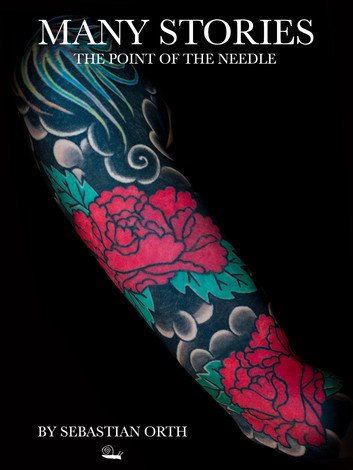
Many Stories: The Point of the Needle by Sebastian Orth – A Comprehensive Synopsis and Review
Introduction: Discovering Sebastian Orth’s Narrative Tapestry
“Many Stories: The Point of the Needle” by Sebastian Orth (ISBN: 9781908191366) presents a compelling collection of interconnected narratives. This e-book weaves together multiple storylines with precision and artistry. Furthermore, Orth’s work explores the delicate balance between individual experiences and collective human consciousness. The point of the needle serves as both a literal and metaphorical device throughout the text.
Moreover, readers will find themselves drawn into a world where small moments create profound impacts. Each story connects to the next like thread through fabric. Consequently, the narrative structure mirrors the book’s central metaphor beautifully.
Understanding the Central Metaphor: The Point of the Needle
The needle’s point represents precision, focus, and the ability to connect disparate elements. Additionally, it symbolizes the sharp moments that pierce through ordinary existence. Orth uses this imagery to explore how single instances can alter entire life trajectories.
In addition, the needle metaphor extends to the act of storytelling itself. Writers pierce through reality to stitch together meaning from chaos. Similarly, readers thread their own experiences through the narratives they encounter.
The sharpness of the needle also suggests pain and transformation. Therefore, many stories in this collection deal with difficult transitions. Characters face moments that fundamentally change their understanding of themselves and others.
Key Themes Explored in Many Stories
Connection and Isolation
Orth masterfully examines how people connect despite overwhelming isolation. Furthermore, he shows how technology both bridges and widens gaps between individuals. The stories reveal characters struggling to maintain authentic relationships in modern society.
Meanwhile, some narratives focus on unexpected connections that arise from chance encounters. These moments demonstrate the randomness and beauty of human interaction. Consequently, readers recognize their own experiences reflected in these fictional encounters.
Memory and Identity
Memory plays a crucial role throughout “Many Stories: The Point of the Needle.” Characters constantly reconstruct their identities through remembered experiences. However, Orth questions the reliability of memory as a foundation for self-understanding.
Additionally, the author explores how collective memory shapes cultural identity. Communities define themselves through shared stories and common histories. Therefore, individual identity becomes inseparable from larger social narratives.
Transformation Through Small Moments
The collection emphasizes how seemingly insignificant moments create lasting change. Moreover, Orth demonstrates that transformation doesn’t always arrive through dramatic events. Instead, subtle shifts in perspective can revolutionize entire worldviews.
For instance, one story follows a character who finds meaning in a discarded photograph. This small discovery leads to a complete reassessment of personal history. Similarly, other narratives show how brief conversations or fleeting observations alter life paths.
Narrative Structure and Style
Interconnected Stories
The stories in this collection don’t exist in isolation from each other. Instead, they form an intricate web of connections and callbacks. Characters from one story appear briefly in another, creating a rich tapestry.
Furthermore, Orth employs recurring symbols and motifs throughout the collection. The needle appears in various forms across different narratives. Consequently, readers develop a deeper appreciation for the central metaphor’s versatility.
Literary Techniques
Orth demonstrates exceptional skill in multiple narrative techniques:
- Stream of consciousness passages that reveal character psychology
- Non-linear timelines that mirror memory’s fragmentary nature
- Multiple perspectives that challenge singular interpretations
- Symbolic imagery that reinforces thematic concerns
- Minimalist dialogue that suggests more than it states
Additionally, the author varies sentence structure to match emotional content. Short, sharp sentences convey urgency and tension effectively. Meanwhile, longer, flowing sentences create contemplative, meditative atmospheres.
Language and Tone
The prose style balances accessibility with literary sophistication. Moreover, Orth avoids unnecessary complexity while maintaining intellectual depth. His word choices feel precise and intentional throughout the collection.
In addition, the tone shifts appropriately between different stories and sections. Some narratives adopt a melancholic, reflective quality. Others burst with energy and forward momentum.
Character Development Across Stories
Recurring Character Types
Orth populates his stories with recognizable yet unique individuals. Furthermore, certain character archetypes appear repeatedly with interesting variations. These include the isolated artist, the searching wanderer, and the reluctant connector.
However, the author avoids reducing characters to simple types. Each individual possesses complexity and contradictions that feel authentically human. Consequently, readers develop genuine emotional connections with these fictional people.
Character Arcs and Growth
Many characters undergo significant transformation throughout their respective narratives. Moreover, Orth shows how growth often involves painful realizations and difficult choices. The point of the needle pierces through comfortable illusions.
Additionally, some characters resist change despite circumstances demanding adaptation. These stories explore the human tendency toward stasis and familiar patterns. Therefore, not all narratives conclude with positive transformation or resolution.
Major Stories Within the Collection
“Threading Light”
This opening story establishes the collection’s central themes and metaphors. Furthermore, it introduces readers to Orth’s distinctive narrative voice and style. The protagonist discovers an old sewing kit that belonged to her grandmother.
Through this discovery, she begins reconstructing family history and personal identity. Moreover, the act of sewing becomes a meditation on connection and creation. The story beautifully demonstrates how physical objects carry emotional and historical weight.
“The Seamstress of Memory”
Perhaps the collection’s most powerful narrative, this story follows an elderly woman. She spends her days repairing clothes for community members. However, each garment triggers memories from her long, complex life.
Additionally, the seamstress serves as keeper of community history and secrets. People confide in her while she works on their clothing. Consequently, she becomes a living archive of human experience and emotion.
“Puncture Wounds”
This darker story explores trauma and its lasting psychological effects. Moreover, it examines how painful experiences can either destroy or transform individuals. The protagonist struggles with memories of childhood abuse and neglect.
The needle imagery takes on more sinister connotations in this narrative. Sharp objects represent both the original trauma and potential healing. Therefore, the story asks whether confronting pain leads to genuine recovery.
“Stitching Shadows”
A more experimental piece, this story blurs boundaries between reality and imagination. Furthermore, it questions whether objective truth exists or matters in storytelling. The narrator may be unreliable, leaving readers to determine authenticity.
Additionally, the narrative structure itself mirrors the fragmented nature of consciousness. Scenes jump between time periods without clear transitions or explanations. Consequently, readers must actively construct meaning from disparate elements.
Thematic Analysis: Deeper Meanings
The Act of Creation
Orth consistently returns to creation as a fundamental human activity and need. Moreover, he shows how people create meaning through stories, relationships, and art. The needle becomes a symbol for the creative impulse itself.
Furthermore, the collection explores both the joy and burden of creative work. Artists in these stories struggle with self-doubt and external pressures. However, they continue creating because the alternative feels like spiritual death.
Fragmentation and Wholeness
Modern life’s fragmentary nature appears throughout “Many Stories: The Point of the Needle.” Characters feel disconnected from themselves, others, and larger meaning. Moreover, technology and social change accelerate this sense of fragmentation.
However, Orth also shows how fragments can be stitched into coherent wholes. The needle’s point pierces through separate pieces to create unified fabric. Therefore, the collection ultimately offers hope for connection and integration.
Time and Temporality
The relationship between past, present, and future receives extensive exploration. Additionally, Orth questions linear conceptions of time and progress. Memory collapses temporal boundaries, making the past perpetually present.
Furthermore, characters often feel trapped between nostalgia and anxiety about the future. They struggle to inhabit the present moment fully and authentically. Consequently, the stories examine how temporal displacement affects human consciousness.
Literary Context and Influences
Modernist Traditions
Orth clearly draws inspiration from modernist literary traditions and techniques. Moreover, his fragmented narratives recall works by Virginia Woolf and James Joyce. The emphasis on consciousness and subjectivity reflects modernist concerns.
However, the author updates these techniques for contemporary contexts and concerns. Digital technology and social media create new forms of fragmentation. Therefore, Orth’s modernism feels relevant to twenty-first-century experience.
Contemporary Short Story Collections
The collection also participates in contemporary conversations about short fiction. Furthermore, it shares qualities with works by authors like Jennifer Egan and Anthony Doerr. These writers similarly explore connections between individual stories and larger patterns.
Additionally, Orth’s work demonstrates the short story collection’s unique possibilities. Unlike novels, collections can present multiple perspectives and contradictory truths. Consequently, they mirror life’s complexity more accurately than single narratives.
Critical Reception and Impact
Initial Reviews
“Many Stories: The Point of the Needle” received generally positive critical attention. Moreover, reviewers praised Orth’s technical skill and thematic depth. Many noted the collection’s emotional resonance and intellectual sophistication.
However, some critics found the interconnected structure occasionally confusing or overly complex. Additionally, a few reviewers wanted more conventional narrative satisfaction. These responses reflect ongoing debates about experimental versus traditional fiction.
Reader Responses
General readers have responded enthusiastically to the collection’s accessibility and depth. Furthermore, many appreciate how the stories reward multiple readings. Each encounter reveals new connections and meanings previously overlooked.
Additionally, book clubs have embraced the collection for its discussion potential. The stories raise questions about memory, identity, and human connection. Consequently, readers find themselves engaged in meaningful conversations about fundamental concerns.
Writing Craft: What Writers Can Learn
Structure and Organization
Orth demonstrates how to create unity across disparate stories effectively. Moreover, he shows the power of recurring symbols and motifs. Writers can learn how subtle connections create satisfying reading experiences.
Furthermore, the collection illustrates various approaches to story structure and pacing. Some narratives follow traditional arcs while others experiment with form. Therefore, the book serves as a masterclass in structural possibilities.
Character Creation
The author’s approach to characterization offers valuable lessons for writers. Moreover, he creates memorable individuals through specific details and authentic voices. Characters feel real without requiring extensive backstory or explanation.
Additionally, Orth shows how to develop characters across limited page counts. Short stories demand efficiency in characterization and development. Consequently, every detail must serve multiple purposes simultaneously.
Thematic Development
Writers can study how Orth weaves themes throughout individual stories and the collection. Moreover, he avoids heavy-handed messaging while maintaining thematic clarity. The themes emerge organically from character and situation.
Furthermore, the collection demonstrates how to explore complex ideas through concrete imagery. Abstract concepts become tangible through the needle metaphor and related symbols. Therefore, readers grasp sophisticated ideas through accessible narrative elements.
Symbolic Elements and Imagery
The Needle as Central Symbol
The needle functions on multiple symbolic levels throughout the collection. Moreover, it represents precision, pain, connection, and creation simultaneously. This multivalent symbolism enriches every story it touches.
Additionally, the needle’s point suggests the moment of penetration or breakthrough. Characters experience sharp realizations that pierce through comfortable illusions. Consequently, transformation often arrives through painful but necessary insights.
Thread and Fabric
Thread appears as a complementary symbol to the needle throughout the collection. Moreover, it represents the connections between people, stories, and experiences. Individual threads seem fragile but create strong fabric when woven together.
Furthermore, fabric symbolizes the social and cultural contexts that shape individuals. People exist within larger patterns they didn’t create but must navigate. Therefore, the collection explores tension between individual agency and social determination.
Light and Shadow
Orth frequently employs light and shadow imagery to suggest knowledge and ignorance. Moreover, characters move between illumination and darkness both literally and metaphorically. Understanding arrives like light piercing through shadowy confusion.
Additionally, shadows represent the unconscious and repressed aspects of personality. Characters must confront their shadows to achieve wholeness and integration. Consequently, the collection engages with psychological and spiritual dimensions of human experience.
Philosophical Dimensions
Existential Questions
The stories consistently engage with fundamental existential concerns and questions. Moreover, characters grapple with meaning, purpose, and authenticity in their lives. Orth doesn’t provide easy answers but explores questions with depth and nuance.
Furthermore, the collection examines how people create meaning in apparently meaningless circumstances. Characters construct narratives that give shape and significance to random events. Therefore, storytelling itself becomes an existential act of meaning-making.
Ethics and Responsibility
Many stories explore ethical dimensions of human relationships and choices. Additionally, Orth examines how people balance self-interest with responsibility to others. Characters face dilemmas without clear right answers or easy resolutions.
Moreover, the collection questions whether individuals can truly understand others’ experiences. Empathy has limits, yet connection requires attempting to bridge those gaps. Consequently, the stories explore both the possibility and impossibility of genuine understanding.
Cultural and Social Commentary
Modern Alienation
Orth provides incisive commentary on contemporary alienation and disconnection. Moreover, he shows how modern life’s pace and complexity overwhelm human capacity. Characters struggle to maintain authentic relationships amid constant distractions.
Furthermore, technology appears as both solution and problem in these narratives. Digital communication enables connection across distances but lacks physical presence. Therefore, the collection examines technology’s ambiguous role in human relationships.
Community and Belonging
Despite emphasizing isolation, the stories also celebrate community and belonging. Additionally, Orth shows how people create meaning through shared experiences and stories. Communities form around common values, histories, and aspirations.
Moreover, the collection explores tension between individual freedom and communal obligation. Characters want autonomy but also crave connection and belonging. Consequently, they must negotiate between competing desires and needs.
Emotional Impact and Resonance
Moments of Beauty
The collection contains numerous moments of unexpected beauty and grace. Moreover, Orth finds poetry in ordinary experiences and everyday observations. These moments provide emotional relief from the stories’ darker elements.
Furthermore, beauty often arrives through small details rather than grand gestures. A particular quality of light, a remembered smell, or a brief touch. Therefore, the collection trains readers to notice and appreciate subtle beauties.
Grief and Loss
Many stories deal honestly with grief, loss, and mourning. Additionally, Orth shows how people carry losses throughout their lives. Grief doesn’t resolve neatly but becomes integrated into ongoing experience.
Moreover, the collection explores different forms of loss beyond death. Characters mourn lost opportunities, failed relationships, and abandoned dreams. Consequently, the stories acknowledge life’s inevitable disappointments and sorrows.
Hope and Resilience
Despite addressing difficult subjects, the collection ultimately affirms human resilience. Furthermore, characters demonstrate remarkable capacity to endure and even transcend suffering. Hope emerges not through denial but through honest engagement with reality.
Additionally, Orth shows how people find strength in unexpected places and relationships. Small kindnesses and brief connections sustain individuals through dark periods. Therefore, the collection celebrates human capacity for compassion and mutual support.
Conclusion: The Lasting Impact of Many Stories
“Many Stories: The Point of the Needle” by Sebastian Orth stands as a significant achievement. Moreover, it demonstrates the short story collection’s unique power and possibilities. The interconnected narratives create something greater than their individual parts.
Furthermore, Orth’s central metaphor proves remarkably flexible and generative throughout the collection. The needle’s point pierces through surfaces to reveal deeper truths. Consequently, readers emerge with an enhanced understanding of human experience and consciousness.
The collection rewards careful reading and thoughtful reflection on its themes. Additionally, it invites readers to consider their own stories and connections. Each person exists at the intersection of countless narratives and relationships.
Moreover, the book demonstrates how literature can illuminate fundamental human concerns. Through fictional characters and situations, Orth explores universal questions about meaning and connection. Therefore, the collection achieves both artistic excellence and philosophical depth.
Ultimately, “Many Stories: The Point of the Needle” reminds us that individual stories matter. Furthermore, it shows how personal narratives connect to create larger cultural tapestries. The needle stitches together fragments into meaningful wholes, just as stories connect us.
This e-book deserves attention from serious readers and casual fiction lovers alike. Moreover, it offers something valuable to anyone interested in human nature and experience. Sebastian Orth has created a collection that will resonate for years to come.


Reviews
There are no reviews yet.