

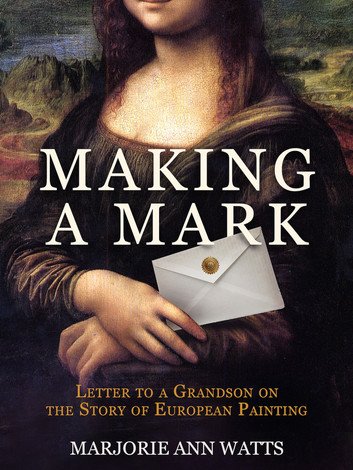
Description
Making a Mark: A Grandmother’s Guide to European Painting History
Discover the Beauty of European Art Through a Personal Letter
Making a Mark by Marjorie Ann Watts offers a unique journey through European painting history. This intimate e-book takes the form of a heartfelt letter from grandmother to grandson. Moreover, it transforms complex art history into an accessible and engaging narrative. The author shares centuries of artistic achievement through warm, personal storytelling.
Watts writes directly to her grandson, therefore creating an intimate reading experience. She guides readers through the evolution of European painting with clarity and passion. Furthermore, her conversational tone makes art history feel approachable and relevant.
A Personal Approach to Art Education
Making a Mark stands apart from traditional art history textbooks. Instead, it reads like a conversation between generations. Watts shares her deep knowledge while maintaining warmth and accessibility throughout.
The grandmother-grandson format creates natural teaching moments. Consequently, readers feel like part of an ongoing family dialogue. This approach removes intimidation from learning about classical art.
Each chapter builds upon previous lessons organically. Additionally, Watts connects historical context to artistic movements seamlessly. She helps readers understand why certain styles emerged when they did.
Journey Through Centuries of European Painting
The book covers major periods in European art history comprehensively. Watts begins with early Renaissance masters and progresses chronologically forward. However, she never loses sight of human stories behind the paintings.
Readers explore how artists responded to their times. Moreover, they discover connections between social change and artistic innovation. Watts illuminates these relationships with clear, vivid examples.
The narrative flows naturally from one era to the next. Therefore, readers gain understanding of artistic evolution over time. This chronological approach helps contextualize each movement’s significance.
Key Topics Covered in the Book
Making a Mark addresses essential elements of European painting history:
- Renaissance masters and their revolutionary techniques
- Baroque drama and emotional intensity in art
- Impressionism’s break from traditional academic painting
- Post-Impressionist innovations and personal expression
- Modern movements that challenged conventional boundaries
- The relationship between society and artistic creation
- Technical developments that enabled new styles
- Individual artists who changed painting forever
Understanding Artistic Techniques and Innovations
Watts explains technical aspects without overwhelming readers with jargon. She describes how artists mixed pigments and prepared canvases. Furthermore, she reveals how technique influenced artistic expression significantly.
The book explores perspective, light, and composition clearly. Consequently, readers learn to see paintings with more informed eyes. These technical insights enhance appreciation without requiring prior knowledge.
Watts connects technique to artistic intention throughout her narrative. Therefore, readers understand why artists made specific choices. This connection deepens engagement with the artworks discussed.
The Human Stories Behind Masterpieces
Making a Mark emphasizes the people who created European painting’s legacy. Watts shares biographical details that illuminate artistic choices. Moreover, she reveals how personal circumstances shaped creative output.
Readers meet artists as complex, relatable human beings. She describes their struggles, triumphs, and relationships with patrons. Additionally, she explores how historical events affected their work.
These personal stories make art history memorable and engaging. Consequently, readers remember both artists and their contributions. The human element transforms facts into compelling narratives.
Why This Book Matters for Modern Readers
Contemporary audiences benefit from understanding European painting’s rich heritage. Watts demonstrates how historical art influences modern visual culture. Furthermore, she shows why these paintings remain relevant today.
The book builds visual literacy in an increasingly image-saturated world. Readers develop skills for analyzing and appreciating visual communication. Moreover, they gain context for understanding contemporary art movements.
Watts argues that art history connects us to shared human experience. Therefore, learning about painting enriches our understanding of humanity. This perspective elevates the book beyond simple art education.
The Letter Format’s Unique Advantages
Writing as a letter to her grandson gives Watts remarkable freedom. She can digress, reflect, and share personal observations naturally. However, she never loses focus on her educational mission.
The format allows for warmth that textbooks cannot achieve. Consequently, readers feel personally addressed and valued. This intimacy encourages continued engagement with challenging material.
Watts anticipates questions a curious young person might ask. Therefore, she addresses common confusions and misconceptions proactively. This approach makes the book exceptionally user-friendly.
Building Appreciation Across Generations
The book bridges generational gaps through shared cultural heritage. Watts demonstrates how art transcends time and speaks universally. Moreover, she shows how different generations can connect through beauty.
Grandparents can share this book with younger family members meaningfully. It provides common ground for discussion and exploration together. Additionally, it models how knowledge passes between generations lovingly.
The intergenerational dialogue format encourages family conversations about art. Therefore, the book’s impact extends beyond individual reading experiences. It becomes a catalyst for shared discovery and bonding.
Accessible Language for All Knowledge Levels
Watts writes clearly without condescending to her audience. She avoids unnecessary jargon while maintaining intellectual substance. Furthermore, she defines specialized terms when they become necessary.
The prose flows smoothly and maintains consistent readability throughout. Consequently, readers of various backgrounds can engage successfully. This accessibility makes European art history available to everyone.
Short paragraphs and clear sentence structure enhance comprehension significantly. Moreover, the conversational tone keeps readers engaged and interested. Watts proves that scholarly content can remain approachable.
Perfect for Self-Directed Learning
Making a Mark works beautifully for independent study and exploration. Readers can progress at their own comfortable pace. However, the narrative structure encourages continuous reading rather than fragmentation.
The book requires no prior art history knowledge whatsoever. Watts builds understanding from foundational concepts upward systematically. Therefore, complete beginners feel welcomed and supported throughout.
More knowledgeable readers will also find value in fresh perspectives. Watts offers insights that deepen existing understanding of familiar material. Additionally, her personal approach reveals new dimensions of well-known works.
A Lasting Gift of Cultural Knowledge
This e-book represents a grandmother’s gift to future generations. Watts shares accumulated wisdom about European painting’s magnificent tradition. Moreover, she does so with generosity and genuine affection.
Readers finish the book with expanded cultural literacy and appreciation. They gain tools for engaging with art museums and galleries confidently. Furthermore, they develop a framework for continued learning independently.
The letter format makes this knowledge feel like inherited treasure. Consequently, readers value the information more deeply than textbook facts. Watts creates an emotional connection to European painting history.
Conclusion: An Invitation to See Differently
Marjorie Ann Watts invites readers to see European painting with new eyes. Her letter to her grandson becomes a letter to all curious learners. Moreover, it demonstrates that art history belongs to everyone, not just specialists.
The book succeeds because it prioritizes understanding over memorization. Watts wants readers to genuinely appreciate what they see. Therefore, she focuses on developing visual intelligence and emotional connection.
Making a Mark ultimately argues that art enriches human life profoundly. European painting’s legacy offers beauty, meaning, and connection across centuries. This e-book makes that legacy accessible, engaging, and personally meaningful for contemporary readers seeking cultural enrichment.





Reviews
There are no reviews yet.