

Description
Little Porcupine Goes to the Psyche Ward: A Heartfelt Journey Through Mental Health
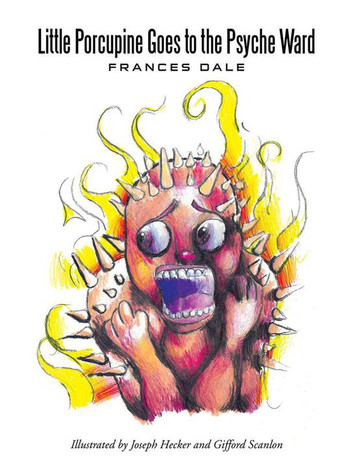
Little Porcupine faces an unexpected challenge in Frances Dale’s touching story. This brave character must navigate the confusing world of mental health treatment. The book follows Little Porcupine’s journey through a psychiatric ward, and it offers hope to young readers. Moreover, it teaches important lessons about emotional wellness and self-acceptance.
Understanding Little Porcupine’s Story
The tale begins when Little Porcupine feels overwhelmed by difficult emotions. Friends and family notice changes in behavior and seek professional help. Little Porcupine enters a psychiatric ward, and the experience feels scary at first. However, the staff members show kindness and understanding throughout the stay.
Dale creates a safe space for discussing mental health with children. The story uses gentle language to explain complex feelings. Furthermore, it normalizes seeking help when emotions become too big to handle alone. Young readers learn that asking for support shows strength, not weakness.
Key Themes in the Book
This powerful narrative explores several important topics that resonate with readers:
- Emotional honesty and vulnerability
- The importance of professional mental health support
- Building resilience through difficult times
- Finding community and connection during healing
- Self-acceptance and personal growth
- Breaking stigma around psychiatric treatment
The Porcupine’s Healing Journey
Inside the ward, Little Porcupine meets other animals facing similar struggles. These friendships provide comfort and reduce feelings of isolation. Additionally, therapy sessions help the porcupine better understand confusing emotions. The character learns healthy coping strategies through various activities and exercises.
Dale portrays mental health professionals as caring allies in the healing process. Doctors, nurses, and therapists work together to support Little Porcupine’s recovery. Because of their guidance, the porcupine discovers inner strength and hope. The treatment environment feels safe, structured, and supportive throughout the narrative.
Lessons About Mental Wellness
The book teaches children that mental health matters just as much as physical health. Everyone experiences difficult emotions sometimes, and that’s completely normal. However, when feelings become overwhelming, professional help can make a real difference. Little Porcupine’s story shows that recovery is possible with proper support and care.
Young readers learn to recognize warning signs in themselves and others. The narrative encourages open conversations about feelings within families and communities. Moreover, it emphasizes that seeking help demonstrates courage and self-awareness. These lessons empower children to prioritize their emotional well-being from an early age.
Why This Book Matters
Frances Dale addresses a critical gap in children’s literature with this story. Mental health topics often feel taboo, but this book breaks down barriers. It provides parents and educators with a valuable tool for starting important conversations. Furthermore, children who struggle with mental health feel seen and validated through representation.
The porcupine character makes the subject matter approachable and less intimidating for young audiences. Animal characters help children process difficult topics from a comfortable distance. Therefore, readers can explore complex emotions without feeling directly threatened or overwhelmed. This storytelling approach proves both effective and compassionate.
The Power of Representation
Children facing mental health challenges often feel alone in their experiences. This book shows them that others understand their struggles and care about their recovery. Little Porcupine becomes a friend and guide through unfamiliar territory. Additionally, the story reduces shame and stigma surrounding psychiatric treatment.
Representation in literature helps normalize diverse experiences and validates different journeys. When children see characters like themselves in books, they feel less isolated. Because of this representation, young readers develop greater empathy and understanding. The story builds bridges between those who struggle and those who support them.
Practical Applications for Families
Parents can use this book to open dialogues about emotional health with their children. Reading together creates opportunities for questions and honest discussions about feelings. Moreover, the story provides language to express complex emotions that children might not otherwise articulate. It serves as both an entertainment and educational resource for families.
Educators and counselors also find this narrative valuable in classroom and therapeutic settings. The book helps explain what happens during psychiatric treatment in age-appropriate terms. Therefore, children feel less anxious if they or someone they know needs mental health support. Knowledge reduces fear and builds understanding across communities.
The Author’s Compassionate Approach
Frances Dale writes with sensitivity and genuine care for her young audience. Her storytelling balances honesty with hope throughout Little Porcupine’s journey. The narrative never minimizes struggles, but it always emphasizes possibilities for healing and growth. This balanced approach respects children’s intelligence while protecting their emotional safety.
Dale’s background informs her compassionate portrayal of mental health treatment. She understands the importance of accurate representation in children’s literature. Furthermore, her writing style remains accessible without talking down to young readers. The result is a story that resonates across age groups and experiences.
Hope and Healing
The book’s ultimate message centers on hope and the possibility of recovery. Little Porcupine emerges from the experience stronger and more self-aware than before. The character learns valuable tools for managing difficult emotions in healthy ways. Moreover, the porcupine discovers a supportive community that continues beyond the hospital stay.
This hopeful conclusion reassures young readers that difficult times don’t last forever. With proper support and treatment, people can heal and thrive after mental health challenges. Because the story ends positively, children feel encouraged rather than frightened about seeking help. Hope becomes the foundation for building resilience and emotional strength.
Conclusion
“Little Porcupine Goes to the Psyche Ward” offers an essential resource for families navigating mental health topics. Frances Dale creates a compassionate, honest narrative that serves children facing emotional challenges. The book breaks down stigma and builds understanding through relatable storytelling and lovable characters.
This story empowers young readers to prioritize their mental wellness without shame or fear. It teaches that seeking help demonstrates strength and self-care, not weakness or failure. Moreover, it provides comfort to children who feel alone in their struggles. Little Porcupine’s journey reminds us all that healing is possible with support, compassion, and hope.






Reviews
There are no reviews yet.