

Description
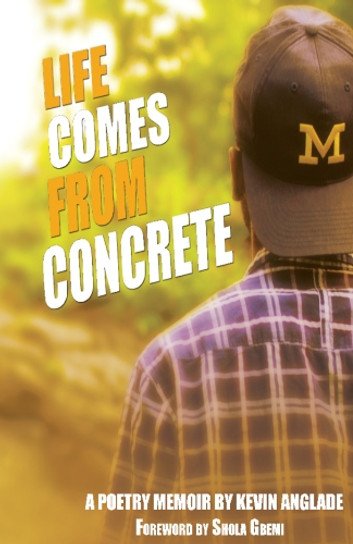
Life Comes From Concrete: A Poetry Memoir by Kevin Anglade
“Life Comes From Concrete: A Poetry Memoir” tells the powerful story of Kevin Anglade. This NYC poet shares his journey through verse and personal reflection. Moreover, the poetry memoir captures his transformation from adolescence to manhood. Known as Kev Elev on stage, Anglade uses poetry to explore identity. Furthermore, he examines what it means to become a critical-thinking Black man.
The book combines raw honesty with artistic expression throughout its pages. Anglade doesn’t shy away from vulnerability or difficult truths. Instead, he embraces them as essential parts of his story. Therefore, readers encounter an authentic voice that resonates deeply.
Understanding the Poetry Memoir Format
This poetry memoir blends two powerful literary forms into one cohesive narrative. Personal reflections sit alongside carefully crafted poems that illuminate Anglade’s experiences. Additionally, this format allows readers to experience his story on multiple levels. The prose provides context while the poetry delivers emotional impact.
Anglade chose this hybrid approach deliberately and thoughtfully. He wanted to show how poetry serves as both mirror and window. Moreover, the format reflects how we actually process our own lives. We move between reflection and feeling, between analysis and emotion.
The structure gives readers space to breathe between intense moments. Furthermore, it creates rhythm that mirrors the urban landscape Anglade describes. This isn’t just a collection of poems with commentary attached. Instead, it’s a fully integrated work where each element strengthens the other.
Five Sections Chart the Journey
The book divides into five distinct sections that map Anglade’s evolution. Each section focuses on different themes and life stages he experienced. Moreover, this structure helps readers follow his transformation chronologically and thematically. The sections build upon each other to create a complete portrait.
The journey begins with childhood experiences that shaped his worldview early on. Then it moves through adolescence with all its confusion and discovery. Furthermore, later sections explore his emergence into manhood and self-awareness. Each phase receives the attention and nuance it deserves.
This organizational choice reflects how we understand our own lives retrospectively. We see patterns and themes that weren’t visible while living them. Therefore, the five-section structure offers both clarity and complexity simultaneously.
From Adolescent to Critical-Thinking Black Man
Anglade’s transformation forms the heart of this poetry memoir’s narrative arc. He depicts himself as an adolescent teenager searching for identity and purpose. However, he doesn’t romanticize this period or make it seem easier than it was. Instead, he shows the real struggles of finding himself.
The book explores what it means to develop critical thinking in challenging environments. Anglade learned to question, analyze, and form his own perspectives on life. Moreover, he did this while navigating the specific challenges facing Black men. His journey toward consciousness becomes a central theme throughout the work.
He shows how education—both formal and informal—shaped his intellectual development significantly. Furthermore, he credits specific people and experiences with opening his mind. The poetry captures moments of revelation and gradual awakenings alike. Therefore, readers witness transformation as a process rather than a single event.
Key Themes Explored Throughout
The poetry memoir addresses several interconnected themes that define Anglade’s experience:
- Self-discovery and identity formation in urban environments
- The journey from adolescence to mature manhood
- Developing critical consciousness as a Black man in America
- The power of poetry as healing and expression
- Resilience in the face of adversity and hardship
- The impact of mentors and influential people
- Finding beauty and growth in concrete jungles
- Balancing vulnerability with strength and determination
These themes weave throughout the five sections in complex and nuanced ways. Moreover, they reflect universal struggles while remaining grounded in specific experiences. Anglade’s treatment of these subjects feels both personal and broadly relatable.
Grabbing Life by the Horns
The book depicts a young man learning to take control of his destiny. Anglade shows how he moved from passive observer to active participant. Furthermore, he demonstrates what it means to seize opportunities despite obstacles. This theme of agency runs throughout the entire poetry memoir.
He doesn’t present himself as a hero or someone who had everything figured out. Instead, he shows the messy reality of learning to advocate for yourself. Moreover, he reveals the fear that comes with stepping into your own power. Yet he also celebrates the freedom that comes from taking charge.
The poetry captures both the exhilaration and terror of self-determination beautifully. Anglade writes about making mistakes and learning from them without shame. Therefore, his story becomes one of growth rather than perfection. This honesty makes his triumph feel earned and authentic.
The People Who Shaped His Path
Anglade dedicates significant attention to those who impacted his life profoundly. He writes about mentors, family members, friends, and even brief encounters. Moreover, he shows how each person contributed something essential to his development. The poetry memoir becomes a tribute to community and connection.
These portraits reveal Anglade’s deep appreciation for the people who believed in him. He doesn’t take their influence for granted or minimize their contributions. Instead, he examines how specific individuals opened doors or shifted his perspective. Furthermore, he shows how love and support manifest in different ways.
The book demonstrates that transformation rarely happens in isolation or complete independence. We need others to reflect our potential back to us. Therefore, Anglade’s story becomes one of interdependence rather than rugged individualism. This perspective adds depth and warmth to the entire narrative.
Urban Experiences and Concrete Landscapes
The title “Life Comes From Concrete” speaks to Anglade’s urban upbringing directly. He explores how cities shape the people who grow up within them. Moreover, he finds beauty and possibility in environments others might dismiss. The concrete becomes a metaphor for resilience and unexpected growth.
Anglade writes about NYC with the intimacy of someone who knows its rhythms. He captures the energy, diversity, and challenges of city life authentically. Furthermore, he shows how urban spaces can both constrain and liberate simultaneously. The city becomes a character in his story.
His poetry finds flowers growing through sidewalk cracks and hope in crowded subway cars. Therefore, the urban landscape isn’t just backdrop but active force in his development. This perspective challenges stereotypes about city life and its effects on young people.
Poetry as Tool for Expression and Healing
Throughout the poetry memoir, Anglade demonstrates poetry’s transformative power in his life. He shows how writing helped him process difficult experiences and emotions. Moreover, he reveals how performance gave him voice and community. Poetry becomes both mirror and medicine in his hands.
The book illustrates how artistic expression can save lives and restore dignity. Anglade didn’t just write poetry as hobby or academic exercise. Instead, he used it as essential tool for survival and self-understanding. Furthermore, he shows how sharing poetry creates connection with others.
His stage persona Kev Elev represents the confidence poetry helped him develop. Performance allowed him to step into a more powerful version of himself. Therefore, the poetry memoir itself becomes evidence of poetry’s healing capacity. The form and content align perfectly to prove his point.
Balancing Vulnerability with Strength
One of the book’s greatest achievements is its honest portrayal of masculine vulnerability. Anglade doesn’t hide his fears, doubts, or moments of weakness from readers. However, he also doesn’t wallow in victimhood or self-pity. Instead, he shows how acknowledging vulnerability actually builds strength.
The poetry memoir challenges narrow definitions of Black masculinity that demand constant toughness. Anglade demonstrates that real strength includes the courage to be honest. Moreover, he shows how pretending to be invincible actually makes us weaker. This message resonates powerfully throughout the work.
He writes about crying, confusion, and feeling lost without shame or apology. Furthermore, he shows how these moments led to growth and deeper understanding. Therefore, vulnerability becomes a source of power rather than weakness. This reframing offers important lessons for all readers.
The Power of Personal Narrative
“Life Comes From Concrete” proves that individual stories carry universal truths within them. Anglade’s specific experiences illuminate broader themes about identity and growth. Moreover, his willingness to share his story gives others permission to share theirs. The poetry memoir becomes an act of generosity and courage.
The book demonstrates how personal narrative can challenge stereotypes and expand understanding. Anglade’s story complicates simplistic narratives about young Black men in urban environments. Furthermore, it shows the complexity and richness of lives often reduced to statistics. His humanity shines through every page.
By sharing his journey so openly, Anglade creates space for dialogue and connection. Therefore, the poetry memoir serves purposes beyond personal catharsis or artistic expression. It becomes a bridge between different experiences and a testament to resilience.
Why This Poetry Memoir Matters
Kevin Anglade’s “Life Comes From Concrete” fills an important space in contemporary literature. It offers authentic representation of experiences often overlooked or misrepresented in mainstream publishing. Moreover, it demonstrates poetry’s continued relevance as a form for truth-telling. The book speaks to multiple audiences simultaneously.
Young people searching for their own identity will find validation and inspiration here. Furthermore, anyone interested in poetry’s power will discover compelling evidence of its impact. The work succeeds both as art and as testimony to human resilience.
Anglade’s voice feels fresh, urgent, and necessary in today’s literary landscape. He writes with clarity and passion that cuts through pretension. Therefore, this poetry memoir deserves attention from readers seeking authentic, powerful storytelling. It proves that life truly can come from concrete when we nurture it.





Reviews
There are no reviews yet.