

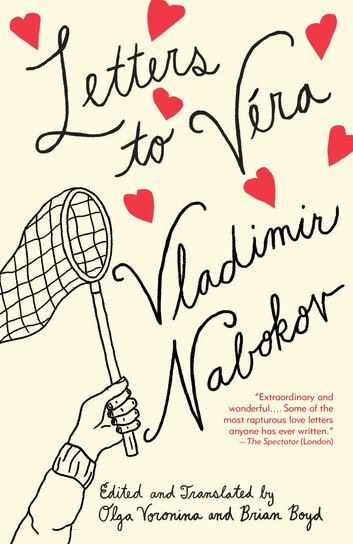
Description
Letters to Véra: Vladimir Nabokov’s Half-Century Love Story Through Correspondence
Introduction: A Literary Love Story Revealed Through Letters
Letters to Véra by Vladimir Nabokov presents an intimate portrait of one of literature’s greatest romances. This collection from Vintage International showcases correspondence spanning over fifty years of marriage. Furthermore, these letters reveal the private Vladimir Nabokov behind the public literary genius. Therefore, readers discover the tender, devoted husband who wrote passionately to his beloved wife.
Vladimir Nabokov’s letters to Véra chronicle their relationship from their 1923 first encounter through the decades together. The correspondence captures love, longing, creativity, and daily life across tumultuous historical periods. Moreover, these writings demonstrate Nabokov’s complete emotional and creative dependency on his wife. Consequently, Letters to Véra transforms our understanding of the celebrated author of Lolita and Pale Fire.
The letters span emigration from Russia, life in Europe, the upheaval of World War II, and the eventual success in America. Nabokov wrote to Véra during separations caused by work, travel, and historical circumstances. Additionally, his correspondence reveals playful affection, intellectual partnership, and unwavering devotion. Thus, these intimate writings provide unprecedented access to Nabokov’s inner emotional world.
Brian Boyd, Nabokov’s distinguished biographer, edited this comprehensive collection with scholarly precision and contextual insight. The volume includes hundreds of letters that illuminate both personal relationships and creative processes. Furthermore, Boyd’s annotations help readers understand historical context and biographical significance. Therefore, this collection serves both literary scholarship and general readers seeking an authentic human connection.
Véra Slonim: The Woman Behind the Literary Genius
Véra Slonim met Vladimir Nabokov at a charity ball in Berlin in 1923. She was a young Russian émigré from a Jewish family who had fled the Revolution. Moreover, she possessed intelligence, beauty, and strength that immediately captivated the aspiring writer. Consequently, their encounter began a partnership that would last until Nabokov’s death in 1977.
Véra became far more than Nabokov’s wife; she served as muse, editor, typist, and business manager. She typed his manuscripts, managed his correspondence, and fiercely protected his creative time. Additionally, she made crucial decisions about his career and literary legacy. Therefore, Véra was essential to Nabokov’s success as a writer and public figure.
The letters reveal Nabokov’s profound awareness of his dependency on Véra’s presence and support. He addressed her with endearments like “my dear eyes” and “my happiness.” Furthermore, he expressed genuine distress during even brief separations from her. Thus, Vladimir Nabokov’s correspondence demonstrates vulnerability rarely seen in his published literary works.
Véra’s own voice appears less frequently in this collection, as fewer of her letters survived. However, Nabokov’s responses reveal her intelligence, wit, and equal partnership in their relationship. Moreover, his letters show he valued her literary judgment and creative insights. Consequently, readers understand Véra as an active participant rather than a passive recipient of devotion.
The 1920s: Early Romance and Courtship Through Correspondence
The earliest letters in this collection capture the excitement of new love and courtship. Vladimir Nabokov wrote to Véra with youthful passion and poetic intensity during their engagement. Furthermore, these early writings showcase his developing literary voice and romantic sensibility. Therefore, readers witness the beginning of both a marriage and a major literary career.
Nabokov’s correspondence from the 1920s reveals a young writer struggling to establish himself in émigré Berlin. He taught languages, wrote poetry, and dreamed of literary success while courting Véra. Additionally, his letters mix declarations of love with discussions of his creative work. Thus, the correspondence shows how romance and artistic ambition intertwined from the beginning.
The couple married in 1925, but separations for work continued to generate correspondence. Nabokov’s letters from this period express both confidence in his talent and anxiety about financial stability. Moreover, he constantly shared his daily experiences, observations, and creative ideas with Véra. Consequently, these early letters establish patterns that would continue throughout their marriage.
His writing style in the 1920s letters demonstrates playfulness, linguistic creativity, and emotional openness. He experimented with language, invented pet names, and expressed affection without restraint. Furthermore, he revealed insecurities and vulnerabilities he would later hide from the public. Therefore, these early letters provide invaluable insight into Nabokov’s emotional and artistic development.
The 1930s: Exile, Hardship, and Unwavering Devotion
The 1930s brought increasing hardship for Russian émigrés in Europe as political tensions escalated. Nabokov struggled financially while trying to support his growing family through writing and teaching. Moreover, the rise of Nazism threatened Véra directly because of her Jewish heritage. Consequently, the letters from this decade reflect anxiety, determination, and deepening mutual dependence.
Vladimir Nabokov’s correspondence during the 1930s shows a darker, more desperate tone than earlier letters. He worried constantly about money, career prospects, and his family’s safety. Additionally, he expressed frustration with the limited audience for his Russian-language novels. Thus, these letters reveal the difficult reality behind his later literary success.
Despite hardships, Nabokov’s devotion to Véra intensified throughout this challenging decade. He wrote to her with even greater emotional intensity during separations. Furthermore, he relied on her strength and practical wisdom to navigate difficult decisions. Therefore, the correspondence from the 1930s demonstrates that adversity strengthened rather than weakened their bond.
The letters also reveal Nabokov’s creative resilience during this period of personal struggle. He continued writing novels, stories, and poetry despite financial pressures and political uncertainty. Moreover, he shared his creative process with Véra, seeking her feedback and encouragement. Consequently, readers see how their partnership sustained his artistic productivity through difficult years.
World War II and the Journey to America
The outbreak of World War II forced the Nabokovs to flee Europe for America in 1940. Letters from this period document their escape from Nazi-occupied France and their adjustment to American life. Furthermore, the correspondence reveals the trauma of leaving Europe and anxiety about family left behind. Therefore, these wartime letters capture one of history’s most tumultuous periods through an intimate personal perspective.
Nabokov’s letters during their Atlantic crossing and early American years show both relief and disorientation. He struggled with English-language writing while teaching at various American colleges. Additionally, he worried about financial stability in their new country. Thus, the correspondence reveals vulnerability beneath his later confident American literary persona.
Véra’s crucial role became even more apparent during their transition to America and the wartime years. She managed practical matters while Nabokov focused on teaching and writing. Moreover, she provided emotional stability during this period of profound displacement. Consequently, the letters show how completely Nabokov depended on her strength and competence.
The wartime correspondence also reveals Nabokov’s growing interest in lepidoptery, his lifelong passion for butterflies. He wrote to Véra excitedly about butterfly hunting expeditions and scientific discoveries. Furthermore, these letters show how natural history provided solace during difficult historical circumstances. Therefore, readers see the full range of Nabokov’s intellectual and emotional life.
Creative Partnership: How the Letters Reveal Nabokov’s Writing Process
Vladimir Nabokov’s letters to Véra provide unprecedented insight into his creative process and literary development. He shared ideas for novels, discussed characters, and reported daily writing progress. Moreover, he sought Véra’s opinion on manuscripts and trusted her editorial judgment completely. Consequently, the correspondence reveals their intellectual partnership alongside their romantic relationship.
The letters document the creation of Nabokov’s major works, including Lolita, Pnin, and Pale Fire. He wrote to Véra about inspiration, challenges, and breakthroughs during composition. Additionally, he shared his excitement about successful passages and frustration with difficult sections. Thus, readers gain intimate access to the mind of a literary genius at work.
Nabokov’s correspondence reveals how completely he integrated his creative and personal lives. He couldn’t separate his identity as a writer from his identity as Véra’s husband. Furthermore, he needed her presence and approval to feel confident in his work. Therefore, these letters demonstrate that Véra was essential to Nabokov’s creative productivity and artistic success.
The letters also show Nabokov’s meticulous attention to language, style, and literary craft. He experimented with phrases, discussed translation challenges, and analyzed other writers’ work. Moreover, his correspondence itself demonstrates the linguistic playfulness and precision of his published fiction. Consequently, Letters to Véra serves as both a personal document and a literary masterclass.
Themes and Patterns Across Five Decades of Correspondence
Several major themes emerge consistently throughout Nabokov’s correspondence with Véra across fifty years:
- Absolute devotion and emotional dependency on Véra’s presence and love
- Creative collaboration with Véra as first reader and trusted editor
- Playful linguistic experimentation with pet names, wordplay, and multilingual puns
- Butterfly hunting and lepidoptery as a passion and a scientific pursuit
- Financial anxiety about supporting family through writing and teaching
- Exile and displacement from Russia and later from Europe
- Daily life details, including meals, weather, travel, and mundane observations
- Literary ambition and determination to achieve recognition and success
- Family concerns about their son Dmitri and relatives left behind.
- Intellectual partnership discussing books, ideas, and cultural observations
These recurring themes reveal the consistency of Nabokov’s character and priorities throughout his life. Furthermore, they demonstrate how his relationship with Véra remained central despite changing circumstances. Therefore, the letters provide a remarkable portrait of enduring love and partnership.
The Editorial Achievement: Brian Boyd’s Scholarly Contribution
Brian Boyd, author of the definitive two-volume Nabokov biography, edited this comprehensive collection of correspondence. His scholarly expertise and biographical knowledge make him the ideal editor for this material. Moreover, Boyd’s detailed annotations provide essential context for understanding the letters’ significance. Consequently, his editorial work transforms raw correspondence into an accessible, meaningful literary document.
Boyd’s annotations explain historical events, identify people mentioned, and clarify references throughout the letters. He provides a biographical context that helps readers understand the circumstances surrounding each letter. Additionally, he notes patterns and themes that might escape casual readers. Therefore, Boyd’s editorial contribution makes Letters to Véra valuable for both scholars and general audiences.
The editor faced challenging decisions about which letters to include from thousands available. He selected correspondence that reveals character, documents important events, and demonstrates literary significance. Furthermore, he balanced completeness with readability to create an engaging narrative arc. Thus, Boyd’s editorial judgment shapes how readers experience and understand this correspondence.
Boyd’s introduction and notes also address sensitive aspects of Nabokov’s life, including a brief affair. He presents evidence honestly while maintaining respect for both Vladimir and Véra. Moreover, he shows how the letters reveal Nabokov’s genuine remorse and renewed devotion. Consequently, Boyd’s editorial approach allows readers to see Nabokov’s full humanity without sensationalism.
What the Letters Reveal About Nabokov’s Character and Personality
Letters to Véra transforms public perception of Vladimir Nabokov from an aloof literary genius into a vulnerable, devoted husband. The correspondence reveals warmth, playfulness, and emotional openness rarely visible in his published works. Furthermore, readers discover a man who needed love and reassurance despite his confident public persona. Therefore, these intimate writings humanize one of literature’s most enigmatic figures.
The letters show Nabokov’s capacity for sustained, passionate devotion across decades of marriage. He never stopped expressing love, desire, and appreciation for Véra throughout their fifty-plus years together. Moreover, his affection deepened rather than diminished with time and familiarity. Consequently, the correspondence documents one of literature’s most successful and enduring romantic partnerships.
Nabokov’s correspondence also reveals his insecurities, anxieties, and need for validation and support. He worried about money, career success, and the critical reception of his work. Additionally, he expressed genuine distress during separations from Véra, even brief ones. Thus, the letters show vulnerability that contrasts sharply with his public image of aristocratic confidence.
The writings demonstrate Nabokov’s extraordinary linguistic gifts and playful relationship with language across multiple tongues. He wrote to Véra in Russian, English, French, and German, often mixing languages within single letters. Furthermore, he invented words, created elaborate puns, and constantly experimented with style. Therefore, even personal correspondence became an opportunity for linguistic creativity and artistic expression.
Historical and Literary Significance of the Collection
Letters to Véra provides invaluable primary source material for understanding twentieth-century literary and cultural history. The correspondence documents the Russian émigré experience across multiple countries and decades. Moreover, it reveals how political upheaval shaped individual lives and creative work. Consequently, these letters serve both biographical and historical purposes for scholars and readers.
The collection illuminates the practical realities of a writer’s life during the mid-twentieth century. Nabokov’s letters discuss contracts, royalties, teaching positions, and publication challenges in detail. Additionally, they reveal the financial pressures that shaped his career decisions and creative choices. Thus, readers gain a realistic understanding of literary life beyond romantic myths about artistic creation.
Vladimir Nabokov’s correspondence demonstrates how major literary works emerge from lived experience and emotional relationships. His novels drew on his life with Véra, their travels, and their shared observations. Furthermore, the letters show how personal experience transformed into fictional art through creative imagination. Therefore, this collection helps readers understand connections between life and literature.
The letters also document Nabokov’s evolution from Russian émigré writer to major American literary figure. They trace his linguistic transition, growing reputation, and eventual international success. Moreover, they reveal the personal costs and challenges of this remarkable transformation. Consequently, Letters to Véra chronicles one of twentieth-century literature’s most significant careers from an intimate personal perspective.
Reception and Impact: How This Collection Changed Nabokov Studies
The publication of Letters to Véra significantly impacted scholarly understanding of Vladimir Nabokov’s life and work. Critics and biographers gained access to previously unavailable personal material revealing his emotional life. Furthermore, the letters challenged earlier interpretations of Nabokov as cold, cerebral, or emotionally detached. Therefore, this collection fundamentally altered how scholars and readers understand the author.
Many reviewers praised the letters for revealing Nabokov’s capacity for deep, sustained romantic love. The correspondence contradicted assumptions about his emotional limitations or narcissistic self-absorption. Moreover, it demonstrated that his marriage to Véra was a genuine partnership rather than a convenient arrangement. Consequently, the collection humanized Nabokov and made him more accessible to contemporary readers.
Some critics noted that the letters also reveal less flattering aspects of Nabokov’s character. His dependency on Véra sometimes appears excessive, and his self-absorption occasionally surfaces. Additionally, the correspondence documents a brief extramarital affair that complicated the love story narrative. Thus, the letters present a complex, complete portrait rather than an idealized romantic fantasy.
The collection’s publication sparked renewed interest in Nabokov’s work among both scholars and general readers. New generations discovered his novels through curiosity about the man revealed in these letters. Furthermore, the correspondence offered fresh perspectives on his fiction’s themes and characters. Therefore, Letters to Véra revitalized Nabokov studies and significantly expanded his contemporary readership.
Legacy: Understanding Love, Art, and Partnership Through Correspondence
Letters to Véra stands as a testament to the power of enduring love and creative partnership. Vladimir Nabokov’s correspondence demonstrates that great art often emerges from deep personal relationships. Furthermore, the letters show how mutual support and understanding enable creative achievement. Therefore, this collection offers inspiration beyond its literary and historical significance.
The correspondence reveals that successful long-term relationships require constant attention, expression, and renewal of commitment. Nabokov never stopped courting Véra, expressing love, or seeking her approval and companionship. Moreover, he maintained romantic intensity across decades that typically diminishes passion in most marriages. Consequently, these letters provide a model for sustaining love through time and changing circumstances.
Vladimir Nabokov’s letters also demonstrate the importance of intellectual partnership in creative work. Véra served as collaborator, editor, and first audience for his writing throughout their marriage. Additionally, her practical support freed him to focus on creative work without distraction. Thus, the correspondence shows how behind every great artist often stands an equally remarkable partner.
The collection reminds contemporary readers that letter-writing once served as the primary means of intimate communication. Nabokov’s correspondence captures thoughts, feelings, and daily experiences with immediacy that digital communication often lacks. Furthermore, his letters demonstrate how writing itself can be an act of love and creative expression. Therefore, Letters to Véra celebrates both romantic devotion and the art of correspondence itself.
Conclusion: A Half-Century Love Story Preserved in Words
Letters to Véra by Vladimir Nabokov offers readers an extraordinary gift: intimate access to one of literature’s greatest love stories. This Vintage International collection preserves correspondence spanning over fifty years of devoted partnership. Moreover, it reveals the private man behind the public literary genius with unprecedented honesty. Therefore, these letters transform our understanding of both Nabokov and the relationship that sustained his creative life.
The correspondence documents Vladimir Nabokov’s complete emotional and creative dependency on Véra Slonim Nabokov. His letters express love, longing, gratitude, and devotion with consistency that spans decades and continents. Furthermore, they reveal how their partnership enabled his transformation from struggling émigré to celebrated American author. Consequently, readers discover that Véra was essential to every aspect of Nabokov’s success and happiness.
Brian Boyd’s expert editing makes this vast correspondence accessible and meaningful for contemporary audiences. His annotations provide context while allowing Nabokov’s voice to speak directly to readers. Additionally, his scholarly apparatus serves both academic researchers and general readers seeking a human connection. Therefore, this collection succeeds as both literary scholarship and compelling personal narrative.
Read Letters to Véra to discover the tender, vulnerable Vladimir Nabokov behind the brilliant literary craftsman. Experience a love story that endured exile, war, hardship, and triumph across five decades. Furthermore, gain insight into the creative process of one of the twentieth century’s most important writers. This remarkable correspondence collection offers timeless lessons about love, art, partnership, and the enduring power of written words.




Reviews
There are no reviews yet.