

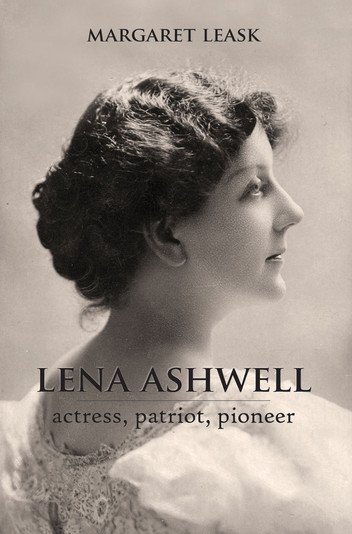
Description
Lena Ashwell: A Revolutionary Force in British Theatre and Wartime Entertainment
Lena Ashwell stands as one of Britain’s most remarkable theatrical figures. Moreover, her contributions extended far beyond the stage. She revolutionized entertainment for troops during World War I. Furthermore, she broke barriers for women in theatre management. This biography by Margaret Leask captures her extraordinary journey.
Early Life and Rise to Stardom
Born in 1872, Ashwell began her theatrical career in challenging circumstances. However, her talent quickly became evident. She trained at the Royal Academy of Dramatic Art. Additionally, she performed with leading theatre companies across London.
Her breakthrough came in the 1890s. Therefore, she gained recognition for powerful dramatic performances. Critics praised her emotional depth and stage presence. Moreover, audiences were captivated by her versatility. She excelled in both classical and contemporary roles.
Ashwell managed her own theatre company by 1907. Furthermore, she became one of few female actor-managers. This achievement was groundbreaking for the era. However, she faced significant gender-based obstacles. Nevertheless, her determination proved unstoppable.
Lena Ashwell’s Theatrical Innovations
Lena Ashwell championed accessible theatre for working-class audiences. Moreover, she believed art should reach everyone. She produced affordable performances in unconventional venues. Additionally, she toured productions to underserved communities. Her vision was truly democratic.
She introduced modern staging techniques to British theatre. Furthermore, she embraced naturalistic acting styles. Her productions featured innovative lighting and set designs. Therefore, she influenced countless theatre practitioners. Her artistic legacy remains significant today.
Ashwell also mentored emerging actors and directors. However, she particularly supported women in theatre. She created opportunities where few existed before. Moreover, she advocated for fair wages and working conditions. Her leadership transformed the industry.
The Great War and Concert Parties
Answering the Call to Serve
When World War I erupted in 1914, Ashwell responded immediately. Moreover, she recognized soldiers’ need for morale-boosting entertainment. Therefore, she organized concert parties for troops. This initiative became her most famous contribution. Additionally, it demonstrated her patriotic commitment.
She founded the Lena Ashwell Concert Parties organization. Furthermore, she recruited talented performers for the cause. These troupes traveled to military camps and hospitals. Moreover, they performed near the front lines. Their courage matched their artistic skill.
The concerts provided crucial psychological relief for soldiers. However, organizing them presented enormous logistical challenges. Ashwell personally managed scheduling, transportation, and funding. Additionally, she ensured performer safety. Her organizational abilities were exceptional.
Performances Under Fire
The concert parties performed in dangerous conditions. Moreover, they often worked within earshot of artillery. Performers risked their lives to entertain troops. Therefore, their dedication was extraordinary. Additionally, soldiers deeply appreciated their sacrifices.
Programs included diverse entertainment options:
- Classical music performances
- Popular songs and comedy sketches
- Dramatic readings and monologues
- Dance performances and variety acts
- Shakespeare excerpts and poetry recitations
Furthermore, performances adapted to available resources. Sometimes they occurred in makeshift venues. However, quality never suffered. Moreover, performers maintained professional standards throughout. Their commitment inspired everyone involved.
Ashwell’s concert parties reached over 2.5 million service members. Additionally, they performed thousands of shows. This achievement was unprecedented in scale. Moreover, it established entertainment as essential wartime support. Therefore, her model influenced future military entertainment programs.
Recognition and Wartime Honors
Official Acknowledgment
The British government recognized Ashwell’s contributions. Moreover, she received the Order of the British Empire. This honor acknowledged her patriotic service. Additionally, military leaders praised her organization’s impact. Furthermore, soldiers wrote countless grateful letters.
Her work demonstrated women’s capabilities during wartime. However, society still limited women’s roles. Nevertheless, Ashwell proved women could lead major initiatives. Moreover, she managed complex operations successfully. Therefore, she advanced women’s status significantly.
The concert parties continued throughout the war. Additionally, they expanded to multiple fronts. Ashwell coordinated operations across Europe. Furthermore, she maintained quality despite growing demands. Her leadership never wavered.
Personal Sacrifices
Ashwell made significant personal sacrifices for her work. Moreover, she invested her own money. The organization often operated at financial loss. However, she prioritized soldiers’ welfare above profit. Additionally, she worked exhausting hours.
She faced criticism from some theatrical colleagues. Furthermore, they questioned her wartime focus. However, she remained committed to her mission. Moreover, history vindicated her choices. Therefore, her reputation ultimately strengthened.
Her health suffered from the demanding schedule. Additionally, she experienced emotional strain. However, she continued until the war ended. Moreover, her resilience inspired others. Furthermore, she never complained publicly.
Post-War Career and Continued Innovation
Returning to Theatre Management
After the war, Ashwell resumed theatrical work. Moreover, she brought new perspectives. Her wartime experiences influenced her artistic choices. Additionally, she remained committed to accessible theatre. Furthermore, she continued advocating for social causes.
She established the Lena Ashwell Players in 1919. Moreover, this company toured extensively. They performed in factories, schools, and community centers. Additionally, they maintained affordable ticket prices. Therefore, they reached diverse audiences.
Her productions addressed contemporary social issues. Furthermore, she championed women’s rights through theatre. She produced plays featuring strong female characters. Moreover, she hired women in technical roles. Additionally, she mentored young female artists.
Educational Initiatives
Ashwell believed in theatre’s educational potential. Moreover, she developed programs for young people. She created workshops and training opportunities. Additionally, she wrote about theatrical techniques. Furthermore, she lectured at educational institutions.
She advocated for drama education in schools. However, this idea faced resistance. Nevertheless, she persisted in promoting it. Moreover, she demonstrated theatre’s pedagogical value. Therefore, she influenced educational policy.
Her teaching emphasized emotional authenticity and technical skill. Additionally, she stressed professional discipline. Furthermore, she encouraged artistic experimentation. However, she maintained high standards. Moreover, her students achieved notable success.
Legacy and Historical Significance
Impact on British Theatre
Lena Ashwell transformed British theatrical culture permanently. Moreover, her innovations became standard practices. She proved theatre could serve social purposes. Additionally, she demonstrated women’s leadership capabilities. Furthermore, she inspired subsequent generations.
Her accessible theatre model influenced community theatre movements. Moreover, organizations still follow her principles. She showed art could reach beyond elite audiences. Therefore, she democratized cultural participation. Additionally, her vision remains relevant today.
She paved the way for future female theatre leaders. However, progress remained slow after her era. Nevertheless, she established important precedents. Moreover, she proved women could manage major enterprises. Furthermore, her example encouraged others.
Recognition in Theatre History
Modern scholars increasingly recognize Ashwell’s contributions. Moreover, recent research has highlighted her achievements. Previously, historians often overlooked her work. However, contemporary perspectives appreciate her significance. Additionally, new biographies have appeared.
Margaret Leask’s book provides comprehensive documentation. Furthermore, it draws on extensive archival research. The biography reveals Ashwell’s complex personality. Moreover, it contextualizes her within broader history. Therefore, it offers valuable historical insights.
The book examines Ashwell’s artistic philosophy. Additionally, it analyzes her management strategies. Furthermore, it explores her personal relationships. However, it maintains scholarly objectivity. Moreover, it presents balanced assessments.
The Concert Parties’ Lasting Influence
Military Entertainment Programs
Ashwell’s concert parties established important precedents. Moreover, they influenced future military entertainment. Organizations like ENSA followed her model. Additionally, modern USO programs reflect her principles. Therefore, her innovation had lasting impact.
She demonstrated entertainment’s strategic value. Furthermore, she proved its effect on morale. Military planners recognized these lessons. Moreover, they incorporated entertainment into planning. Additionally, they allocated resources accordingly.
Her organizational methods became standard practice. However, she received insufficient credit initially. Nevertheless, historians now acknowledge her pioneering role. Moreover, military entertainment professionals study her work. Furthermore, they apply her principles today.
Cultural Memory and Commemoration
Britain has gradually recognized Ashwell’s wartime contributions. Moreover, commemorative efforts have increased recently. Historical markers acknowledge her concert parties. Additionally, exhibitions have featured her work. Furthermore, documentaries have told her story.
However, she deserves greater public recognition. Moreover, her achievements merit wider awareness. Therefore, continued advocacy is necessary. Additionally, educational programs should include her. Furthermore, her story inspires contemporary audiences.
The centenary of World War I renewed interest. Moreover, researchers discovered new archival materials. These findings enriched understanding of her work. Additionally, they revealed previously unknown details. Furthermore, they confirmed her extraordinary impact.
Personal Life and Character
Relationships and Family
Ashwell married actor Arthur Playfair in 1896. However, the marriage ended in divorce. Nevertheless, she maintained professional focus. Moreover, she prioritized her career. Additionally, she formed important friendships.
She cultivated relationships with influential figures. Furthermore, these connections supported her work. She corresponded with politicians and military leaders. Moreover, she networked effectively. Therefore, she secured necessary support.
Her personal papers reveal a complex individual. Additionally, they show her vulnerabilities. However, they also demonstrate her strength. Moreover, they illuminate her motivations. Furthermore, they provide intimate insights.
Character and Values
Colleagues described Ashwell as determined and principled. Moreover, she possessed strong convictions. She demanded excellence from herself and others. Additionally, she maintained high ethical standards. Furthermore, she inspired loyalty.
She combined artistic sensitivity with practical skills. However, she could be demanding. Nevertheless, people respected her integrity. Moreover, they admired her dedication. Therefore, she commanded genuine respect.
Her patriotism was deeply felt and genuine. Additionally, her social conscience guided her choices. Furthermore, she believed in service. However, she avoided self-promotion. Moreover, she focused on results.
Margaret Leask’s Biographical Approach
Research Methodology
Leask conducted extensive archival research for this biography. Moreover, she examined previously unexplored sources. She accessed personal correspondence and organizational records. Additionally, she interviewed descendants and colleagues. Furthermore, she consulted military archives.
The biography presents comprehensive documentation. However, it remains accessible to general readers. Moreover, Leask writes engagingly. Therefore, the book appeals broadly. Additionally, it satisfies scholarly standards.
Leask contextualizes Ashwell within her historical period. Furthermore, she analyzes social and cultural factors. She examines gender dynamics in theatre. Moreover, she explores wartime society. Additionally, she considers class issues.
Narrative Structure and Style
The biography follows chronological organization. Moreover, it divides into thematic sections. Each chapter focuses on specific periods. Additionally, chapters explore particular aspects. Furthermore, the structure aids comprehension.
Leask balances personal and professional material. However, she emphasizes Ashwell’s public contributions. Moreover, she respects privacy boundaries. Therefore, the approach seems appropriate. Additionally, it maintains reader interest.
The writing style is clear and direct. Furthermore, Leask avoids unnecessary jargon. She explains theatrical and military terminology. Moreover, she provides helpful context. Therefore, readers easily follow the narrative.
Critical Reception and Impact
Academic Response
Scholars have praised Leask’s thorough research. Moreover, they appreciate her balanced perspective. The biography fills important gaps. Additionally, it corrects previous misconceptions. Furthermore, it provides valuable documentation.
Theatre historians particularly value the book. However, military historians also find it useful. Moreover, gender studies scholars reference it. Therefore, it has interdisciplinary significance. Additionally, it contributes to multiple fields.
The biography has generated renewed academic interest. Furthermore, it has inspired additional research. Scholars are exploring related topics. Moreover, they are examining similar figures. Additionally, they are reassessing the period.
Public Reception
General readers have responded enthusiastically. Moreover, the book has reached wide audiences. Reviews have been overwhelmingly positive. Additionally, readers appreciate Ashwell’s story. Furthermore, they find inspiration in her achievements.
The biography has introduced Ashwell to new generations. However, many readers were previously unfamiliar. Nevertheless, they quickly become engaged. Moreover, they recognize her relevance. Therefore, the book succeeds in its mission.
Book clubs and reading groups have selected it. Additionally, educational institutions have adopted it. Furthermore, theatre companies have used it. Moreover, it has sparked discussions. Therefore, its impact extends beyond individual reading.
Themes and Insights
Women’s Leadership
The biography illuminates women’s leadership challenges. Moreover, it shows how Ashwell overcame obstacles. She navigated male-dominated environments successfully. Additionally, she earned respect through competence. Furthermore, she created opportunities for others.
Her example demonstrates effective leadership qualities:
- Clear vision and strategic thinking
- Strong organizational and management skills
- Ability to inspire and motivate others
- Resilience in facing opposition
- Commitment to ethical principles
- Willingness to take calculated risks
Therefore, her leadership model remains instructive. Moreover, it offers lessons for contemporary leaders. Additionally, it shows women’s historical contributions. Furthermore, it challenges gender stereotypes.
Art and Social Responsibility
Ashwell believed artists had social responsibilities. Moreover, she demonstrated this through action. She used theatre to serve communities. Additionally, she addressed social issues. Furthermore, she made art accessible.
Her approach balanced artistic quality with social purpose. However, she never compromised standards. Moreover, she proved these goals were compatible. Therefore, she refuted false dichotomies. Additionally, she inspired socially-engaged art.
This theme resonates with contemporary debates. Furthermore, it addresses ongoing questions. Artists still grapple with these issues. Moreover, Ashwell’s example provides guidance. Therefore, her philosophy remains relevant.
Patriotism and Service
The biography explores patriotism’s meaning and expression. Moreover, it examines service during crisis. Ashwell’s patriotism was active and practical. Additionally, it involved personal sacrifice. Furthermore, it transcended mere rhetoric.
Her service demonstrated citizenship’s responsibilities. However, it also showed individual agency. Moreover, it proved civilians’ wartime importance. Therefore, it broadened understanding of contribution. Additionally, it honored non-combatant service.
This theme has contemporary relevance. Furthermore, it addresses questions about civic duty. Modern readers can draw parallels. Moreover, they can reflect on their responsibilities. Therefore, the biography prompts important considerations.
Conclusion: A Life of Purpose and Achievement
Lena Ashwell’s life exemplifies dedication to art and service. Moreover, her achievements were extraordinary by any measure. She broke barriers for women in theatre. Additionally, she served her country with distinction. Furthermore, she left a lasting legacy.
Margaret Leask’s biography does justice to this remarkable woman. Moreover, it provides comprehensive documentation. The book rescues Ashwell from historical obscurity. Additionally, it establishes her rightful place. Furthermore, it inspires contemporary readers.
Ashwell’s story offers multiple lessons. However, perhaps most important is her commitment. Moreover, she demonstrated what determination achieves. She showed that individuals can make differences. Therefore, her example remains powerful. Additionally, it encourages action.
Her innovations in accessible theatre continue influencing practice. Furthermore, her concert party model shaped military entertainment. Her leadership advanced women’s opportunities. Moreover, her artistic contributions enriched British culture. Therefore, her impact was multifaceted.
This biography ensures Ashwell receives deserved recognition. Moreover, it provides resources for further research. It introduces her to new audiences. Additionally, it contextualizes her achievements. Furthermore, it celebrates her remarkable life.
Readers will find inspiration in Ashwell’s story. However, they will also gain historical understanding. Moreover, they will appreciate her era’s complexities. Therefore, the book serves multiple purposes. Additionally, it succeeds admirably.
Lena Ashwell deserves remembrance as actress, patriot, and pioneer. Moreover, Margaret Leask’s biography ensures this remembrance. The book stands as a fitting tribute. Additionally, it provides a definitive account. Furthermore, it honors an extraordinary woman’s legacy.





Reviews
There are no reviews yet.