

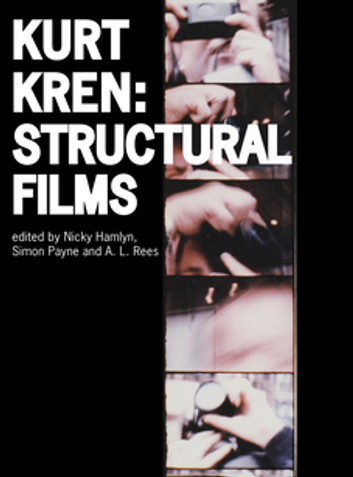
Description
Kurt Kren: Structural Films – A Comprehensive Synopsis of the Essential Guide to Avant-Garde Cinema
Introduction to Kurt Kren Structural Films
Kurt Kren’s structural films reshaped avant-garde cinema by redefining the possibilities of film form and editing. This e-book, edited by Nicky Hamlyn, Simon Payne, and A. L. Rees, positions Kren’s work at the center of the evolution of experimental film, offering crucial insights into his groundbreaking techniques and lasting impact from the 1950s to the 1990s.
Kren challenged the conventional narrative of filmmaking through radical editing. Furthermore, he created films that emphasized form over content. His work remains influential in contemporary experimental cinema today.
Understanding Structural Film Movement
The structural film movement, emerging in the 1960s, marked a radical shift. Filmmakers began focusing on film’s material properties, exploring duration, repetition, and projection mechanics.
Kurt Kren became a central figure in this movement with innovative techniques and collaborations with Viennese Actionist artists. His films often featured rapid editing and fragmented imagery.
The movement emphasized the viewing experience over traditional storytelling. Audiences encountered cinema in new ways, fundamentally changing film as an art form.
Kurt Kren’s Revolutionary Editing Techniques
Kren developed “metric montage,” editing frame by frame with mathematical precision. Each cut followed set patterns and rhythms.
His editing style created intense visual experiences, using rapid cuts that challenged perception and attention. Films often lasted only minutes but contained hundreds of shots.
Key Editing Innovations Include:
- Frame-by-frame precision cutting that created rhythmic patterns
- Mathematical structures determining shot length and sequence
- Integration of performance art footage with experimental techniques
- Extreme brevity with films often under five minutes long
- Repetition and variation to explore visual motifs
These techniques influenced generations of experimental filmmakers. They demonstrated new possibilities for cinematic expression.
The Book’s Structure and Content
The e-book provides a comprehensive analysis of Kurt Kren’s structural films through multiple perspectives. Editors Hamlyn, Payne, and Rees bring decades of expertise to this project. Consequently, readers gain a deep understanding of Kren’s artistic vision and methods.
The book includes detailed analyses of films and historical context. Additionally, it features essays from leading scholars in experimental cinema. Readers discover how Kren’s work fits within broader avant-garde movements.
Technical discussions explain Kren’s precise editing methodologies in an accessible language. Moreover, the book examines his collaborations with performance artists. It also explores the cultural context of 1960s Vienna.
Kren’s Collaboration with Viennese Actionists
Kurt Kren often worked with radical Vienna performance artists, producing his most provocative films. The Viennese Actionists pushed the boundaries of art and performance.
Kren documented their performances as they transformed footage through editing. Therefore, his films became artworks distinct from the original performances. He fragmented and restructured the material into new visual experiences.
These collaborations shocked audiences and challenged the era’s social conventions. Furthermore, they established Kren as a fearless artistic innovator. His work with Actionists remains controversial yet historically significant today.
Why This Book Matters for Film Students
This guide is an essential resource for cinema studies. Students gain insight into experimental filmmaking and alternatives to mainstream cinema.
The book makes complex theoretical concepts accessible to new readers. Additionally, it provides a practical analysis of specific films and techniques. This combination helps students understand both theory and practice.
Film scholars will appreciate the rigorous academic approach throughout the text. Furthermore, the multiple perspectives enrich the understanding of Kren’s legacy. The book fills a significant gap in the literature on experimental cinema.
Kren’s Lasting Influence on Contemporary Cinema
Kurt Kren’s structural films continue to influence filmmakers and video artists today. His techniques appear in music videos, art installations, and experimental works. Moreover, his emphasis on materiality resonates with digital-age creators.
Contemporary artists regularly reference Kren’s rapid editing and mathematical structures. Additionally, his work inspires those exploring cinema’s fundamental properties. Film festivals worldwide continue screening his influential short films.
The book demonstrates how Kren’s innovations remain relevant decades later, allowing new generations to discover his contributions. His legacy extends beyond the structural film movement.
Critical Reception and Historical Context
When Kren created his films, critics struggled to understand them. Gradually, his work gained recognition in avant-garde circles. Scholars now see him as a leading experimental filmmaker.
The book situates Kren’s work in postwar European art movements and explains his films’ responses to social change. Readers learn about cultural forces shaping his vision.
The book’s critical essays offer diverse interpretations of his work. Moreover, they demonstrate ongoing debates about the meanings of his films. This scholarly discourse enriches appreciation of Kren’s complex artistry.
Conclusion: An Essential Resource
“Kurt Kren: Structural Films” establishes itself as the definitive English-language analysis of a filmmaker whose innovations transformed both experimental cinema and film theory. The editors present a compelling examination that underscores the ongoing relevance of Kren’s methods and legacy to both new and established audiences.
The book balances theoretical analysis with practical film discussion and honors Kren’s legacy. Readers gain comprehensive knowledge of structural filmmaking principles.
This e-book belongs in every film student’s and scholar’s library. Moreover, it serves artists seeking inspiration from cinema’s experimental traditions. Kurt Kren’s structural films deserve this thorough, thoughtful examination and celebration.




Reviews
There are no reviews yet.