

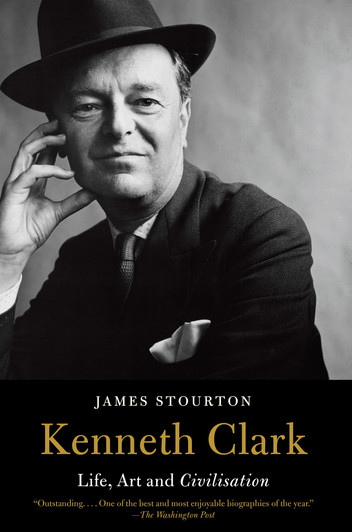
Description
Kenneth Clark: Life, Art and Civilisation – A Comprehensive Synopsis
Introduction: The Life of Kenneth Clark
Kenneth Clark stands as one of the twentieth century’s most influential art historians. His legacy transformed how millions understood art and culture. James Stourton’s biography captures this remarkable figure’s extraordinary journey. Moreover, the book reveals the man behind the public persona. Kenneth Clark’s impact on art appreciation remains unmatched even today.
This comprehensive biography explores Clark’s multifaceted career and personal life. Stourton meticulously researched archives, letters, and personal accounts. Furthermore, he interviewed those who knew Clark intimately. The result is a nuanced portrait of genius and complexity.
Early Life and Formative Years
Kenneth Clark was born in 1903 into considerable wealth and privilege. His parents were distant, leaving young Kenneth emotionally isolated. However, this solitude fostered his love for art and beauty. He found solace in museums and galleries from childhood.
Clark attended Winchester College and then Oxford University. His academic brilliance became evident early on. Additionally, he possessed remarkable visual memory and analytical skills. These talents would define his future career.
At Oxford, Clark studied under renowned art historian Charles Bell. This mentorship proved transformative for the young scholar. Subsequently, he traveled extensively throughout Europe studying masterpieces. Italy particularly captivated him with its Renaissance treasures.
Rise to Prominence in the Art World
After Oxford, Kenneth Clark quickly ascended the art establishment. He became the youngest-ever director of the National Gallery in 1934. At just thirty years old, he revolutionized the institution. Moreover, he made art accessible to ordinary British citizens.
Clark’s tenure at the National Gallery was groundbreaking. He introduced innovative exhibitions and educational programs. Furthermore, he protected Britain’s art treasures during World War II. The paintings were secretly moved to Welsh slate mines for safety.
His wartime efforts demonstrated both courage and foresight. Clark understood art’s importance to national morale and identity. Therefore, he worked tirelessly to preserve cultural heritage. His actions saved countless masterpieces from destruction.
The Civilisation Phenomenon
Kenneth Clark achieved worldwide fame through his 1969 BBC series “Civilisation.” The thirteen-part documentary explored Western art and culture. It became a cultural phenomenon, watched by millions globally. Additionally, it established Clark as television’s first art superstar.
“Civilisation” presented art history as an engaging narrative. Clark’s eloquent commentary made complex ideas accessible to everyone. However, the series also sparked controversy and debate. Some critics questioned his Eurocentric perspective and elitist assumptions.
Despite criticisms, the series’ impact was undeniable and lasting. It inspired countless people to visit museums and study art. Furthermore, it demonstrated television’s educational potential magnificently. Clark proved that intellectual content could captivate mass audiences.
Personal Life and Relationships
Stourton’s biography delves deeply into Kenneth Clark’s complex personal life. Clark married Jane Martin in 1927, beginning a turbulent partnership. Their relationship was marked by infidelities and emotional distance. Nevertheless, they remained married until Jane’s death in 1976.
Clark had numerous affairs throughout his marriage, causing considerable pain. His relationship with Janet Stone was particularly significant and enduring. However, he struggled with guilt over his romantic entanglements. These contradictions reveal his deeply conflicted nature.
The biography also explores Clark’s relationships with his children. He was often an absent and emotionally unavailable father. Consequently, his children experienced their own struggles and difficulties. Stourton handles these sensitive topics with compassion and honesty.
Kenneth Clark’s Scholarly Contributions
Beyond television, Kenneth Clark produced significant scholarly works throughout his career. His books on Leonardo da Vinci and Piero della Francesca remain influential. Moreover, “The Nude” is considered a masterpiece of art criticism. These works demonstrate his profound understanding of artistic technique and meaning.
Clark’s writing style was elegant, accessible, and deeply informed. He avoided academic jargon while maintaining intellectual rigor. Therefore, his books appealed to both scholars and general readers. This accessibility was revolutionary in art historical writing.
His approach emphasized visual analysis and aesthetic appreciation over theory. Clark believed art should be experienced emotionally and sensually. However, this approach sometimes drew criticism from more theoretical scholars. Nevertheless, his influence on art appreciation remains profound and widespread.
Key Accomplishments and Legacy
Kenneth Clark’s achievements span multiple domains and decades of work. Stourton’s biography catalogs these accomplishments comprehensively and admiringly. The following list highlights his most significant contributions:
Major Achievements:
- Youngest director of the National Gallery at age 30
- Saved Britain’s art collection during World War II
- Created the groundbreaking BBC series “Civilisation”
- Authored influential books on Renaissance art and aesthetics
- Championed modern artists like Henry Moore and Graham Sutherland
- Served as chairman of the Arts Council of Great Britain
- Received numerous honors including a life peerage in 1969
Each accomplishment demonstrated Clark’s vision, energy, and cultural influence. Furthermore, he used his privilege to advance public art education. His legacy continues inspiring new generations of art lovers today.
Controversies and Criticisms
Stourton doesn’t shy away from Kenneth Clark’s flaws and contradictions. The biography examines criticisms of his work and worldview honestly. Clark’s Eurocentric perspective in “Civilisation” drew significant scholarly criticism. Additionally, his elitist attitudes sometimes alienated potential allies and supporters.
His personal behavior, particularly regarding women, was often problematic. Clark’s affairs caused pain to his wife and family members. Moreover, his treatment of some female colleagues was dismissive and patronizing. These aspects complicate his legacy in important ways.
Clark also faced accusations of being too conservative in taste. He was skeptical of abstract expressionism and conceptual art movements. However, he did champion certain modernists he personally admired. His aesthetic judgments were sometimes inconsistent and contradictory.
The Biographer’s Approach
James Stourton brings unique qualifications to this biographical project admirably. He worked at Sotheby’s and deeply understands the art world. Furthermore, he had access to previously restricted Clark family archives. This access provides unprecedented insight into Clark’s private life.
Stourton’s writing is balanced, thorough, and remarkably fair-minded throughout. He admires Clark while acknowledging his significant flaws and limitations. Moreover, he contextualizes Clark within his historical and social milieu. This approach creates a three-dimensional portrait of a complex man.
The biography is meticulously researched with extensive footnotes and references. Stourton interviewed numerous people who knew Clark personally and professionally. Additionally, he consulted letters, diaries, and unpublished manuscripts extensively. The result is definitive and unlikely to be superseded soon.
Clark’s Views on Art and Beauty
Kenneth Clark held passionate beliefs about art’s purpose and meaning. He believed beauty was objective and could be rationally discussed. Furthermore, he thought great art elevated human consciousness and morality. These convictions drove his entire career and public advocacy.
Clark championed figurative art and traditional craftsmanship throughout his life. He valued technical skill, composition, and emotional resonance in artworks. However, he was suspicious of purely conceptual or abstract approaches. This conservatism limited his appreciation of contemporary avant-garde movements.
Despite these limitations, Clark’s aesthetic philosophy had considerable merit. He emphasized direct visual experience over theoretical interpretation exclusively. Moreover, he believed art should communicate across time and culture. His humanistic approach resonated with millions of ordinary people worldwide.
The Post-War Cultural Landscape
Stourton situates Kenneth Clark within Britain’s post-war cultural transformation effectively. The war had devastated Europe physically and psychologically profoundly. However, it also created opportunities for cultural democratization and renewal. Clark seized these opportunities with characteristic energy and vision.
He believed art could help rebuild civilization and restore meaning. Therefore, he worked tirelessly to make culture accessible to everyone. His efforts included exhibitions, publications, broadcasts, and public lectures regularly. Clark became Britain’s unofficial minister of culture during this period.
The Arts Council, which Clark chaired, distributed funding widely. It supported regional theaters, galleries, and music organizations throughout Britain. Additionally, it commissioned new works from contemporary artists and composers. This investment helped create a cultural renaissance in post-war Britain.
Wealth, Privilege, and Social Position
Kenneth Clark’s immense inherited wealth shaped his life and opportunities fundamentally. He never needed to work for financial security or survival. Consequently, he could pursue his passions without commercial constraints whatsoever. This privilege enabled his remarkable career but also limited perspective.
Clark moved in elite social circles throughout his entire life. He knew politicians, aristocrats, artists, and intellectuals intimately and personally. However, he had little contact with working-class or ordinary people. This isolation affected his understanding of broader social realities significantly.
Stourton examines how privilege both enabled and constrained Clark’s vision. His wealth allowed generous patronage of struggling artists he admired. Moreover, he could take professional risks others couldn’t afford financially. Yet his elitism sometimes made him seem out of touch.
Relationships with Artists
Kenneth Clark maintained close friendships with numerous important twentieth-century artists. He particularly championed Henry Moore, Graham Sutherland, and John Piper. Furthermore, he provided financial support and professional opportunities to them. These relationships were mutually beneficial and genuinely affectionate overall.
Clark’s patronage extended beyond mere financial support for these artists. He wrote about their work, organized exhibitions, and defended them publicly. Additionally, he commissioned works for his own collection enthusiastically. His support proved crucial during difficult periods in their careers.
However, these relationships weren’t without complications and occasional tensions. Clark’s strong opinions sometimes created friction with artist friends periodically. Moreover, his aesthetic preferences could be limiting and conservative occasionally. Nevertheless, his genuine love for art transcended these difficulties.
Later Years and Declining Influence
Kenneth Clark’s influence gradually waned during the 1970s and 1980s. New art historical approaches emphasized theory over aesthetic appreciation. Furthermore, his Eurocentric worldview seemed increasingly outdated and problematic. Younger scholars questioned his assumptions and methodological approaches fundamentally.
Clark struggled with these changes and felt increasingly marginalized professionally. He became somewhat bitter about contemporary art world developments. However, he continued writing and lecturing until his health declined. His dedication to art never wavered despite professional disappointments.
Jane’s death in 1976 devastated Clark emotionally and psychologically. He married Nolwen de Janzé-Rice shortly afterward, seeking companionship. Additionally, he received a life peerage, becoming Lord Clark officially. These late-life changes brought mixed blessings and new challenges.
Death and Enduring Legacy
Kenneth Clark died in 1983 at age seventy-nine after declining health. His death marked the end of an era in British culture. However, his influence continues resonating through multiple generations of art lovers. Moreover, “Civilisation” remains widely watched and studied even today.
Stourton’s biography ensures Clark’s complex legacy receives proper examination and recognition. It is neither hagiography nor hatchet job but balanced assessment instead. Furthermore, it reveals both the man’s greatness and his limitations. This honesty serves Clark’s memory better than uncritical praise would.
Clark’s greatest achievement was democratizing art appreciation for millions globally. He proved that intellectual content could be popular and accessible. Additionally, he demonstrated television’s potential as an educational medium. These contributions remain relevant in our contemporary digital age.
Critical Reception of Stourton’s Biography
“Kenneth Clark: Life, Art and Civilisation” received widespread critical acclaim. Reviewers praised Stourton’s thorough research and balanced perspective consistently. Moreover, they appreciated his elegant writing style and narrative skill. The biography was recognized as definitive and authoritative immediately.
Some critics noted the book’s considerable length and occasional density. At over 500 pages, it demands significant commitment from readers. However, most agreed the length was justified by the subject. Clark’s life was too rich and complex for superficial treatment.
The biography won several awards and appeared on numerous best-of lists. It introduced Kenneth Clark to new generations unfamiliar with his work. Furthermore, it prompted renewed interest in “Civilisation” and his writings. Stourton successfully revived appreciation for a somewhat forgotten cultural giant.
Relevance for Contemporary Readers
This biography offers valuable insights for today’s cultural debates and discussions. Questions about cultural hierarchy and accessibility remain contentious and unresolved. Moreover, debates about Eurocentrism in art history continue intensifying. Clark’s life illuminates these ongoing tensions and contradictions clearly.
His belief in objective beauty challenges contemporary relativistic approaches significantly. Yet his elitism and blind spots demonstrate the dangers of uncritical traditionalism. Therefore, Clark’s legacy prompts important questions about art’s purpose today. These questions lack easy answers but demand serious consideration nonetheless.
Stourton’s biography encourages readers to engage with these complexities thoughtfully. It neither dismisses Clark as outdated nor accepts him uncritically. Instead, it presents a nuanced portrait requiring active reader engagement. This approach makes the biography intellectually stimulating and rewarding throughout.
Conclusion: A Life Examined
James Stourton’s “Kenneth Clark: Life, Art and Civilisation” is essential reading. It comprehensively examines one of the twentieth century’s most influential figures. Moreover, it illuminates broader questions about art, culture, and society. The biography succeeds as both scholarship and compelling narrative simultaneously.
Kenneth Clark’s life was marked by extraordinary achievement and personal contradiction. He democratized art while remaining fundamentally elitist in outlook and behavior. Furthermore, he championed beauty while living with considerable moral compromise. These paradoxes make him endlessly fascinating and relevant still today.
Stourton has written the definitive biography of this complex, brilliant man. It will remain the standard reference for decades to come. Additionally, it demonstrates biography’s power to illuminate both individual and era. Anyone interested in art, culture, or twentieth-century Britain should read it.
The book reminds us that great cultural figures are fully human. They possess flaws, contradictions, and limitations alongside their genius and vision. However, their contributions can transcend these personal failings significantly. Kenneth Clark’s legacy, despite its problems, enriched millions of lives immeasurably.



Reviews
There are no reviews yet.