

Description
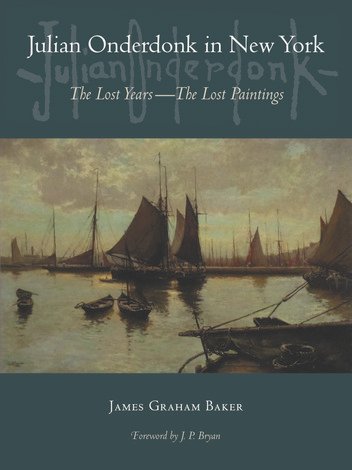
Julian Onderdonk in New York: The Lost Years, the Lost Paintings
Julian Onderdonk remains one of Texas’s most celebrated landscape painters from the early twentieth century. This groundbreaking book by James Graham Baker uncovers a mysterious period in his life. Moreover, it reveals lost paintings from his time in New York City. The artist’s New York years have puzzled art historians for decades until now.
Baker’s meticulous research illuminates Onderdonk’s artistic development during this crucial period. Furthermore, the book documents previously unknown works created during his time in New York. These discoveries significantly change our understanding of his career and artistic evolution. Therefore, this volume represents a major contribution to scholarship on American art history.
The “lost years” refer to a poorly documented phase of Onderdonk’s career. During this time, he studied and worked in New York’s vibrant art scene. However, many paintings from this period disappeared or remained unidentified for generations. Baker’s detective work has recovered and authenticated numerous lost masterpieces from this era.
This book combines art historical scholarship with investigative research compellingly and thoroughly. It presents new biographical information alongside stunning reproductions of recovered paintings beautifully. Additionally, it explores how New York permanently influenced Onderdonk’s distinctive artistic style. Readers finally discover a more complete picture of this important American artist.
Early Life and Artistic Training of Julian Onderdonk
Julian Onderdonk was born in San Antonio, Texas, in 1882 to an artistic family. His father, Robert Jenkins Onderdonk, was an accomplished painter and art teacher. Moreover, the elder Onderdonk provided his son’s first art instruction at home. This early training laid the foundation for Julian’s future artistic career.
The young artist showed exceptional talent from childhood and pursued it eagerly. He studied under his father’s guidance and absorbed lessons about landscape painting. Furthermore, he developed a deep appreciation for Texas’s natural beauty and light. These early experiences shaped his artistic vision throughout his entire life.
Onderdonk attended the West Texas Military Academy during his teenage years. There, he diligently continued developing his artistic skills alongside his academic studies. Additionally, he regularly created sketches and paintings of the Texas landscape. His talent became increasingly evident to family, teachers, and local art patrons.
By his late teens, Onderdonk had outgrown local instruction and opportunities. He needed advanced training to fully develop his abilities professionally. Therefore, his family decided to send him to New York City. This decision would prove crucial to his artistic development and career.
Julian Onderdonk’s Journey to New York City
Onderdonk arrived in New York City around 1901 as a young artist. The city represented America’s artistic capital and offered unparalleled educational opportunities then. Moreover, it attracted talented artists from across the nation and world. New York’s vibrant art scene promised to transform his provincial training significantly.
He enrolled at the Art Students League, one of America’s premier art schools. There, he studied under William Merritt Chase, a renowned American Impressionist painter. Furthermore, Chase’s teaching consistently emphasized direct observation and bold brushwork. This instruction profoundly influenced Onderdonk’s developing style and artistic approach permanently.
The Art Students League provided rigorous training in drawing, painting, and composition. Students worked from live models and regularly studied masterworks in museums. Additionally, they frequently received critiques from accomplished professional artists and instructors. This intensive education dramatically refined Onderdonk’s technical skills and artistic understanding.
New York exposed him directly to contemporary art movements and European influences. He constantly and eagerly visited galleries, museums, and exhibitions throughout the city. However, he remained committed to landscape painting rather than following avant-garde trends. His artistic vision stayed focused on capturing natural beauty through Impressionist techniques.
The New York Art Scene During Julian Onderdonk’s Time
New York’s art world flourished during the early 1900s with remarkable energy. American Impressionism dominated landscape painting and attracted numerous talented practitioners enthusiastically. Moreover, galleries and collectors actively supported artists working in this popular style. The movement offered opportunities for young painters like Onderdonk to succeed.
The city’s museums provided access to European masterworks and contemporary American art. Onderdonk regularly studied paintings by French Impressionists at the Metropolitan Museum. Furthermore, he examined works by American masters like Winslow Homer and John Singer Sargent. These experiences broadened his artistic knowledge and significantly refined his aesthetic sensibilities.
Art colonies and artist communities thrived in and around New York at the time. Many painters gathered in places like Old Lyme, Connecticut, during the summer months. Additionally, they shared techniques, critiqued each other’s work, and exhibited together frequently. These communities fostered artistic growth and professional networking among emerging artists.
The commercial art market in New York expanded rapidly during this period. Galleries sold paintings to wealthy collectors and middle-class buyers increasingly and successfully. However, competition among artists was fierce and required talent plus business acumen. Onderdonk navigated this challenging environment while developing his distinctive artistic voice.
Julian Onderdonk’s Artistic Style and Development
Julian Onderdonk developed a distinctive Impressionist style during his years in New York. He mastered techniques of broken color and loose brushwork characteristic of the movement. Moreover, he learned to capture the effects of light and atmosphere with sensitivity. His paintings demonstrated technical skill combined with genuine artistic vision and feeling.
He specialized in landscape painting and showed little interest in other subjects. His canvases depicted natural scenes with vibrant colors and luminous light effects. Furthermore, he paid close attention to the sky, clouds, and atmospheric conditions. These elements became hallmarks of his mature style and artistic identity.
Onderdonk’s palette featured bright, pure colors applied boldly with confident brushstrokes. He avoided muddy tones and created paintings with remarkable clarity and freshness. Additionally, he composed scenes with strong design sense and balanced arrangements. His work successfully combined spontaneity with careful planning and artistic control.
His New York paintings differed somewhat from his later Texas bluebonnet landscapes. They depicted northeastern scenery, including coastal views and rural countryside scenes. However, they showed the same attention to light and color that characterized his work. These paintings reveal his artistic development during this crucial formative period.
The Mystery of the Lost Years
The period Onderdonk spent in New York has remained poorly documented for decades. Art historians knew he studied there but lacked detailed information about his activities. Moreover, a few paintings from this era were identified or attributed to him. This knowledge gap created frustration among scholars studying his career.
Several factors contributed to this mysterious period in Onderdonk’s biography and artistic record. He didn’t exhibit widely in New York or gain significant recognition there initially. Furthermore, many of his New York paintings were sold to private collectors. These works disappeared into collections and lost their connection to the artist.
Onderdonk returned to Texas around 1909 and subsequently established his reputation there. His Texas bluebonnet paintings brought him regional fame and commercial success. However, his New York period faded from memory as his Texas identity strengthened. Consequently, scholars focused on his Texas work and overlooked his earlier development.
Documentation from this period was scarce and scattered across various archives, frustratingly. Personal letters, exhibition records, and contemporary reviews were difficult to locate and access. Additionally, Onderdonk himself rarely discussed his New York years in later life. This silence deepened the mystery surrounding this crucial phase of his career.
James Graham Baker’s Research and Investigation
James Graham Baker undertook extensive research to uncover Onderdonk’s lost years in New York. He systematically and thoroughly examined archives, libraries, and museum collections across multiple states. Moreover, he tracked down descendants of collectors who might own unknown paintings. This detective work required patience, persistence, and scholarly expertise over many years.
Baker discovered previously unknown letters, photographs, and documents about Onderdonk’s New York period. These materials provided crucial biographical information and filled gaps in the historical record. Furthermore, they revealed details about his studies, friendships, and artistic activities at the time. Each discovery added pieces to the puzzle of his lost years.
He also investigated unsigned or misattributed paintings that might be Onderdonk’s work. Baker developed expertise in carefully recognizing the artist’s distinctive style and technique. Additionally, he used scientific analysis and provenance research to authenticate questionable works. This rigorous methodology ensured that attributions were accurate and defensible scholarly.
The author interviewed collectors, dealers, and descendants of people who knew Onderdonk. These conversations yielded valuable information and sometimes led to the discovery of lost paintings. Moreover, they provided personal insights into the artist’s character and working methods. Baker’s comprehensive approach combined traditional scholarship with investigative journalism effectively and successfully.
Discovery and Recovery of Lost Julian Onderdonk Paintings
Baker’s research led to the remarkable identification of numerous lost Onderdonk paintings. These works had been hidden in private collections or misattributed to other artists. Moreover, some had been stored in attics or basements for generations, forgotten. Each discovery added to our understanding of his artistic development and achievement.
Many recovered paintings depicted New York and New England landscapes with beautiful skill. They depicted coastal scenes, rural landscapes, and seasonal variations in Impressionist style. Furthermore, they consistently demonstrated Onderdonk’s mastery of light, color, and atmospheric effects. These works proved his talent was evident even during his student years.
Some paintings bear signatures or inscriptions that definitively confirm Onderdonk’s authorship. Others required careful stylistic analysis and comparison with documented works for attribution. Additionally, provenance research traced ownership histories back to the artist when possible. This multi-faceted approach ensured accurate identification of authentic Onderdonk paintings.
The recovered works revealed previously unknown aspects of his artistic range and interests. He painted seascapes, snow scenes, and autumn landscapes during his New York period. However, these subjects disappeared from his work after returning to Texas permanently. The lost paintings show a broader artistic vision than his later reputation suggested.
Notable Recovered Julian Onderdonk Paintings from New York
Baker’s research uncovered these significant works from Onderdonk’s New York period:
- Coastal Scene with Rocks: Impressionist seascape showing his mastery of water and light
- Autumn in Connecticut: Vibrant fall landscape with brilliant foliage colors
- Winter Landscape: Rare snow scene demonstrating his versatility with subjects
- Harbor View: Maritime painting showing boats and atmospheric effects
- Country Road: Rural landscape with characteristic loose brushwork and luminous sky
- Sunset Over Water: Dramatic coastal scene with spectacular light effects
Each painting demonstrates his technical skill and artistic sensitivity during this formative period. Moreover, they reveal influences from his teachers and the New York art scene. Therefore, these recovered works are invaluable for understanding his complete artistic development.
Artistic Influences on Julian Onderdonk in New York
William Merritt Chase exerted a significant influence on Onderdonk’s developing style. Chase taught direct painting from nature with bold, confident brushwork and technique. Moreover, he emphasized capturing immediate visual impressions rather than labored studio work. This approach shaped Onderdonk’s method of working throughout his entire career.
Chase’s own Impressionist paintings provided models for his students to study and emulate. His landscapes consistently featured vibrant colors, loose brushwork, and strong compositional design. Furthermore, he encouraged students to develop individual voices rather than merely copying. Onderdonk absorbed these lessons and applied them to his own artistic vision.
French Impressionism influenced Onderdonk through museum visits and reproductions he studied carefully. He admired Claude Monet’s treatment of light and atmospheric effects, particularly and deeply. Additionally, he studied how Impressionists used broken color to create luminous surfaces. These techniques became permanently fundamental to his painting practice.
American Impressionists working in New York also notably influenced his artistic development. He encountered works by Childe Hassam, John Twachtman, and other prominent painters regularly. However, he developed his own distinctive approach rather than imitating established masters. His style combined learned techniques with a personal vision and uniquely Texas sensibilities.
The Transition from New York to Texas
Onderdonk returned to Texas around 1909 after completing his training in New York. Economic factors and family considerations influenced his decision to leave New York at that time. Moreover, he saw opportunities to establish himself in Texas’s growing art market. The state offered less competition and a distinctive regional subject matter.
His return marked a significant shift in his subject matter and artistic focus. He began painting Texas landscapes, particularly bluebonnet fields in the spring, regularly. Furthermore, these paintings captured the state’s unique light and natural beauty distinctively. They would eventually become his most famous and commercially successful works.
The transition from New York to Texas wasn’t entirely smooth or immediate initially. He maintained connections with the New York art world for several years. Additionally, he continued using the techniques and approaches he had learned during his training there. His Texas paintings reflected his New York education while depicting regional subjects.
Onderdonk established a studio in San Antonio and began exhibiting his work locally. He quickly gained recognition as Texas’s leading landscape painter among collectors and critics. Moreover, his bluebonnet paintings became enormously popular with Texas residents and visitors. This success established his reputation but, unfortunately, overshadowed his New York period.
Julian Onderdonk’s Bluebonnet Paintings and Texas Legacy
Onderdonk became famous for his paintings of Texas bluebonnets in spring bloom. These works captured the state’s iconic wildflowers with Impressionist techniques and sensitivity. Moreover, they strongly appealed to Texans’ pride in their state’s natural beauty. His bluebonnet paintings became his signature works and remain highly collectible today.
He painted bluebonnet fields with the same attention to light and atmosphere learned in New York. The paintings featured vibrant blues and purples against green foliage and golden light. Furthermore, they consistently demonstrated their mastery of color relationships and compositional design. These works represented the culmination of his artistic training and vision.
Onderdonk’s Texas paintings brought him commercial success and regional fame during his lifetime. Collectors eagerly purchased his bluebonnet scenes and frequently commissioned similar works. Additionally, he toured throughout Texas and received consistently positive reviews from critics. His reputation as “the Bluebonnet Painter” became firmly established by the 1910s.
However, this success created a narrow perception of his artistic range and achievement. People associated him exclusively with Texas subjects and overlooked his broader training. Moreover, his New York period and lost paintings remained unknown to most admirers. Baker’s book corrects this limited understanding and reveals his complete artistic development.
Technical Analysis of Julian Onderdonk’s Painting Methods
Onderdonk consistently employed classic Impressionist techniques learned from Chase and other teachers. He worked primarily outdoors, painting directly from nature whenever possible and practical. Moreover, he used broken color and loose brushwork to capture light effects. These methods produced paintings that were fresh and immediate, appealing to viewers.
His palette consisted of bright, pure colors, typically applied without excessive mixing. He placed complementary colors side by side to create vibrant optical effects. Furthermore, he used thick paint application in some areas and thin washes elsewhere. This varied handling created textural interest and enhanced the paintings’ visual impact.
Onderdonk carefully prepared his canvases before beginning to paint. He often used a toned ground that influenced the final color harmony. Additionally, he sketched compositions lightly before applying paint in most cases. This preparation ensured a strong design while maintaining spontaneity and appearance.
His brushwork varied from bold, visible strokes to more refined passages strategically. He used larger brushes for skies and backgrounds and smaller ones for details. Moreover, he applied paint with confidence and avoided overworking surfaces excessively or unnecessarily. This technical approach created paintings that appeared effortless despite careful planning and skill.
The Significance of Recovering Lost Artworks
Baker’s recovery of lost Onderdonk paintings has important implications for art history. These works fill gaps in our understanding of his artistic development and career. Moreover, they reveal previously unknown aspects of his range and abilities as a painter. Each recovered painting adds valuable information to the historical record permanently.
The lost paintings demonstrate that Onderdonk was more versatile than previously recognized. He successfully painted subjects beyond Texas bluebonnets during his years in New York. Furthermore, he mastered various landscape types, including seascapes and winter scenes. This broader range enhances his reputation as a skilled American Impressionist painter.
Recovering lost artworks also has economic implications for collectors and the art market. Authenticated Onderdonk paintings currently command significant prices at auction and in galleries. Additionally, newly discovered works substantially expand the known body of his work. This expanded catalogue benefits scholars, collectors, and institutions that own his paintings.
The book’s documentation of lost paintings prevents future misattributions and confusion about authorship. Baker’s research establishes clear criteria for identifying authentic Onderdonk works from this period. Moreover, it provides provenance information that accurately tracks paintings’ ownership histories. This scholarship protects the artist’s legacy and assists future researchers and collectors.
Julian Onderdonk’s Place in American Art History
Julian Onderdonk occupies an important position in the development of American Impressionism. He brought sophisticated techniques learned in New York to Texas’s art scene. Moreover, he demonstrated that regional subjects could be treated with cosmopolitan artistic approaches. His work bridges American Impressionism’s national movement and Texas’s regional art traditions.
He represents a generation of American artists who studied in major art centers. They then returned to their home regions and established local art communities there. Furthermore, they adapted national and international styles to regional subjects and sensibilities. Onderdonk’s career exemplifies this pattern of artistic development and cultural exchange.
His paintings document Texas’s landscape during a period of significant change and development. They preserve images of the state’s natural beauty before extensive urbanization occurred. Additionally, they reflect early twentieth-century Americans’ appreciation for their nation’s diverse landscapes. These works have historical value beyond their purely artistic merit and beauty.
Onderdonk’s influence on subsequent Texas artists has been substantial and long-lasting regionally. He established landscape painting as a serious artistic pursuit in the state. Moreover, his success inspired younger artists to pursue professional careers in art. His legacy continues to shape Texas’s art community and cultural identity even today.
Challenges in Researching Julian Onderdonk’s Lost Years
Baker faced numerous obstacles while researching Onderdonk’s New York period and lost paintings. Many relevant documents had been lost, destroyed, or scattered over the decades. Moreover, people who knew the artist personally had died long before research began. This lack of primary sources made it extremely difficult to reconstruct his activities.
Tracking down paintings required patient detective work across multiple states and private collections. Many works had changed hands numerous times since Onderdonk created them originally. Furthermore, some had been misattributed to other artists or listed as “unknown artist.” Baker had to examine countless paintings to identify authentic Onderdonk works carefully.
Authenticating unsigned or questionable paintings presented significant challenges requiring expertise and judgment. Stylistic analysis alone couldn’t always provide definitive answers about authorship conclusively or certainly. Additionally, scientific testing was expensive and not always available for every painting. Baker had to weigh multiple types of evidence before making attribution decisions.
Limited funding and resources significantly constrained the scope and pace of research. Travel to examine paintings and archives required time and money that wasn’t always available. However, Baker’s dedication to the project sustained the work over many years. His persistence ultimately yielded remarkable discoveries that justified the effort and challenges.
The Book’s Contribution to Art Historical Scholarship
Baker’s book represents a major contribution to American Impressionism scholarship and Texas art history. It recovers a lost chapter in an important artist’s career through meticulous research. Moreover, it demonstrates how careful investigation can uncover forgotten aspects of art history. The book serves as a model for similar research projects on other artists.
The volume combines rigorous scholarship with accessible writing that appeals to general readers. Baker presents complex art-historical arguments clearly, without oversimplifying them unnecessarily or inappropriately. Furthermore, he includes beautiful reproductions that allow readers to appreciate the paintings visually. This combination makes the book valuable for scholars and art enthusiasts alike.
The book’s documentation of lost paintings creates a permanent record for future researchers. It includes detailed information about each work’s size, medium, provenance, and current location. Additionally, it provides high-quality photographs that allow for future study and comparison. This thorough documentation ensures the research’s lasting value and utility for others.
Baker’s work potentially encourages further research into other artists’ lost or forgotten periods. It surprisingly demonstrates that significant discoveries remain possible even for well-studied artists. Moreover, it underscores the importance of examining private collections and systematically questioning attributions. The book may inspire similar investigations that expand our understanding of art history.
Julian Onderdonk’s Artistic Legacy and Continuing Influence
Onderdonk’s paintings continue attracting collectors and admirers more than a century after their creation. His bluebonnet paintings remain iconic images of Texas’s natural beauty and cultural identity. Moreover, his work appears in major museums and private collections throughout the state. His reputation as Texas’s premier landscape painter remains secure and celebrated widely.
The recovery of his lost New York paintings enhances his reputation beyond regional boundaries. These works demonstrate his abilities within the broader context of American Impressionism nationally. Furthermore, they showcase his training and development alongside those of other important American artists. This expanded understanding significantly elevates his position in American art history.
Contemporary Texas artists continue drawing inspiration from Onderdonk’s landscape paintings and artistic example. His treatment of light and color influences painters working in various styles. Additionally, his success as a regional artist provides a model for others. His legacy shapes Texas’s artistic culture and encourages appreciation for the state’s landscapes.
Museums and galleries regularly exhibit Onderdonk’s work to enthusiastic audiences throughout Texas. His paintings attract visitors and generate interest in American Impressionism and regional art. Moreover, educational programs use his work to teach about art history and techniques. This ongoing engagement ensures his legacy remains vital and relevant to new generations.
Preservation and Conservation of Julian Onderdonk’s Works
Many Onderdonk paintings require conservation treatment due to age and previous handling or storage. Unfortunately, paint surfaces may have darkened, cracked, or deteriorated over time. Moreover, some works were historically damaged by improper framing or environmental conditions. Conservation efforts help preserve these important artworks for future generations to appreciate.
Professional conservators use scientific methods to carefully clean and stabilize Onderdonk’s paintings. They remove discolored varnish and accumulated dirt without damaging original paint layers. Furthermore, they repair tears, fill losses, and address structural problems in canvases. These treatments restore paintings’ appearance while respecting the artist’s original intent and materials.
Proper storage and display conditions are essential for preserving Onderdonk’s works in the long term. Paintings should be protected from excessive light, humidity fluctuations, and temperature extremes. Additionally, they require appropriate framing with archival materials and, when necessary, UV-filtered glazing. These precautions prevent further deterioration and significantly extend the paintings’ lifespan.
Documentation of conservation treatments creates important records for future reference and research purposes. Conservators thoroughly and systematically photograph paintings before, during, and after treatment. Moreover, they record the materials and techniques used in conservation work in detail and with precision. This documentation helps future conservators and provides valuable information for art historians.
The Market for Julian Onderdonk Paintings Today
Onderdonk’s paintings consistently and reliably command strong prices in today’s art market. His bluebonnet paintings are particularly sought after by Texas collectors and institutions. Moreover, auction records show a significant steady appreciation in values over recent decades. His work represents a sound investment as well as aesthetic pleasure for collectors.
The discovery of lost New York paintings has expanded the available body of work. These newly identified paintings offer collectors opportunities to acquire previously unknown Onderdonk works. Furthermore, they appeal to collectors interested in American Impressionism beyond regional subjects. This expanded market increases overall interest in the artist’s work beneficially.
Authentication remains crucial in the Onderdonk market due to its popularity and value. Baker’s research provides important tools for accurately identifying genuine works from this period. Additionally, his documentation reliably establishes the provenance and exhibition history of paintings. Unfortunately, this scholarship protects collectors from purchasing misattributed or fraudulent works.
Major auction houses and galleries regularly offer Onderdonk paintings to eager buyers nationwide. His work appears in important sales of American art and Texas regional art. Moreover, museums continue to acquire his paintings for their permanent collections when opportunities arise. This active market reflects sustained interest in his artistic achievement and legacy.
Conclusion: Rediscovering Julian Onderdonk’s Complete Artistic Journey
James Graham Baker’s groundbreaking research has completely transformed our understanding of Julian Onderdonk’s career. The book recovers the artist’s lost New York years and identifies numerous works that were lost. Moreover, it reveals a more complex and accomplished artist than previously recognized. This scholarship enriches American art history and appropriately and thoroughly honors Onderdonk’s memory.
The lost paintings demonstrate Onderdonk’s versatility and mastery of Impressionist techniques during his training. They show his development from student to accomplished professional painter over several years. Furthermore, they provide context for understanding his later Texas bluebonnet paintings more fully. These works are essential for appreciating his complete artistic achievement and contribution.
Baker’s detective work exemplifies the best traditions of art historical scholarship and research. His patient investigation uncovered information and artworks that seemed lost forever to history. Additionally, his thorough documentation ensures that future researchers can build on his discoveries. The book stands as a lasting contribution to our knowledge of American art.
Julian Onderdonk emerges from this study as a significant American Impressionist painter nationally. His work deserves recognition beyond Texas’s borders for its quality and artistic merit. Moreover, his story illustrates the complex paths artists followed in early twentieth-century America. This book ensures that his complete legacy will be remembered and celebrated appropriately.
The recovery of Onderdonk’s lost years and lost paintings enriches our cultural heritage. These artworks meaningfully provide beauty, historical insight, and connection to America’s artistic past. Furthermore, they remind us that important discoveries are still possible in art history. Baker’s book inspires continued research and appreciation of American art and its practitioners.


Reviews
There are no reviews yet.