

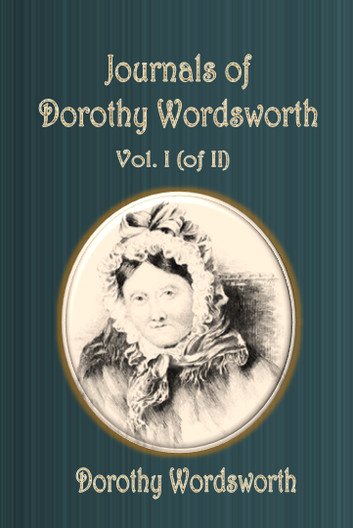
Description
Dorothy Wordsworth Journals: An Intimate Portrait of Romantic England
Discover a Literary Treasure from the Romantic Era
The Dorothy Wordsworth journals offer an extraordinary window into early nineteenth-century England. This first volume (ISBN: 1230000138028) presents Dorothy’s remarkable observations from 1798 to 1803. Moreover, these writings capture the essence of the Romantic period through vivid prose. Dorothy Wordsworth, sister of poet William Wordsworth, documented daily life with exceptional literary skill.
Her journals reveal the world that inspired some of English literature’s greatest poetry. Furthermore, they stand as significant literary works in their own right. Readers discover detailed accounts of nature, domestic life, and intellectual society. Therefore, these journals provide invaluable historical and cultural documentation.
The Dorothy Wordsworth Journals: Origins and Historical Context
Dorothy began her journal writing in January 1798 at Alfoxden, Somerset. She lived there with her brother William and their friend Samuel Taylor Coleridge. Additionally, this period marked the birth of English Romantic poetry. The three friends collaborated closely on revolutionary literary projects.
The Alfoxden Journal captures this extraordinary creative moment in British literature. Dorothy recorded daily walks, weather observations, and natural phenomena with meticulous attention. Moreover, she documented the social interactions that shaped Romantic literary theory. Her entries reveal the intellectual ferment of this transformative period.
Financial constraints forced the Wordsworths to leave Alfoxden in June 1798. Subsequently, Dorothy and William traveled to Germany for several months. They returned to England in 1799 seeking a permanent home. Meanwhile, Dorothy continued observing and recording her experiences with characteristic precision.
The siblings eventually settled in Grasmere, in England’s Lake District. This move proved transformative for both Dorothy’s writing and William’s poetry. Furthermore, the stunning natural landscape provided endless inspiration for creative work. Consequently, the Grasmere Journal represents the foundation of her literary achievement.
Life at Dove Cottage and the Grasmere Journals
In December 1799, Dorothy and William settled at Dove Cottage in Grasmere. This modest dwelling became their home for the next eight years. Moreover, it served as the creative center for English Romantic poetry. Dorothy began her Grasmere Journal in May 1800, documenting their daily existence.
The Grasmere Journal spans from 1800 to 1803 with remarkable consistency. Dorothy wrote nearly every day, recording weather, walks, visitors, and household activities. Additionally, she captured the changing seasons with extraordinary sensory detail. Her observations provided William with material for numerous celebrated poems.
Life at Dove Cottage followed simple but fulfilling patterns and routines. Dorothy managed household duties while pursuing her own writing and reading. Furthermore, she accompanied William on long walks through the surrounding countryside. These excursions became essential to both their creative processes and emotional wellbeing.
The cottage attracted a steady stream of literary visitors and friends. Samuel Taylor Coleridge visited frequently, engaging in intense philosophical discussions. Additionally, other poets, writers, and intellectuals sought out the Wordsworths’ company. Therefore, Dorothy’s journals document a vibrant intellectual community in rural England.
Dorothy’s Unique Literary Voice and Style
Dorothy Wordsworth journals showcase a distinctive prose style characterized by immediacy and precision. She wrote in present tense, creating vivid sense of experiencing events firsthand. Moreover, her descriptions combine objective observation with subjective emotional response. This technique produces writing that feels both accurate and deeply personal.
Her sentences flow with natural rhythm that mirrors the landscapes she describes. Furthermore, she employed specific, concrete details rather than abstract generalizations. This approach gives her writing remarkable clarity and visual power. Consequently, readers feel transported directly into the scenes she portrays.
Dorothy possessed exceptional ability to capture fleeting moments and subtle atmospheric changes. She noticed details that others overlooked in their everyday surroundings. Additionally, she recorded these observations with economy and grace of expression. Her prose demonstrates that great writing requires both keen perception and disciplined craft.
Modern readers often comment on the journals’ accessible, conversational quality. Despite their historical distance, Dorothy’s voice sounds remarkably contemporary and engaging. Furthermore, her honest emotional expression creates intimate connection with readers. Therefore, these journals feel remarkably modern despite their historical distance.
The Dorothy Wordsworth Journals: Nature and Landscape Observations
Dorothy’s nature descriptions represent the journals’ most celebrated and influential passages. She recorded seasonal changes, weather patterns, and plant life with scientific precision. Moreover, she captured the emotional and spiritual dimensions of natural beauty. Her writing reveals nature as both physical reality and source of transcendent experience.
The Lake District landscape provided endless material for Dorothy’s observational powers. She described mountains, lakes, valleys, and woodlands in extraordinary detail. Additionally, she noted how light, weather, and season transformed familiar scenes. These descriptions influenced William’s poetry profoundly and shaped Romantic nature writing generally.
Dorothy paid particular attention to flowers, birds, and other living creatures. She recorded their appearances, behaviors, and seasonal patterns with naturalist’s precision. Furthermore, she expressed genuine affection and wonder at natural phenomena. This combination of scientific observation and emotional engagement characterizes her finest writing.
Her walking tours extended her geographical range and descriptive repertoire significantly. Dorothy and William undertook ambitious journeys throughout England and Scotland. Additionally, they explored remote areas rarely visited by their contemporaries. These tours became essential to both their creative processes.
Domestic Life and Daily Routines
Beyond nature observations, Dorothy chronicled the practical aspects of household management. She recorded cooking, cleaning, gardening, and other domestic responsibilities with matter-of-fact directness. Moreover, these passages reveal the physical labor required for comfortable existence. Her accounts provide valuable historical documentation of early nineteenth-century domestic life.
The journals describe meals, visitors, correspondence, and reading with equal attention. Dorothy noted what they ate, who visited, and which books occupied their evenings. Furthermore, she recorded the constant financial concerns that shaped their decisions. These details create comprehensive portrait of their daily existence and priorities.
Dorothy’s domestic descriptions never suggest drudgery or resentment toward household duties. Instead, she integrated these tasks naturally into her broader life narrative. Additionally, she found beauty and interest in ordinary domestic moments. Therefore, her passages offer unique insights into Romantic-era domestic life.
The journals reveal how Dorothy balanced household responsibilities with intellectual pursuits. She read extensively in multiple languages and engaged with contemporary literature. Moreover, she maintained correspondence with friends and family members throughout Britain. Her writing demonstrates that domestic life and intellectual engagement coexisted harmoniously.
Literary Circle and Social Connections
The Dorothy Wordsworth journals document interactions with prominent Romantic-period writers and thinkers. Samuel Taylor Coleridge appears frequently, often staying for extended visits. Additionally, Dorothy recorded meetings with Robert Southey, Thomas De Quincey, and Walter Scott. These encounters provide fascinating glimpses into literary history’s most celebrated figures.
Dorothy described these visitors with keen psychological insight and occasional humor. She noted their conversations, habits, and personal characteristics with novelist’s eye. Furthermore, she recorded the intellectual discussions that shaped Romantic literary theory. Her accounts reveal these famous figures as complex, flawed human beings.
The journals also document relationships with local residents and working-class neighbors. Dorothy befriended farmers, laborers, and their families with genuine warmth. Moreover, she recorded their stories, struggles, and daily lives with respectful attention. This democratic spirit reflects the Wordsworths’ political and social values.
Dorothy’s social observations extend beyond individual personalities to broader cultural patterns. She noted local customs, festivals, and traditional practices with anthropologist’s interest. Additionally, she recorded economic hardships affecting rural communities during wartime. Therefore, her journals serve as valuable historical and sociological documents.
The Relationship Between Dorothy and William Wordsworth
Dorothy shared an exceptionally close bond with her brother throughout their lives. They were separated during childhood but reunited as adults with profound relief. Moreover, they chose to live together rather than establish separate households. This arrangement proved mutually beneficial for their emotional and creative wellbeing.
The Dorothy Wordsworth journals reveal the depth of their emotional interdependence clearly. Dorothy expressed intense concern during William’s absences and illnesses. Furthermore, she celebrated his poetic achievements with genuine pride and enthusiasm. Her devotion to his success shaped many of her daily decisions.
Dorothy served as William’s primary audience, critic, and creative collaborator throughout his career. She copied his manuscripts, offered editorial suggestions, and encouraged his work. Additionally, her journal descriptions provided source material for numerous poems. Modern scholars increasingly recognize Dorothy as essential collaborator rather than mere assistant.
The journals also reveal tensions and complexities within their relationship occasionally. Dorothy sometimes expressed frustration with household demands or William’s moods. Nevertheless, their fundamental bond remained strong throughout the journal period. Therefore, these writings provide invaluable documentation of his creative process.
Volume I Contents and Structure
This first volume (ISBN: 1230000138028) contains two distinct journal sequences. The Alfoxden Journal covers January to May 1798 in Somerset. Subsequently, the Grasmere Journal spans May 1800 to January 1803 in the Lake District. Together, these sections document five crucial years in Romantic literary history.
The Alfoxden Journal, though brief, captures an extraordinary creative moment. Dorothy recorded the daily interactions between William, Coleridge, and herself during this period. Moreover, she documented the natural surroundings that inspired their revolutionary poetry. This section provides essential context for understanding “Lyrical Ballads” and Romantic theory.
The Grasmere Journal forms the volume’s substantial core and primary attraction. Dorothy maintained this journal with remarkable consistency over nearly three years. Furthermore, she developed her distinctive prose style to full maturity here. This section represents the journals’ greatest literary and historical achievement.
Readers will find detailed indexes, notes, and editorial apparatus in this edition. These materials help contextualize Dorothy’s references and identify mentioned individuals. Additionally, they explain historical events and local geography for modern readers. Therefore, this volume serves both casual readers and serious scholars effectively.
Influence on William Wordsworth’s Poetry
Dorothy’s journals directly influenced numerous poems by her famous brother significantly. William drew on her descriptions for “I Wandered Lonely as a Cloud” (Daffodils). Moreover, he incorporated her observations into “Resolution and Independence” and other major works. Her prose provided both inspiration and specific details for his verse.
Scholars have identified dozens of poems that echo Dorothy’s journal passages closely. Sometimes William borrowed her exact phrases and images for his poetry. Furthermore, he relied on her memory to recall specific scenes and moments. This creative partnership challenges traditional notions of solitary poetic genius.
Dorothy’s influence extended beyond providing descriptive material for William’s poems. Her way of seeing and responding to nature shaped his poetic vision fundamentally. Additionally, her emotional honesty and directness influenced his stylistic development. Therefore, modern critics increasingly recognize Dorothy as essential collaborator rather than mere assistant.
The journals reveal that Dorothy possessed poetic sensibility equal to William’s own. Her prose often achieves effects comparable to his finest verse passages. Moreover, she captured moments and emotions with distinctive voice and perspective. Consequently, readers value her journals as literature, not merely historical documents.
The Dorothy Wordsworth Journals: Emotional Depth and Personal Reflections
Dorothy’s journals reveal her inner emotional life with remarkable honesty and vulnerability. She recorded feelings of joy, anxiety, loneliness, and contentment without self-censorship. Moreover, she expressed her emotional responses to nature, relationships, and daily events. This psychological openness gives the journals their enduring human appeal.
Dorothy experienced periods of depression and anxiety that she documented candidly. She described sleepless nights, physical ailments, and emotional distress with straightforward directness. Furthermore, she recorded how natural beauty and companionship alleviated these difficulties. Her accounts provide valuable historical perspective on mental health and emotional wellbeing.
The journals also capture moments of intense happiness and transcendent experience. Dorothy described feelings of unity with nature and profound spiritual connection. Additionally, she expressed deep satisfaction in simple pleasures and domestic contentments. These passages reveal her capacity for joy and wonder despite life’s challenges.
Her emotional honesty makes the journals feel remarkably contemporary to modern readers. Dorothy’s struggles and joys resonate across two centuries of historical change. Furthermore, her self-awareness and psychological insight seem surprisingly modern in approach. Therefore, these writings offer timeless meditations on human consciousness and experience.
Walking Tours and Travel Narratives
Dorothy was an enthusiastic and remarkably tireless walker throughout her life. She regularly covered fifteen to twenty miles daily through challenging terrain. Moreover, she maintained this physical vigor well into middle age despite health challenges. Her walking tours provided material for some of her finest descriptive writing.
The journals document numerous extended walking tours throughout England and Scotland. Dorothy and William explored the Scottish Highlands in 1803 with Coleridge. Additionally, they toured the Lake District extensively, discovering remote valleys and mountains. These expeditions combined physical challenge with aesthetic and intellectual exploration.
Dorothy’s travel descriptions capture both landscape beauty and human encounters along the way. She recorded conversations with locals, observations of regional customs, and architectural details. Furthermore, she noted economic conditions and social circumstances with sociological interest. Her travel writing combines multiple perspectives and concerns effectively.
These walking tour passages demonstrate Dorothy’s remarkable physical stamina and adventurous spirit. She endured harsh weather, poor accommodations, and physical exhaustion without complaint. Additionally, she maintained her observational acuity and descriptive powers throughout demanding journeys. Therefore, these sections extend the journals’ geographical and cultural scope considerably.
Themes and Recurring Motifs
Several themes appear consistently throughout the Dorothy Wordsworth journals across different periods. The relationship between humanity and nature forms the central preoccupation. Moreover, Dorothy explored how natural beauty affects human consciousness and emotional states. This theme connects her work to broader Romantic philosophical concerns.
The passage of time and seasonal change receives constant attention throughout the journals. Dorothy marked seasonal transitions with detailed observations of natural phenomena. Furthermore, she reflected on time’s effects on human life and relationships. These meditations give the journals philosophical depth beyond simple nature description.
Community and human connection emerge as significant themes despite the journals’ rural setting. Dorothy recorded interactions with neighbors, visitors, and strangers with genuine interest. Additionally, she documented acts of kindness, charity, and mutual support. Her writing reveals deep concern for human welfare and social justice.
The creative process itself becomes a recurring subject in Dorothy’s journal entries. She recorded William’s compositional struggles, breakthroughs, and revisions with detailed attention. Moreover, she reflected on her own writing and observational practices occasionally. Therefore, the journals examine fundamental questions about human existence and meaning.
Literary Merit and Critical Recognition
The Dorothy Wordsworth journals possess significant literary merit independent of their historical importance. Dorothy’s prose achieves effects comparable to accomplished poetry in finest passages. Moreover, her descriptive powers and emotional honesty create compelling reading experiences. Modern critics increasingly recognize her as major writer deserving serious attention.
For many decades, scholars valued Dorothy’s journals primarily as source material for William’s poetry. However, contemporary criticism approaches her writing as literature in its own right. Furthermore, feminist scholars have championed Dorothy’s achievement and challenged her historical marginalization. This critical reassessment has elevated her literary reputation substantially.
Dorothy’s influence extends beyond her brother to later nature writers and diarists. Her observational techniques and prose style influenced Victorian and modern nature writing. Additionally, her emotional directness anticipated later developments in autobiographical literature. Therefore, her literary legacy extends well beyond the Romantic period.
The journals demonstrate that great literature can emerge from everyday life and observation. Dorothy transformed ordinary experiences into compelling prose through attention and craft. Moreover, she proved that domestic life and intellectual achievement need not conflict. Consequently, her work continues attracting new readers and scholarly attention regularly.
The Lake District Setting and Geography
The Lake District provided the primary backdrop for Dorothy’s most sustained journal writing. This mountainous region in northwest England offered spectacular natural beauty and relative isolation. Moreover, it remained largely undeveloped during the early nineteenth century. The Wordsworths helped establish the Lake District as literary and tourist destination.
Dorothy’s descriptions capture the region’s distinctive landscape features with geographical precision. She recorded specific mountains, lakes, valleys, and villages in meticulous detail. Furthermore, she noted how weather and light transformed these familiar scenes constantly. Her writing serves as valuable historical record of the region’s appearance.
The journals document seasonal changes in the Lake District with naturalist’s attention. Dorothy recorded when specific flowers bloomed, birds arrived, and trees changed color. Additionally, she noted how seasons affected agricultural activities and human routines. These observations provide comprehensive portrait of the region’s natural cycles.
Dorothy’s Lake District descriptions transcend mere topographical documentation to achieve philosophical depth. She explored how landscape shapes human consciousness, emotion, and spiritual experience. Moreover, she examined relationships between natural beauty and human creativity. Therefore, her geographical writing possesses philosophical depth beyond simple documentation.
Reading Dorothy Wordsworth Today
Modern readers find the Dorothy Wordsworth journals surprisingly accessible and engaging despite historical distance. Dorothy’s prose style remains clear, direct, and emotionally resonant across centuries. Moreover, her concerns about nature, relationships, and creativity remain universally relevant. Therefore, these journals continue attracting diverse contemporary audiences.
The journals offer valuable perspective on women’s lives and opportunities in early nineteenth-century England. Dorothy’s experiences reveal both constraints and possibilities available to educated women. Furthermore, her achievements demonstrate how women created meaningful lives within limiting circumstances. Consequently, her work interests readers concerned with women’s history and literature.
Environmental readers find Dorothy’s nature observations particularly valuable and inspiring today. Her detailed ecological observations document landscapes before industrial transformation. Additionally, her reverence for nature resonates with contemporary environmental consciousness. Therefore, the journals speak powerfully to current ecological concerns and movements.
The journals also appeal to readers interested in creativity, writing, and artistic process. Dorothy’s observations about composition and inspiration remain relevant for contemporary writers. Moreover, her integration of observation, reflection, and expression offers model for creative practice. Thus, these writings inspire readers seeking historical models of female accomplishment.
Practical Information About This Edition
This volume (ISBN: 1230000138028) presents Dorothy’s journals in accessible, well-annotated format. The text includes helpful editorial notes explaining historical references and identifying individuals. Moreover, the edition provides geographical information about locations Dorothy mentions. These features enhance understanding without interrupting reading flow.
The volume contains the following essential components for comprehensive understanding:
- Complete text of the Alfoxden Journal (January-May 1798)
- Complete text of the Grasmere Journal (May 1800-January 1803)
- Detailed biographical introduction to Dorothy’s life and writing
- Comprehensive index of people, places, and subjects
- Explanatory notes clarifying historical and geographical references
- Maps showing the Lake District and other locations Dorothy visited
Readers can approach this volume in multiple ways depending on interests. Some prefer reading chronologically to follow Dorothy’s development as writer. Others focus on specific themes like nature description or social observation. Additionally, the detailed index allows readers to locate particular subjects easily. Therefore, this edition accommodates various reading approaches and scholarly purposes.
The accessible format makes these journals suitable for both academic study and pleasure reading. Students will find the annotations helpful for understanding historical context. Meanwhile, general readers can enjoy Dorothy’s prose without excessive scholarly apparatus. Consequently, this volume serves as the ideal introduction to Dorothy Wordsworth’s remarkable writing.
Conclusion: A Lasting Literary Legacy
The Dorothy Wordsworth journals represent an extraordinary achievement in English literature and autobiography. Dorothy transformed everyday observation into compelling prose that continues resonating with contemporary readers. Moreover, she documented a crucial period in literary history with unmatched intimacy. Her writing deserves recognition as major contribution to Romantic literature.
This first volume (ISBN: 1230000138028) provides essential introduction to Dorothy’s literary achievement. Readers discover a writer of exceptional talent, sensitivity, and observational power. Furthermore, they encounter a complex individual navigating personal, creative, and social challenges. Therefore, these journals offer both historical documentation and timeless human insight.
Dorothy’s influence extends far beyond her immediate historical moment and geographical location. Her prose style influenced subsequent nature writing and autobiographical literature significantly. Additionally, her life demonstrates possibilities for female intellectual and creative achievement. Consequently, her legacy continues inspiring writers, scholars, and general readers today.
Whether approached as historical document, nature writing, or personal memoir, these journals reward careful attention. Dorothy’s voice speaks clearly across two centuries with undiminished power and relevance. Moreover, her observations about nature, creativity, and human relationships remain profoundly meaningful. Thus, the Dorothy Wordsworth journals stand as enduring literary texts that reward repeated reading and sustained attention.






Reviews
There are no reviews yet.