

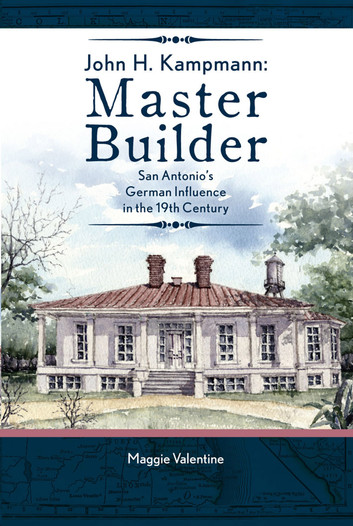
Description
John H. Kampmann, Master Builder: How One German Immigrant Transformed San Antonio
John H. Kampmann, Master Builder by Maggie Valentine, tells the remarkable story of architectural transformation. This book chronicles how one German immigrant changed San Antonio’s landscape forever. Furthermore, it explores the broader impact of German immigration on Texas. The narrative reveals how Kampmann turned a Spanish adobe village into a stone city.
From Germany to Texas: Kampmann’s Early Journey
John H. Kampmann arrived in America during the mid-19th century seeking opportunity. He was born in Germany in 1819 and trained as a skilled craftsman. Moreover, he brought valuable knowledge of stoneworking to his new homeland. His timing was perfect because San Antonio desperately needed his expertise.
The young immigrant quickly recognized San Antonio’s architectural potential. He saw beyond the simple adobe structures that dominated the landscape. Additionally, he understood how stone construction could transform the growing city. Therefore, he dedicated himself to bringing European building techniques to Texas.
Kampmann’s skills as a stonemason set him apart from other builders. He combined traditional German craftsmanship with practical American innovation. Furthermore, he adapted his techniques to local materials and climate conditions. This flexibility made him invaluable to San Antonio’s development and growth.
The Master Builder’s Architectural Legacy
John H. Kampmann, Master Builder, worked on San Antonio’s most important buildings. His career spanned more than thirty years of continuous construction and innovation. During this time, he profoundly shaped the city’s architectural character. Moreover, his influence extended far beyond individual building projects and structures.
Kampmann served multiple roles throughout his distinguished career in San Antonio:
- Craftsman: He personally worked with stone and supervised detailed construction work
- Builder: He managed large-scale construction projects from start to finish
- Contractor: He organized workers, materials, and timelines for complex projects
- Stonemason: He cut and shaped stone using traditional German techniques
- Designer: He created architectural plans and adapted European styles locally
- Civic Leader: He participated in community development and city planning
His buildings replaced fragile adobe structures with durable stone construction. This transformation completely and permanently changed San Antonio’s appearance and character. Additionally, his work demonstrated the superiority of stone for Texas’s climate. Therefore, other builders began following his example and adopting similar methods.
German Immigration’s Impact on San Antonio
Valentine’s book explores how German immigrants significantly shaped 19th-century San Antonio. Kampmann represented thousands of Germans who settled in Texas during this period. Furthermore, these immigrants brought valuable skills, knowledge, and cultural traditions. Their influence transformed the city’s architecture, economy, and social fabric.
German artisans introduced superior building techniques that revolutionized local construction practices. They also established businesses that strengthened San Antonio’s economy and commercial development. Moreover, they created cultural institutions that enriched community life for everyone. These contributions extended far beyond architecture into every aspect of city life.
The German community consistently valued education, craftsmanship, and civic responsibility highly. They built schools, churches, and public buildings that served entire communities. Additionally, they regularly promoted cultural events that brought diverse groups together. Therefore, their influence helped San Antonio develop into a sophisticated urban center.
Kampmann became a leader within both German and broader San Antonio communities. He bridged cultural divides and promoted cooperation among different ethnic groups. Furthermore, he demonstrated how immigrants could contribute positively to American society. His success inspired other Germans to pursue their own dreams boldly.
Transforming Adobe into Stone: The Physical Transformation
San Antonio began as a Spanish colonial settlement built primarily from adobe. These mud-brick structures deteriorated quickly in Texas’s harsh weather and climate. However, Kampmann introduced stone construction that could withstand the test of time and the elements. This shift represented a fundamental change in the city’s architectural approach.
Stone buildings offered numerous advantages over traditional adobe construction methods and materials. They resisted fire, floods, and structural decay far more effectively. Moreover, they projected permanence and prosperity, attracting new residents and businesses. Therefore, property owners increasingly requested stone construction for important buildings and structures.
Kampmann’s projects included commercial buildings, residences, and public structures throughout San Antonio. Each project demonstrated his commitment to quality craftsmanship and lasting construction. Additionally, his work set new standards that other builders struggled to match. His reputation for excellence brought him continuous work and growing influence.
The master builder also trained apprentices who carried forward his techniques. These younger craftsmen spread their methods throughout Texas and beyond state borders. Furthermore, they ensured that his influence would continue after his death. This legacy of craftsmanship benefited San Antonio for generations to come.
Civic Leadership and Community Involvement
Beyond construction, Kampmann participated actively in San Antonio’s civic and political life. He understood that building a city required more than physical structures. Therefore, he involved himself in community planning and public decision-making processes. His leadership helped guide San Antonio’s development during critical periods of growth.
The builder served on various committees and boards that shaped city policy. He advocated for infrastructure improvements that benefited all residents equally and fairly. Moreover, he promoted education and cultural institutions that enriched community life. His vision extended beyond immediate profits to long-term community prosperity.
Kampmann’s success demonstrated the reality of the American dream for hardworking immigrants everywhere. He arrived with skills but little money or social connections initially. However, through dedication and excellence, he became one of San Antonio’s most influential citizens. His story inspired countless other immigrants to pursue their own ambitions.
The German immigrant also proudly maintained strong ties to his cultural heritage. He actively and generously supported German-language newspapers, social clubs, and cultural organizations. Additionally, he helped newly arrived Germans settle into their new homeland. This community support significantly strengthened the entire German population in San Antonio.
Valentine’s Research and Historical Documentation
Maggie Valentine conducted extensive research to document Kampmann’s life and career thoroughly. She carefully examined historical records, building documents, and contemporary newspaper accounts. Furthermore, she analyzed surviving structures to understand his construction techniques. This meticulous research brings Kampmann’s story to life for modern readers.
The book includes detailed information about specific buildings and construction projects. Valentine clearly describes Kampmann’s design choices and explains their historical significance. Moreover, she places his work within the broader context of American architecture. This approach helps readers appreciate his contributions more fully.
Valentine also explores the social and economic conditions that shaped Kampmann’s career. She examines how German immigration patterns affected San Antonio’s development. Additionally, she discusses the challenges immigrants faced in 19th-century Texas society. These contextual details enrich our understanding of Kampmann’s achievements and obstacles.
The author successfully makes architectural history accessible to general readers. She avoids technical jargon and explains concepts in clear, simple language. Therefore, readers don’t need architectural expertise to appreciate Kampmann’s story and legacy. This accessibility makes the book valuable for anyone interested in Texas history.
The Lasting Impact on Modern San Antonio
Many of Kampmann’s buildings still stand in San Antonio today as testaments. These structures continue serving their communities more than a century later. Furthermore, they remind residents of the city’s rich architectural heritage and history. Preservationists work diligently to maintain these important historical landmarks for future generations.
The master builder’s influence extends beyond the buildings he personally constructed. His standards and techniques influenced generations of Texas builders and architects. Moreover, his example demonstrated how quality craftsmanship creates lasting value and beauty. Therefore, his legacy continues to shape how people think about construction and architecture.
San Antonio’s German heritage remains visible throughout the city’s architecture and culture. The community Kampmann helped build maintained its distinct character for decades. Additionally, German contributions to Texas culture continue to be recognized and celebrated today. This ongoing appreciation honors the immigrants who built Texas into greatness.
John H. Kampmann, Master Builder, preserves an important chapter in Texas history. Valentine’s book ensures that Kampmann’s contributions won’t be forgotten or overlooked. Furthermore, it celebrates the immigrant experience and its positive impact on America. The story resonates with contemporary discussions about immigration and cultural diversity.
Key Lessons from Kampmann’s Life and Career
Kampmann’s story offers valuable lessons for readers today about success and contribution. His life demonstrates how skill, dedication, and vision create lasting impact. Moreover, it shows how immigrants enrich their adopted communities through hard work. These timeless principles remain relevant in our modern world and society.
Several important themes emerge from Kampmann’s remarkable life and career:
- Quality craftsmanship creates lasting value: His buildings survived because he built them well.
- Cultural heritage strengthens communities: German traditions enriched San Antonio for everyone.
- Immigrants contribute positively: Kampmann’s success benefited the entire city economically.
- Vision transforms possibilities: He saw potential where others saw only limitations.
- Leadership requires community involvement: Building cities demands more than construction skills.
- Education preserves knowledge: Training apprentices ensured his techniques survived him.
These lessons apply beyond architecture to many aspects of life and work. They remind us that excellence requires dedication, patience, and continuous learning. Additionally, they demonstrate how individual contributions create collective prosperity and progress. Therefore, Kampmann’s example remains inspiring and instructive for modern readers everywhere.
Conclusion: Remembering a Master Builder’s Legacy
Maggie Valentine’s book thoroughly celebrates John H. Kampmann’s extraordinary contributions to San Antonio. It documents how one German immigrant transformed a frontier town permanently. Furthermore, it illustrates the broader impact of German immigration on Texas. The narrative effectively combines architectural history with compelling human drama.
Kampmann’s 30-year career completely changed San Antonio’s physical landscape and cultural character. His stone buildings replaced adobe structures and established new construction standards. Moreover, his civic leadership helped guide the city through critical development periods. These contributions made him one of San Antonio’s most important historical figures.
The book also reminds us that immigrants have always strengthened American communities. Kampmann brought skills, knowledge, and dedication that benefited everyone in San Antonio. Additionally, he maintained his cultural heritage while embracing his new homeland. This balance enriched both the German community and the broader society.
Valentine’s research preserves Kampmann’s memory for future generations to discover and appreciate. Her accessible writing makes architectural history engaging for general readers. Therefore, the book serves both educational and inspirational purposes for diverse audiences. It stands as a fitting tribute to a master builder’s remarkable life.
Today, San Antonio’s stone buildings daily testify to Kampmann’s vision and craftsmanship. They remind residents of their city’s rich German heritage and immigrant history. Furthermore, they demonstrate how quality work creates value that transcends generations. John H. Kampmann’s legacy continues to inspire builders, immigrants, and dreamers everywhere.





Reviews
There are no reviews yet.