

Description
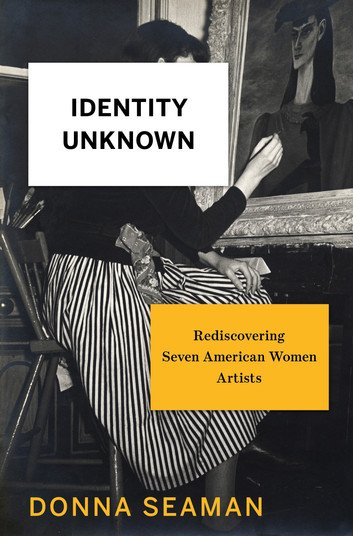
Identity Unknown: Rediscovering Seven American Women Artists by Donna Seaman
Introduction: Recovering Lost Voices in Art History
American women artists have been systematically erased from art history. Their paintings hang in storage rooms instead of galleries. Moreover, their names rarely appear in textbooks or museum exhibitions.
Donna Seaman’s “Identity Unknown” brings seven forgotten artists back into the light. These women created groundbreaking work during their lifetimes. However, history chose to forget their contributions and achievements.
This book reveals why talented artists disappeared from public memory. Furthermore, it examines how gender shaped their careers and legacies. Each chapter restores a voice that deserves recognition today.
The seven artists profiled created work across different styles and eras. They painted, sculpted, and innovated despite facing enormous obstacles. Yet their stories were buried beneath layers of neglect.
Why American Women Artists Were Forgotten
Art history has traditionally celebrated male creators almost exclusively. Museums collected their work while ignoring equally talented women. Additionally, critics dismissed female artists as hobbyists or amateurs.
Many women artists lacked access to formal training and education. Art academies refused to admit them for decades. Therefore, they learned through private lessons or taught themselves.
Marriage often ended a woman’s artistic career completely. Society expected wives to abandon professional ambitions entirely. In addition, motherhood made studio time nearly impossible to find.
Women who continued creating faced harsh criticism and ridicule. Their work was called “feminine” or “decorative” in dismissive ways. Moreover, galleries refused to represent them or show their pieces.
Financial independence remained difficult for most female artists to achieve. They couldn’t support themselves through art sales alone. Consequently, many took teaching jobs or relied on family support.
After death, their estates often scattered or destroyed their work. Families didn’t recognize the art’s historical or monetary value. Furthermore, museums showed little interest in acquiring their pieces.
The Seven Artists Donna Seaman Rediscovered
Seaman profiles seven remarkable women who deserve wider recognition today. Each artist brought unique vision and technical skill to her work. However, all seven share the experience of historical erasure.
The book examines their individual struggles and triumphs in detail. Seaman researched archives, letters, and surviving artworks extensively. Additionally, she interviewed descendants and scholars who studied these artists.
The Artists Featured Include:
- Painters who developed distinctive styles and techniques
- Sculptors who worked in innovative materials and forms
- Artists who challenged social conventions through their subjects
- Women who maintained careers despite marriage and motherhood
- Creators whose work influenced their contemporaries significantly
- Artists whose reputations faded after their deaths
- Women whose contributions are being reassessed by modern scholars
Each profile reveals a complex person behind the forgotten name. These weren’t simply victims of their era’s prejudices. Instead, they were determined professionals who fought for their art.
Artistic Achievements and Innovations
The women artists Seaman profiles created work of exceptional quality. Their technical skills matched or exceeded their male contemporaries. Moreover, they brought fresh perspectives to traditional subjects and genres.
Several artists developed signature styles that influenced other painters. They experimented with color, composition, and brushwork in original ways. However, credit for these innovations often went to male artists.
Some focused on subjects that male artists typically ignored or dismissed. They painted domestic scenes with psychological depth and complexity. Additionally, they portrayed women’s experiences with unprecedented honesty and insight.
Others worked in landscape painting and captured American scenery beautifully. Their canvases documented changing environments and disappearing wilderness areas. Furthermore, they brought emotional resonance to natural subjects.
Portrait painting allowed several artists to build successful professional practices. They captured their subjects’ personalities with remarkable sensitivity and skill. Yet their portraits are now attributed to “unknown” artists.
Sculptors among the seven worked in bronze, marble, and clay. They created public monuments and intimate figurative pieces alike. Nevertheless, their sculptures were later credited to male assistants.
The Research Process Behind the Book
Donna Seaman spent years tracking down information about these artists. She visited archives, libraries, and private collections across the country. Moreover, she examined auction records and gallery catalogs from past decades.
Many artists left few personal papers or correspondence behind. Their families hadn’t preserved letters, diaries, or business records carefully. Therefore, Seaman pieced together lives from fragmentary evidence and clues.
She studied the artworks themselves as primary historical documents. Paintings reveal technical training, artistic influences, and creative development. Additionally, they provide evidence of professional networks and exhibition histories.
Seaman interviewed art historians who had previously researched these women. She also spoke with descendants who possessed family stories. Furthermore, she consulted museum curators about works in their collections.
The research revealed patterns in how women artists were forgotten. Similar mechanisms erased different women across different time periods. However, each artist’s story also contained unique circumstances and challenges.
Themes of Gender and Recognition
Gender profoundly shaped every aspect of these artists’ careers and legacies. Women faced barriers that male artists never encountered or imagined. Moreover, their gender influenced how critics interpreted their work.
Society viewed artistic ambition in women as unfeminine or inappropriate. Families often discouraged daughters from pursuing professional art careers. In addition, husbands expected wives to prioritize domestic duties always.
Critics applied different standards when evaluating work by female artists. They praised “delicacy” and “charm” while dismissing technical accomplishment. Furthermore, they attributed success to luck rather than skill.
Museums and collectors showed less interest in acquiring women’s artwork. They assumed female artists produced work of lesser historical importance. Consequently, fewer pieces entered permanent collections where they’d be preserved.
Art historical narratives excluded women from movements they helped create. Male artists received credit for innovations women had pioneered. However, recent scholarship is beginning to correct these historical distortions.
The book examines how gender bias operates in subtle ways. It’s not always overt discrimination or deliberate exclusion. Instead, it’s a pattern of small decisions that accumulate over time.
Rediscovery and Reassessment in Modern Times
Contemporary scholars are working to recover forgotten women artists systematically. They’re researching archives and reevaluating unsigned or misattributed works. Moreover, they’re organizing exhibitions that showcase these rediscovered talents.
Museums are beginning to acquire and display work by female artists. They’re also rewriting wall labels to include more complete histories. Additionally, they’re dedicating gallery space to previously overlooked creators.
The art market has started recognizing the value of these artists. Auction prices for their work have increased significantly in recent years. Furthermore, collectors are actively seeking pieces by rediscovered women artists.
Feminist art history has provided frameworks for understanding historical erasure. Scholars examine how gender shaped artistic production and reception. However, the work of recovery remains incomplete and ongoing.
Digital archives make research easier than ever before for scholars. Databases catalog artworks and track their provenance across time. In addition, online exhibitions reach audiences who can’t visit museums.
Social media helps spread awareness about forgotten artists to wider audiences. Art historians share discoveries and research findings with the public. Moreover, enthusiasts create content celebrating these rediscovered talents and achievements.
Why These Stories Matter Today
Understanding how women artists were erased illuminates ongoing gender inequities. The art world still struggles with representation and recognition issues. Therefore, historical examples provide context for contemporary challenges and debates.
These artists’ stories inspire current generations of female creators. They demonstrate that women have always made significant artistic contributions. Moreover, they show the importance of preserving and promoting women’s work.
Recovering lost artists enriches our understanding of art history completely. We gain a fuller picture of artistic movements and developments. Additionally, we discover influences and connections previously hidden from view.
The book challenges readers to question whose stories get told. It reveals how historical narratives are constructed and maintained selectively. Furthermore, it encourages critical thinking about authority and canon formation.
These seven artists produced work that deserves appreciation on its merits. Their paintings and sculptures reward close looking and serious study. However, they also represent countless other forgotten talents awaiting rediscovery.
Donna Seaman’s Approach and Writing Style
Seaman writes with clarity and passion about her subjects. She balances scholarly research with accessible prose for general readers. Moreover, she brings empathy and insight to each artist’s story.
The book combines biography with art historical analysis effectively. Seaman describes artworks in vivid, evocative language that helps readers visualize. Additionally, she contextualizes each artist within her historical moment and circumstances.
She avoids portraying these women as mere victims of circumstance. Instead, she emphasizes their agency, determination, and professional accomplishments. Furthermore, she celebrates their artistic achievements without sentimentality or exaggeration.
Seaman’s research is thorough and her arguments are well-supported. She cites sources carefully and acknowledges gaps in the record. However, she also draws reasonable inferences from available evidence.
The writing maintains momentum while covering complex historical and artistic territory. Each chapter can stand alone while contributing to larger themes. Moreover, the book rewards both casual reading and serious study.
Impact on Art History and Museum Practice
“Identity Unknown” contributes to ongoing efforts to diversify art history. It provides detailed case studies that support broader theoretical arguments. Moreover, it offers practical examples for museums reconsidering their collections.
The book has influenced how institutions approach attribution and provenance research. Museums are investigating unsigned works more carefully for possible female authorship. Additionally, they’re being more cautious about assuming male creators.
Art history courses are incorporating these artists into their syllabi. Students learn about women’s contributions alongside traditional canonical figures. Furthermore, they examine the mechanisms that create and maintain historical narratives.
The book has sparked interest in other forgotten or marginalized artists. Scholars are applying similar research methods to other overlooked populations. However, much work remains to create truly inclusive art histories.
Museums have organized exhibitions inspired by Seaman’s research and findings. They’re showcasing the seven artists and exploring similar themes. In addition, they’re acquiring works by these and other rediscovered creators.
Lessons for Contemporary Artists and Audiences
Contemporary women artists still face challenges their male counterparts don’t encounter. Gender bias persists in galleries, museums, and the art market. Therefore, historical examples remind us that progress requires constant vigilance.
The book encourages artists to document their work and lives carefully. Preserving records helps ensure future recognition and prevents historical erasure. Moreover, it provides material for scholars and biographers later.
Audiences learn to question whose work they see in museums. They become aware of curatorial choices and institutional biases. Additionally, they can advocate for more inclusive and representative exhibitions.
Collectors gain appreciation for undervalued artists whose work deserves attention. They can make informed decisions that support diverse artistic voices. Furthermore, they help create market demand that encourages institutional change.
The book demonstrates that artistic quality alone doesn’t guarantee historical recognition. Social factors, institutional practices, and cultural biases all play roles. However, dedicated research and advocacy can recover forgotten talents successfully.
Conclusion: Restoring American Women Artists to History
Donna Seaman’s “Identity Unknown” performs crucial work of historical recovery. It restores seven talented artists to their rightful place in history. Moreover, it illuminates the systemic forces that erased their contributions.
The book reminds us that history is not fixed or complete. New research constantly revises our understanding of the past. Furthermore, it shows that forgotten voices can still speak powerfully today.
These seven American women artists created work of lasting beauty and significance. They deserve recognition not as curiosities but as serious professionals. However, their rediscovery also represents countless others still waiting to be found.
The stories Seaman tells inspire continued efforts toward more inclusive histories. They challenge institutions to examine their practices and collections critically. Additionally, they encourage audiences to seek out overlooked and undervalued artists.
By reading “Identity Unknown,” we participate in the work of remembering. We honor these artists by learning their names and appreciating their work. Moreover, we commit to ensuring that future generations of women artists won’t face similar erasure from history’s record.






Reviews
There are no reviews yet.