

Description
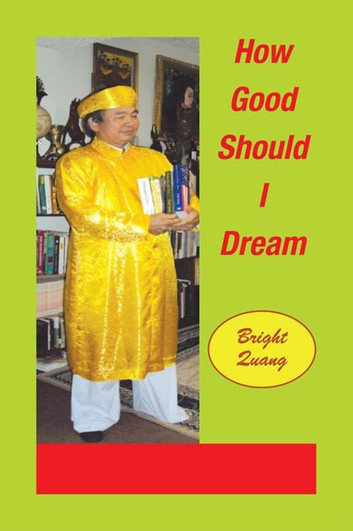
How Good Should I Dream: A Vietnamese-American Journey to Meaning
“How Good Should I Dream” by Bright Quang (ISBN: 9781483667416) presents a profound exploration of life’s deepest questions. This memoir invites readers into an intimate journey of self-discovery. Moreover, it challenges conventional thinking about happiness and purpose. The book examines what it means to dream authentically in a complex world.
Bright Quang’s personal narrative weaves together cultural identity and universal human experiences. His Vietnamese-American perspective offers unique insights into navigating two worlds. Furthermore, he addresses the tension between ambition and contentment. Readers discover how cultural heritage shapes our understanding of success.
The Foundation of Life’s Happiness
The author begins by questioning the very source of happiness itself. He examines whether joy comes from external achievements or internal peace. Additionally, Quang explores how childhood experiences shape our adult aspirations. His honest reflections reveal the complexity of finding genuine fulfillment.
Through vivid storytelling, readers witness pivotal moments that defined his path. These experiences range from immigrant struggles to personal triumphs. Consequently, the narrative becomes both specific and universally relatable. Each chapter builds upon fundamental questions about human existence.
Understanding the Source of Life
Quang delves deeply into philosophical territory throughout his memoir. He investigates what gives life meaning beyond material success. Moreover, he challenges readers to examine their own foundational beliefs. The book presents thought-provoking questions rather than simple answers.
The author’s exploration includes spiritual, emotional, and practical dimensions. He discusses how relationships contribute to our sense of purpose. Furthermore, he examines the role of creativity in human fulfillment. These themes interweave throughout the entire narrative structure.
How Good Should I Dream: Balancing Ambition and Reality
One central question dominates the book’s exploration: how ambitious should our dreams be? Quang examines the fine line between healthy aspiration and destructive fantasy. Indeed, he shares personal stories of dreams that inspired and others that disappointed. This balance becomes crucial for sustainable happiness.
The author presents a nuanced view of the American Dream concept. He contrasts it with traditional Vietnamese values about family and community. Therefore, readers gain perspective on cultural differences in defining success. This comparative approach enriches the book’s philosophical depth.
The Role of Sorrow in Personal Growth
Quang doesn’t shy away from discussing life’s inevitable sorrows and setbacks. He argues that pain serves as a teacher for those willing to learn. Moreover, he shares vulnerable moments of failure and disappointment. These honest admissions make his eventual insights more powerful and credible.
The memoir explores how suffering can refine our understanding of what matters. Quang describes specific losses that redirected his life’s trajectory. Additionally, he offers practical wisdom for processing grief and disappointment. His approach combines emotional honesty with actionable guidance.
Pursuing Dreams with Wisdom and Courage
“How Good Should I Dream” ultimately advocates for intentional, examined dreaming. Quang encourages readers to pursue aspirations aligned with their authentic values. However, he warns against chasing goals that society imposes upon us. This distinction becomes central to his message about meaningful living.
The book provides a framework for evaluating which dreams deserve our energy. Quang suggests specific questions readers should ask themselves regularly. Furthermore, he emphasizes the importance of flexibility as circumstances change. Dreams should evolve as we grow and learn.
Key Themes Explored Throughout the Memoir
The book addresses several interconnected themes that resonate across cultures:
- The immigrant experience and identity formation in America
- Balancing cultural heritage with contemporary American values
- Finding purpose beyond material success and social status
- The relationship between suffering and wisdom
- Authentic self-expression versus societal expectations
- Family obligations and individual aspirations
- Spiritual growth and practical living
Each theme receives thoughtful examination through personal anecdotes and reflection. Quang’s writing style remains accessible while addressing profound subjects. Moreover, he avoids academic jargon in favor of clear, relatable language.
The Vietnamese-American Perspective on Success
Quang’s cultural background provides distinctive insights into achievement and happiness. He describes growing up between two different value systems and worldviews. Consequently, he developed a unique ability to question assumptions from both cultures. This perspective helps readers examine their own unquestioned beliefs.
The author discusses how Vietnamese culture emphasizes collective well-being over individualism. He contrasts this with American emphasis on personal achievement and independence. Therefore, readers gain appreciation for different approaches to defining a good life. This cultural dialogue enriches the book’s philosophical exploration significantly.
Practical Wisdom for Modern Dreamers
Beyond philosophical reflection, the book offers concrete guidance for readers. Quang shares strategies he developed for pursuing meaningful goals effectively. Additionally, he provides tools for distinguishing authentic desires from external pressures. These practical elements make the memoir actionable rather than merely inspirational.
The author emphasizes the importance of regular self-reflection and honest assessment. He suggests specific practices for maintaining clarity about one’s true priorities. Furthermore, he discusses how to adjust dreams when circumstances change unexpectedly. This flexibility prevents the rigidity that often leads to disappointment.
How Good Should I Dream: Finding Your Personal Answer
Ultimately, Quang acknowledges that each person must answer this question individually. The book doesn’t prescribe a universal formula for dreaming or living. Instead, it provides frameworks and questions that facilitate personal discovery. Readers finish with tools for ongoing self-examination and growth.
The memoir’s power lies in its invitation to deep personal reflection. Quang models vulnerability and honesty that encourages readers to do likewise. Moreover, he demonstrates that questioning our dreams doesn’t diminish them. Indeed, examination often strengthens and clarifies our most important aspirations.
The Journey Toward Authentic Living
Quang’s narrative traces his evolution from unconscious striving to intentional living. He describes the process of shedding expectations that never truly belonged to him. Additionally, he shares the liberation that comes from embracing authentic desires. This transformation forms the memoir’s emotional and philosophical arc.
The author emphasizes that authentic living requires courage and continuous effort. He discusses obstacles that prevent people from pursuing their true dreams. Furthermore, he offers encouragement for those beginning their own journey toward authenticity. His message balances realism with hope throughout the entire book.
The Intersection of Happiness and Meaning
“How Good Should I Dream” explores whether happiness and meaning always align perfectly. Quang suggests that meaningful pursuits sometimes involve temporary discomfort or sacrifice. However, he distinguishes this from pointless suffering or misguided martyrdom. This nuanced view helps readers navigate complex life decisions.
The book examines how short-term pleasure differs from lasting fulfillment. Quang shares examples from his life illustrating this crucial distinction. Moreover, he provides guidance for making choices that honor long-term well-being. These insights prove particularly valuable in our instant-gratification culture.
Lessons from Failure and Disappointment
The memoir treats failure as an essential component of growth. Quang recounts specific dreams that didn’t materialize as he originally envisioned. Nevertheless, he demonstrates how these disappointments led to unexpected opportunities. His perspective reframes failure as redirection rather than ultimate defeat.
The author discusses the importance of resilience and adaptive thinking. He shares strategies for recovering from setbacks without losing hope entirely. Additionally, he emphasizes learning from mistakes rather than simply repeating them. This practical wisdom helps readers navigate their own inevitable disappointments.
Building a Life Worth Living
Quang’s ultimate message centers on intentional life construction rather than passive existence. He argues that we must actively design lives aligned with our values. Therefore, the book serves as both inspiration and practical guide. Readers gain both motivation and methodology for meaningful change.
The memoir concludes with reflections on what constitutes a life well-lived. Quang suggests that the quality of our relationships matters more than achievements. Furthermore, he emphasizes contribution to others as essential for deep satisfaction. These conclusions emerge naturally from his personal journey and cultural wisdom.
Why Read “How Good Should I Dream”
This memoir offers value to anyone questioning their life’s direction or purpose. Quang’s honest vulnerability creates connection with readers across different backgrounds. Moreover, his cross-cultural perspective provides fresh insights on universal human questions. The book combines memoir, philosophy, and practical guidance seamlessly.
Readers interested in personal development will find actionable wisdom throughout. Those exploring cultural identity will appreciate Quang’s nuanced treatment of immigrant experiences. Additionally, anyone feeling stuck or unfulfilled will discover tools for positive change. The book speaks to both heart and mind effectively.
Conclusion: Your Dreams Deserve Examination
“How Good Should I Dream” by Bright Quang (ISBN: 9781483667416) challenges readers to examine their aspirations critically. The memoir demonstrates that unexamined dreams can lead us away from fulfillment. Conversely, intentional dreaming aligned with authentic values creates meaningful lives. Quang’s journey from Vietnam to America provides the backdrop for universal insights.
The book’s greatest strength lies in its refusal to provide easy answers. Instead, Quang equips readers with questions and frameworks for personal discovery. His cultural perspective enriches the exploration of happiness, meaning, and purpose. Ultimately, the memoir serves as both mirror and map for readers’ journeys.
This Vietnamese-American creator has crafted a work that transcends cultural boundaries. His honest exploration of life’s fundamental questions resonates across diverse audiences. Moreover, his practical wisdom makes philosophical concepts accessible and actionable. “How Good Should I Dream” stands as an invitation to live more intentionally and authentically.




Reviews
There are no reviews yet.