

Description
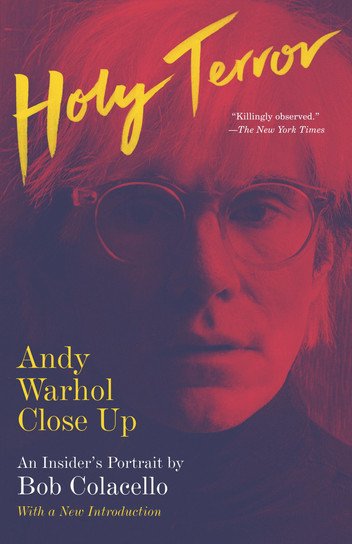
Holy Terror Andy Warhol Close Up: An Intimate Memoir of the Pop Art Icon
Introduction to Holy Terror Andy Warhol
Holy Terror Andy Warhol Close Up is a revealing memoir by Bob Colacello. Moreover, Colacello worked closely with Andy Warhol for over a decade. He served as editor of Interview magazine during the 1970s and early 1980s. Therefore, he witnessed Warhol’s life from an insider’s perspective. This book offers readers an unfiltered look at the legendary artist. Furthermore, it explores the man behind the iconic silver wig and dark sunglasses.
Bob Colacello takes readers deep into Warhol’s private world. And he does so with honesty and vivid detail. The memoir spans Warhol’s most influential years in New York City. Additionally, it captures the essence of an era that changed art forever.
The Author’s Unique Perspective
Colacello wasn’t just an employee of Warhol’s empire. Instead, he became part of Warhol’s inner circle. He attended exclusive parties and celebrity gatherings alongside the artist. Moreover, he observed Warhol’s creative process up close. This proximity gave Colacello rare insights into Warhol’s personality and methods.
The author spent countless hours with Warhol at the Factory. He also traveled with him to glamorous events worldwide. Therefore, his account carries the weight of firsthand experience. And his observations reveal truths that outsiders never saw.
Inside the Factory: Warhol’s Creative Hub
The Factory was Warhol’s legendary studio and social headquarters. It served as a magnet for artists, celebrities, and cultural rebels. Furthermore, it became the birthplace of groundbreaking pop art. Colacello describes the chaotic energy that filled this space daily.
Warhol transformed the Factory into more than just a workspace. Instead, it became a cultural phenomenon in its own right. The studio attracted musicians, actors, socialites, and underground figures. And each visitor added to the Factory’s mystique and creative output.
Holy Terror Andy Warhol reveals the Factory’s inner workings. Colacello shows how Warhol managed his team of assistants and collaborators. Moreover, he explains how the artist balanced commerce with creativity. The Factory operated like a business while producing revolutionary art.
Studio 54 and the Glamorous Nightlife Scene
The 1970s brought the rise of Studio 54. This legendary nightclub became Warhol’s second home. And Colacello accompanied him to countless nights of dancing and socializing. The club represented the peak of New York’s disco era.
Warhol used Studio 54 as a networking hub. He mingled with celebrities, politicians, and wealthy patrons there. Therefore, the nightclub became essential to his social strategy. And it helped him maintain his status as a cultural icon.
Colacello describes wild parties that lasted until dawn. He recounts encounters with famous faces from every industry. Moreover, he reveals how Warhol carefully cultivated these relationships. The artist understood that visibility meant relevance in the art world.
Warhol’s Complex Personality Revealed
Holy Terror Andy Warhol exposes the artist’s contradictory nature. Warhol appeared shy and withdrawn in many situations. Yet he craved attention and celebrity status at the same time. Furthermore, he could be both generous and calculating.
The artist rarely revealed his true feelings to anyone. Instead, he maintained a carefully constructed public persona. Colacello shows how Warhol used this mystery to his advantage. And he explains the loneliness that often accompanied Warhol’s fame.
Warhol was brilliant at understanding popular culture. He possessed an uncanny ability to predict trends before they emerged. Moreover, he knew how to transform everyday objects into art. His genius lay in seeing beauty where others saw only commerce.
The Controlling Side of Andy Warhol
Colacello doesn’t shy away from Warhol’s darker qualities. The artist could be manipulative and controlling with his associates. He often played people against each other for his own benefit. Therefore, working for Warhol required thick skin and patience.
Warhol closely monitored his employees’ activities. He wanted to know everything happening in his orbit. Furthermore, he used information as a form of power. And he rarely forgot slights or betrayals, real or imagined.
The artist’s need for control extended to his public image. He carefully managed what the press wrote about him. Moreover, he strategically cultivated relationships with journalists and critics. This control helped him maintain his position at the top of the art world.
Redefining Modern Art and Culture
Warhol changed how people viewed art forever. He blurred the lines between high art and commercial design. And he made everyday consumer products worthy of gallery walls. His Campbell’s Soup cans became as famous as classical paintings.
The artist challenged traditional notions of artistic authenticity. He embraced mechanical reproduction and mass production techniques. Therefore, he democratized art in revolutionary ways. And he proved that art could be both popular and profound.
Colacello explains how Warhol’s influence extended beyond visual art. The artist impacted fashion, music, film, and celebrity culture. Moreover, he pioneered the concept of the artist as brand. His legacy continues to shape contemporary culture today.
Celebrity Encounters and High Society
The memoir brims with stories of famous encounters. Colacello introduces readers to countless celebrities who orbited Warhol. These include:
- Mick Jagger and the Rolling Stones
- Liza Minnelli and Judy Garland
- Truman Capote and literary giants
- Jackie Kennedy and political figures
- Elizabeth Taylor and Hollywood royalty
- Bianca Jagger and fashion icons
Each celebrity interaction reveals something about Warhol’s social genius. He knew how to make powerful people feel special. And he understood the mutual benefits of these relationships. Therefore, his network grew exponentially throughout the 1970s.
The Business of Being Andy Warhol
Warhol treated his art career like a business enterprise. He understood that financial success validated artistic achievement. Moreover, he wasn’t ashamed to pursue wealthy clients and commissions. This approach scandalized some traditional art critics.
Colacello describes Warhol’s portrait business in detail. The artist charged enormous fees for commissioned portraits. And he cultivated relationships with society’s wealthiest members. These portraits funded his more experimental artistic projects.
The artist’s business acumen was as sharp as his creative vision. He invested wisely and saved money carefully. Furthermore, he built an empire that included magazines and films. His approach transformed how artists could sustain their careers.
Intimate Portraits and Personal Revelations
Holy Terror Andy Warhol offers deeply personal insights into the artist. Colacello reveals Warhol’s fears, insecurities, and private struggles. The artist worried constantly about aging and death. And he felt vulnerable despite his public confidence.
Warhol’s relationships were often complicated and unfulfilling. He struggled to form genuine emotional connections with others. Moreover, his fame created barriers to authentic intimacy. Therefore, he often felt isolated even in crowded rooms.
The memoir also shows Warhol’s softer side. He could be kind and supportive to young artists. And he genuinely appreciated talent when he encountered it. Furthermore, he maintained loyalty to certain friends throughout his life.
The Dark Side of Fame and Success
Success brought Warhol immense pressure and stress. He faced constant demands from collectors, galleries, and the media. Moreover, he dealt with jealousy and criticism from rivals. The art world could be cruel and unforgiving.
Colacello describes the toll that fame took on Warhol’s health. The artist suffered from various physical ailments throughout his life. And he lived with the trauma of being shot in 1968. This attack left permanent physical and psychological scars.
The memoir doesn’t romanticize the glamorous lifestyle it depicts. Instead, it shows the emptiness that often accompanies excess. And it reveals how superficial relationships dominated Warhol’s social world. Therefore, readers see both the glitter and the darkness.
Warhol’s Influence on Contemporary Culture
The artist’s impact extends far beyond his lifetime. He predicted the rise of reality television and social media. Moreover, he understood that everyone would eventually seek fame. His famous quote about “15 minutes of fame” proved prophetic.
Warhol pioneered the concept of the celebrity artist. He showed that artists could be as famous as movie stars. Furthermore, he demonstrated that self-promotion was a legitimate artistic tool. Today’s artists still follow the path he blazed.
Colacello explains how Warhol’s aesthetic continues to influence design. His bold colors and repetitive patterns remain instantly recognizable. And his approach to portraiture changed photography and illustration forever. Therefore, his visual language became universal.
The End of an Era
The memoir covers Warhol’s life until the mid-1980s. It captures a specific moment in cultural history. Moreover, it documents the transition from 1960s counterculture to 1980s excess. And it shows how Warhol adapted to each new decade.
Colacello eventually left Warhol’s employment to pursue other opportunities. However, their relationship remained complex even after his departure. The author brings both affection and critical distance to his subject. Therefore, his portrait feels balanced and honest.
Why This Book Matters Today
Holy Terror Andy Warhol remains essential reading for art enthusiasts. It provides context for understanding Warhol’s enduring influence. Moreover, it offers lessons about creativity, ambition, and fame. And it captures a unique moment in American cultural history.
The book appeals to readers beyond the art world. It’s a fascinating study of human nature and ambition. Furthermore, it’s a vivid portrait of New York City’s golden age. Therefore, it attracts diverse audiences with varied interests.
Colacello’s writing style makes complex subjects accessible to everyone. He avoids academic jargon and pretentious language. Instead, he tells stories that engage and entertain readers. And he brings Warhol’s world to life with vivid details.
Key Takeaways from the Memoir
Readers will learn several important lessons from this book:
- Artistic genius often comes with personal complexity.
- Success requires both talent and strategic networking.
- Fame can be isolating despite constant attention.
- Business skills matter as much as creative vision.
- Cultural influence extends beyond immediate artistic output.
- Personal relationships suffer under the pressure of celebrity.
- Authenticity and performance can coexist in public life.
These insights apply beyond the art world. They speak to universal human experiences and challenges. Therefore, the book offers wisdom for anyone pursuing creative careers.
Final Thoughts on Holy Terror
Bob Colacello created an invaluable historical document with this memoir. He preserved memories of a transformative cultural period. Moreover, he provided future generations with intimate access to Warhol’s world. And he did so with honesty, humor, and insight.
The book doesn’t present Warhol as a saint or villain. Instead, it shows him as a complex, flawed, brilliant human being. Furthermore, it acknowledges both his contributions and his shortcomings. This balanced approach makes the portrait more credible and compelling.
Holy Terror Andy Warhol Close Up stands as essential reading. It illuminates one of the twentieth century’s most influential artists. And it offers readers an unforgettable journey through art, fame, and ambition. Therefore, it deserves its place among the great artistic memoirs.




Reviews
There are no reviews yet.