

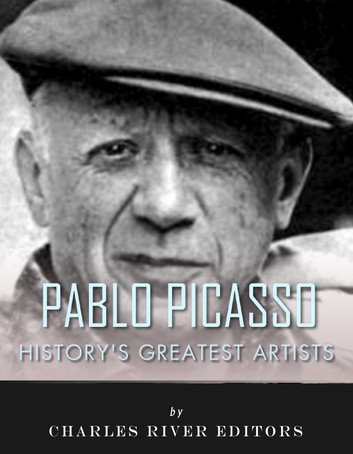
Description
Pablo Picasso: The Revolutionary Artist Who Changed Modern Art Forever
Pablo Picasso stands as one of history’s most influential artists. His revolutionary vision transformed the art world. Moreover, his legacy continues to inspire creators today. This comprehensive biography explores his extraordinary life and enduring impact. Furthermore, it reveals the genius behind the masterpieces.
The Early Years of Pablo Picasso’s Artistic Journey
Pablo Picasso was born in 1881 in Málaga, Spain. His father was an art teacher and painter. Consequently, young Pablo showed remarkable talent from childhood. He could draw before he could speak. Additionally, his skills surpassed those of adult artists by age thirteen.
The family moved to Barcelona when Pablo was a teenager. There, he attended the prestigious La Llotja art school. However, he quickly outgrew traditional academic training. Therefore, he began exploring his own artistic vision. His early works showed technical mastery and emotional depth.
Picasso’s Blue Period: Art Born from Sorrow
The Blue Period began in 1901 after a personal tragedy. Picasso’s close friend Carlos Casagemas committed suicide. This loss deeply affected the young artist. Consequently, his paintings took on melancholic blue tones. Moreover, his subjects reflected poverty, isolation, and despair.
During this time, Picasso created haunting portraits and scenes. His work depicted beggars, prostitutes, and outcasts. The monochromatic palette emphasized their suffering. Furthermore, the elongated figures showed El Greco’s influence. These paintings remain among his most emotionally powerful works.
The Rose Period and Artistic Transformation
By 1904, Picasso’s mood and palette shifted dramatically. He moved to Paris and fell in love. Therefore, warmer colors entered his work. Pink and orange tones replaced the somber blues. Additionally, his subjects became more optimistic and lively.
Circus performers and harlequins dominated this period. These figures represented freedom and artistic expression. Moreover, Picasso identified with their outsider status. The paintings showed greater technical experimentation. Furthermore, they bridged his early work and revolutionary innovations ahead.
Pablo Picasso and the Birth of Cubism
Cubism emerged around 1907 as Picasso’s most radical innovation. He collaborated with Georges Braque on this revolutionary style. Together, they shattered traditional perspective and representation. Consequently, they changed art history forever. Objects appeared from multiple viewpoints simultaneously.
“Les Demoiselles d’Avignon” marked the beginning of this movement. The painting shocked viewers with its fragmented forms. Moreover, it incorporated African mask influences. Traditional beauty standards were completely abandoned. Furthermore, the work challenged every convention of Western art.
Cubism evolved through several phases over the following years. Analytical Cubism broke objects into geometric fragments. Later, Synthetic Cubism introduced collage and mixed media. Additionally, bright colors returned to Picasso’s palette. These innovations influenced countless artists and movements thereafter.
Famous Masterpieces and Iconic Works
Picasso created thousands of artworks throughout his prolific career. However, certain pieces stand out as cultural landmarks. “Guernica” remains his most politically powerful work. The massive painting depicts the Spanish Civil War’s horrors. Moreover, it serves as an eternal anti-war statement.
Other notable works include:
- “The Old Guitarist” – A haunting Blue Period masterpiece
- “Les Demoiselles d’Avignon” – The proto-Cubist breakthrough painting
- “The Weeping Woman” – An emotional portrait of wartime suffering
- “Girl Before a Mirror” – A colorful exploration of identity
- “The Three Musicians” – A Synthetic Cubism triumph
Each piece demonstrates Picasso’s incredible range and innovation. Furthermore, they showcase his ability to reinvent himself constantly. His sculptures and ceramics also achieved remarkable acclaim.
The Personal Life Behind the Genius
Picasso’s personal relationships were complex and often controversial. He married twice and had numerous affairs. His romantic partners frequently appeared in his artwork. However, many relationships ended badly and caused pain. Additionally, critics have examined his treatment of women extensively.
His children came from different relationships throughout his life. Picasso had four children with three different women. Moreover, family dynamics were often strained and complicated. Despite this, his personal experiences fueled his creativity. Furthermore, his emotional intensity translated directly into his art.
The artist maintained a tireless work ethic throughout his life. He created art almost every single day. Additionally, he worked in multiple mediums simultaneously. Painting, sculpture, ceramics, and printmaking all received his attention. Therefore, his output was staggering in both quantity and quality.
Picasso’s Lasting Legacy and Influence on Modern Art
Pablo Picasso died in 1973 at age ninety-one. However, his influence on art remains immeasurable and profound. He fundamentally changed how artists approach their craft. Moreover, he proved that constant reinvention was possible. His courage to experiment inspired generations of creators.
Modern and contemporary art owes an enormous debt to Picasso. Cubism opened doors for abstract expressionism and beyond. Additionally, his multimedia approach encouraged artistic boundary-breaking. Museums worldwide dedicate entire galleries to his work. Furthermore, his paintings command record-breaking prices at auction.
Beyond the art world, Picasso became a cultural icon. His name symbolizes creative genius and innovation. Moreover, his distinctive style remains instantly recognizable globally. He demonstrated that artists could be celebrities and intellectuals. Therefore, he changed the artist’s role in society forever.
Why This Biography Matters for Art Enthusiasts
“History’s Greatest Artists: The Life and Legacy of Pablo Picasso” offers comprehensive insight. Charles River Editors presents accessible yet thorough coverage. The book examines both artistic achievements and personal complexities. Moreover, it contextualizes Picasso within broader art history movements.
Readers gain understanding of his revolutionary techniques and innovations. The biography explores each major period in detail. Additionally, it analyzes his most famous and influential works. Personal anecdotes reveal the man behind the masterpieces. Furthermore, the book assesses his enduring cultural impact.
This accessible format suits both casual readers and serious students. Complex artistic concepts are explained in clear language. However, the depth of research satisfies demanding art historians. Therefore, it serves as an ideal introduction to Picasso’s world.
Conclusion: Understanding the Artist Who Defined Modern Creativity
Pablo Picasso’s life story reads like an artistic revolution. He challenged every convention and created entirely new possibilities. His journey from child prodigy to cultural icon inspires us. Moreover, his willingness to constantly evolve offers valuable lessons. Art, he proved, requires courage and relentless experimentation.
This biography by Charles River Editors captures that revolutionary spirit. It presents Picasso’s complexity without oversimplification or hero worship. Readers discover both his genius and his flaws. Additionally, they understand why his work remains vitally relevant today. The book serves as an essential guide to understanding modern art’s foundations.
Whether you’re an art student or curious enthusiast, this book delivers. It illuminates how one man changed visual culture forever. Furthermore, it demonstrates art’s power to challenge, provoke, and transform. Picasso’s legacy reminds us that creativity knows no boundaries. Therefore, his story continues to inspire and educate new generations.




Reviews
There are no reviews yet.