

Description
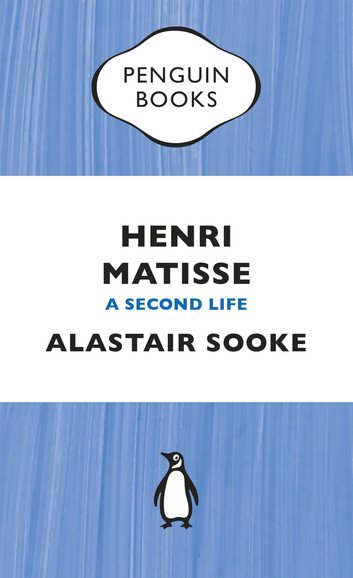
Henri Matisse: A Second Life: A Comprehensive Synopsis
Introduction to Matisse’s Artistic Rebirth
Alastair Sooke’s “Henri Matisse: A Second Life” explores the revolutionary final decade of the legendary French artist. Moreover, this compelling biography examines how Matisse transformed physical limitation into artistic liberation. Matisse’s second life began when illness confined him to a wheelchair in his seventies. However, this setback sparked an unprecedented creative renaissance. Furthermore, Sooke reveals how cut-out techniques forever redefined modern art.
The book chronicles Matisse’s journey from 1941 until he died in 1954. Additionally, it demonstrates why this period was his most influential. Therefore, readers discover both intimate biography and expert art analysis throughout.
The Birth of the Cut-Outs
Matisse’s second life emerged from a combination of necessity and innovation. Cancer surgery in 1941 left him unable to paint standing at an easel. Consequently, he developed a revolutionary new technique using scissors and paper. Moreover, he called this method “drawing with scissors” or “painting with scissors.”
The cut-out process involved several key steps:
- Assistants painted large sheets of paper in vibrant gouache colors.
- Matisse cut shapes directly from these colored sheets with scissors.
- He arranged and rearranged the pieces on the walls and floors.
- Assistants pinned the final compositions according to his precise directions.
Furthermore, this technique allowed unprecedented freedom and spontaneity. Therefore, Matisse created some of his most joyful and dynamic works.
Why Matisse Called It His Second Life
The artist himself described this period as his “second life” for profound reasons. Additionally, the cut-outs represented a complete artistic transformation rather than mere adaptation. Moreover, he felt liberated from traditional painting constraints and conventions.
Sooke explains how Matisse achieved new levels of integration between color and form. Furthermore, the cut-outs synthesized his lifetime of artistic exploration into pure expression. Consequently, works like “The Snail” and “Blue Nude” became modernist masterpieces.
This period also brought Matisse international recognition and commercial success. However, more importantly, it fulfilled his lifelong quest for essential artistic truth.
Masterworks of the Final Decade
Matisse’s second life produced several groundbreaking projects that changed the course of art history. Additionally, Sooke provides a detailed analysis of the artist’s most significant late works. Moreover, he contextualizes these pieces within broader modernist movements and developments.
The Vence Chapel stands as Matisse’s ultimate gesamtkunstwerk or total artwork. Furthermore, he designed every element, including windows, vestments, and architectural details. Therefore, this project fully synthesized his spiritual and artistic visions.
“Jazz,” published in 1947, showcased twenty vibrant cut-out prints with handwritten text. Moreover, this portfolio demonstrated the technique’s expressive potential and commercial viability. Consequently, it influenced countless artists and designers in subsequent decades.
Sooke’s Approach: Biography Meets Art Criticism
Alastair Sooke combines rigorous scholarship with accessible storytelling throughout this compelling narrative. Additionally, he draws on extensive archival research and contemporary accounts. Moreover, he interviews art historians and thoroughly examines Matisse’s personal correspondence.
The book serves dual purposes effectively:
- It provides intimate biographical details about Matisse’s final years.
- It offers expert analysis of his revolutionary cut-out technique.
- It contextualizes his work within art history and modernist movements.
- It explains technical processes in clear, understandable language.
Furthermore, Sooke challenges previous dismissals of late Matisse as merely decorative. Therefore, he establishes these works as serious artistic achievements deserving critical attention.
The Legacy of Matisse’s Second Life
Matisse’s second life fundamentally altered the trajectory and possibilities of twentieth-century art. Moreover, his cut-outs influenced abstract expressionism, pop art, and contemporary design. Additionally, artists from Ellsworth Kelly to David Hockney acknowledge his profound influence.
Sooke demonstrates how Matisse’s late work anticipated postmodern artistic concerns. Furthermore, the cut-outs questioned traditional distinctions between fine and decorative art. Consequently, they opened new possibilities for artists worldwide in subsequent generations.
The technique’s accessibility also democratized artistic creation in unexpected ways. Moreover, it proved that physical limitations need not constrain creative vision or output.
Conclusion: A Testament to Creative Resilience
“Henri Matisse: A Second Life” ultimately celebrates the indomitable spirit and power of human creativity. Additionally, Sooke’s biography inspires readers while educating them about modernist art history. Moreover, it demonstrates how adversity can catalyze rather than diminish artistic achievement.
The book reveals Matisse’s final decade as his most innovative and joyful period. Furthermore, it establishes the cut-outs as masterworks equal to his earlier paintings. Therefore, this essential biography reshapes our understanding of Matisse’s complete artistic legacy.
Sooke’s accessible prose makes complex art history engaging for general readers. Moreover, his thorough research satisfies scholars and specialists seeking a deeper understanding. Consequently, this book serves as the definitive account of Matisse’s extraordinary final chapter.


Reviews
There are no reviews yet.